Description
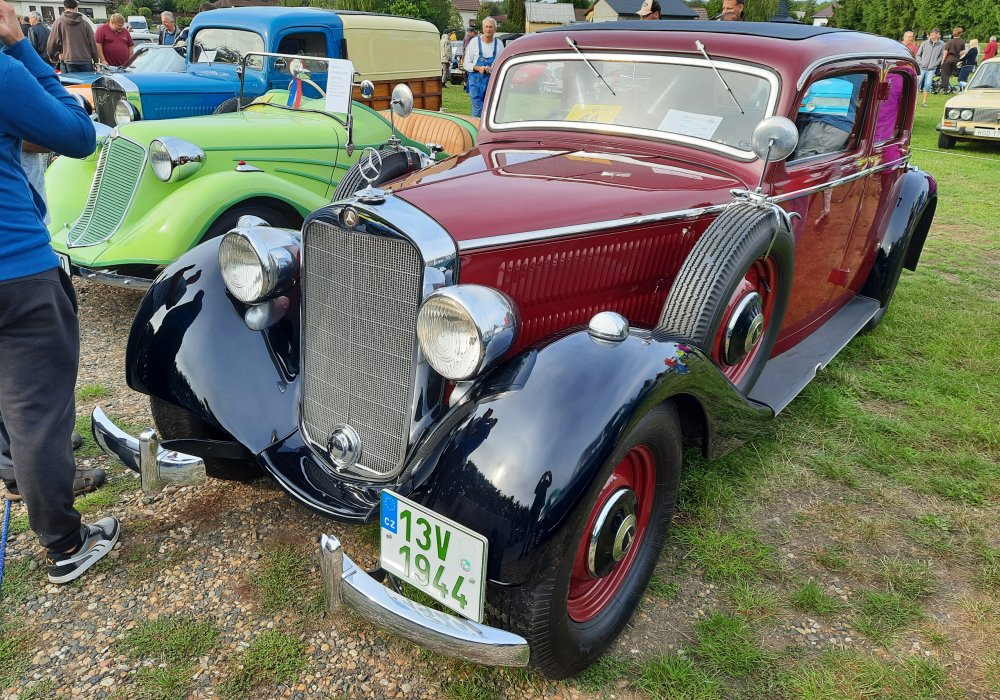
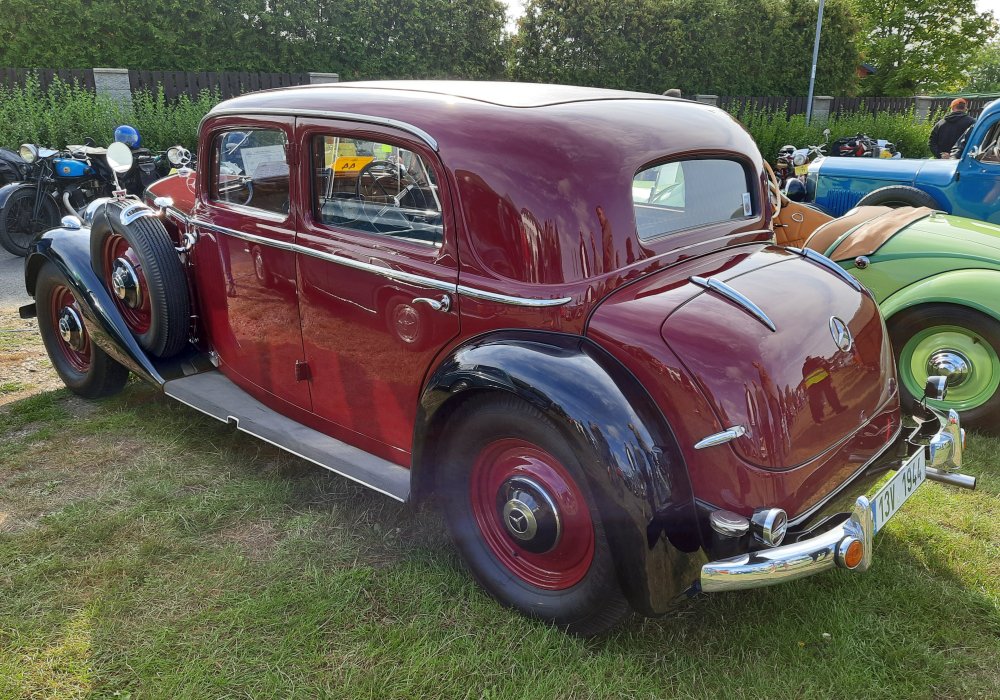
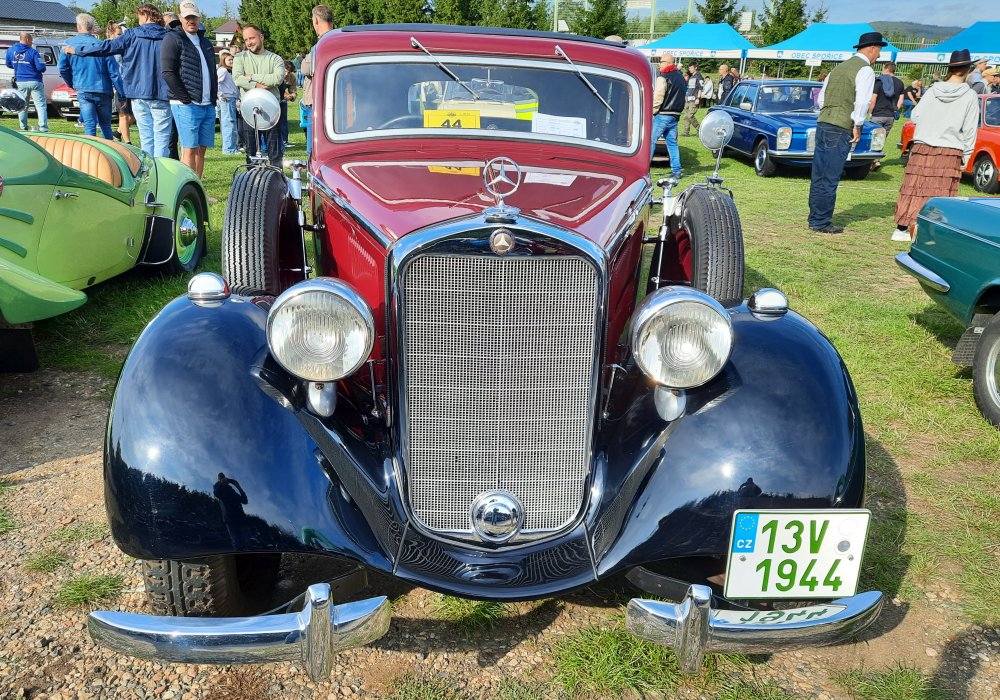
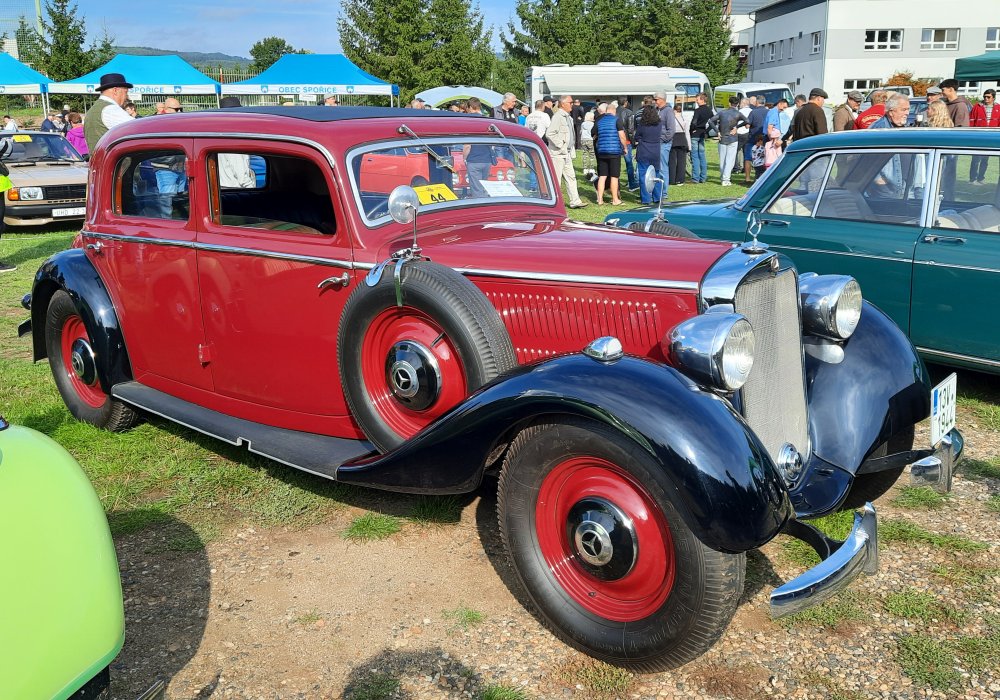
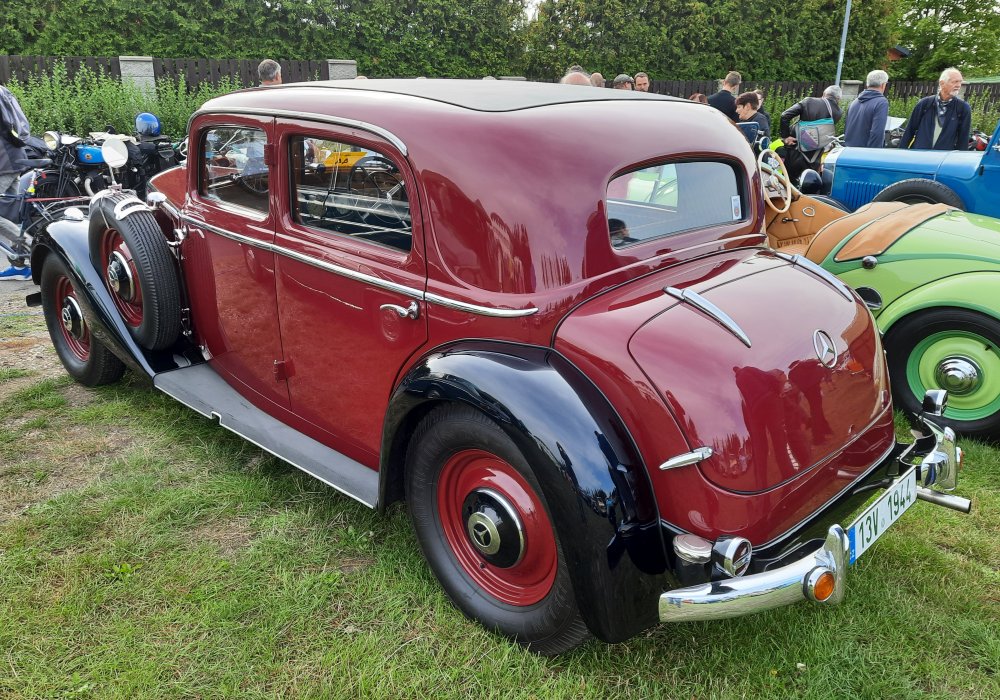
The Mercedes-Benz 230 N Limousine was the standard four-door saloon version of the early W143 series, introduced in 1937 as part of Mercedes-Benz’s second-generation mid-size six-cylinder range. The letter N denoted the Normal wheelbase model, distinguishing it from the longer Lang version that followed. Compact yet refined, the 230 N Limousine offered a balance of practicality, comfort and understated elegance, appealing to private motorists, professionals and small businesses that wanted the smoothness of a six-cylinder Mercedes in a manageable, affordable package. It became the backbone of the early W143 lineup before production shifted predominantly to the long-wheelbase cars.
Power came from the 2.3-litre inline-six engine, producing around 55 horsepower. For a mid-size saloon of the late 1930s, this was ample, giving the car relaxed acceleration and a steady cruising ability matched by impressive refinement. The engine was known for its quietness, flexible torque delivery and long-term reliability, earning it a strong reputation among owners who valued smooth, dependable touring rather than outright performance. The four-speed manual gearbox, equipped with synchromesh on the upper gears, contributed to the car’s ease of use and civilised driving manners.
The normal-wheelbase chassis gave the 230 N Limousine compact, well-balanced proportions. Using a strong ladder-frame construction, it provided stability and rigidity while remaining light enough to preserve agility in urban driving. The independent front suspension with a transverse leaf spring allowed the car to ride far more smoothly than many contemporaries, while the swing-axle rear suspension with coil springs delivered a combination of comfort and predictable handling at typical road speeds. Mechanical drum brakes on all four wheels provided reliable stopping power and were well suited to the car’s touring character.
The bodywork, crafted by Mercedes’ Sindelfingen coachworks, reflected the restrained yet confident style of late-1930s Mercedes saloons. The 230 N Limousine featured a tall, upright radiator grille flanked by sweeping front wings, a well-proportioned four-door cabin and a subtly curved rear section that completed its aerodynamic profile. While less formal than the long-wheelbase versions, it carried the same sense of craftsmanship and dignity. The doors were wide and practical, providing easy access for passengers, and the overall silhouette conveyed a sense of stability and composure on the road.
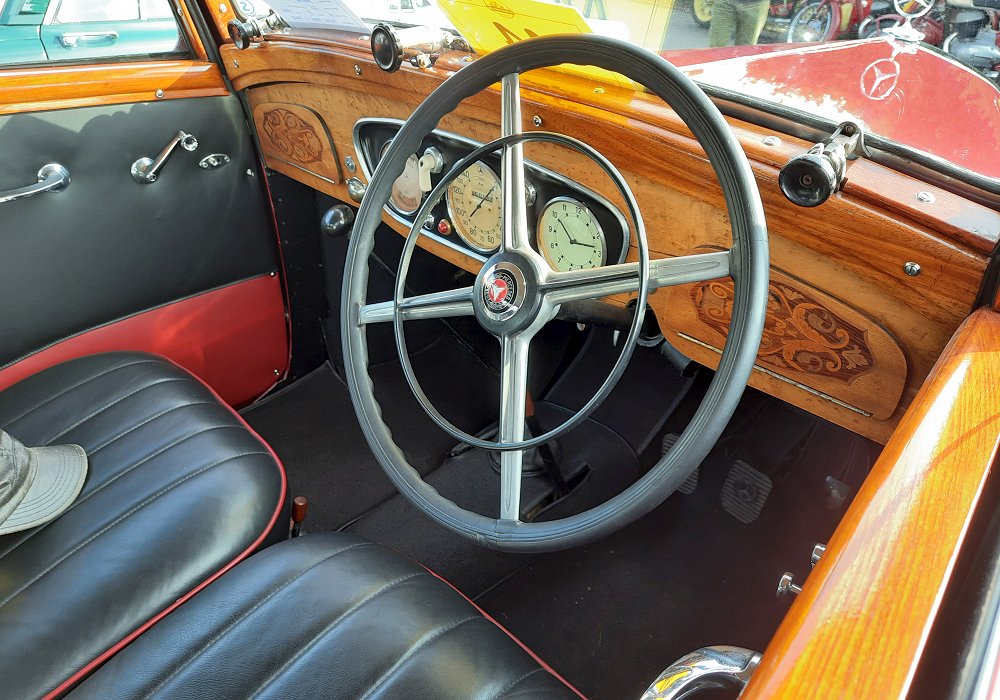
Inside, the Limousine offered a comfortable and carefully finished cabin for four or five passengers. Upholstery materials ranged from durable cloth for commercial or budget-focused buyers to more refined trims for private owners. The dashboard featured clear, neatly arranged instruments and polished wood or painted metal trim depending on specification. The cabin design emphasised durability, clarity and ease of maintenance while retaining Mercedes’ characteristic sense of quality. Though less spacious than the long-wheelbase version, the interior still provided ample legroom and headroom for everyday use.
On the road, the 230 N Limousine delivered an experience defined by smoothness and quiet mechanical operation. The six-cylinder engine pulled strongly from low speeds, the suspension absorbed rough surfaces with ease and the compact wheelbase gave the car a nimble, controlled feel in city traffic. It excelled as a family saloon, a business vehicle or a personal touring car. Its balance of refinement and practicality made it a popular choice among drivers who wanted a Mercedes with the prestige and comfort of six-cylinder power but without the size or formality of the larger models.
The 230 N Limousine played an important transitional role in the W143 series. It represented the final evolution of Mercedes’ short-wheelbase mid-size models before the company moved almost entirely to longer-wheelbase designs that offered greater interior space. As buyers favoured the extra comfort of the Lang versions, the normal-wheelbase 230 became relatively rare, with fewer surviving examples today.
In modern times, the Mercedes-Benz 230 N Limousine is appreciated for its understated elegance, compact proportions and superb mechanical refinement. It embodies the essence of pre-war Mercedes engineering: smooth six-cylinder power, high build quality and timeless saloon design. Collectors value the model for its rarity and its authentic representation of Mercedes-Benz’s transition from early 1930s designs to the more sophisticated saloons that followed.