Description
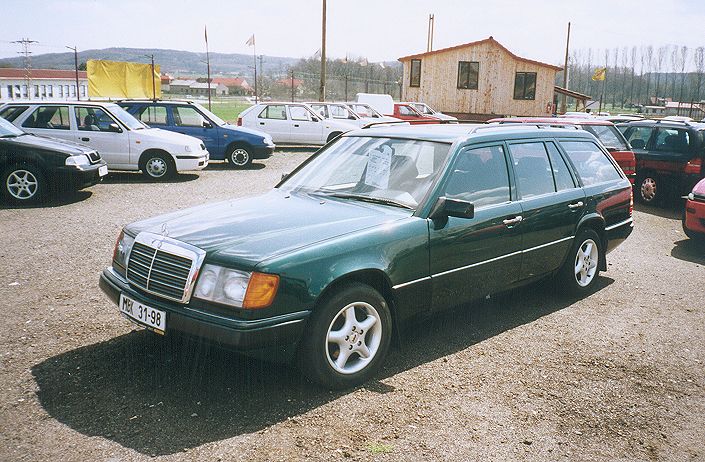
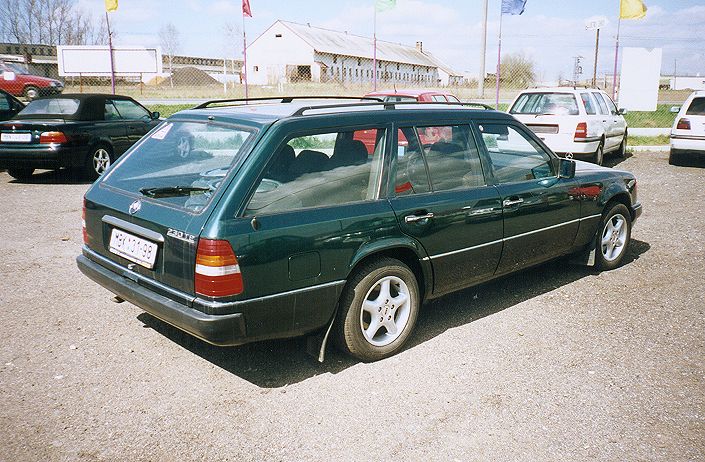
The Mercedes-Benz 230 TE was a petrol-powered estate version of the W123 range and offered a balanced combination of practicality, comfort and mechanical simplicity. Positioned below the six-cylinder estates, it appealed to buyers who wanted the versatility of the T-Modell body with lower running costs and a more straightforward drivetrain, while still benefiting from the exceptional build quality and engineering depth that defined the W123 series.
Power came from a 2.3-litre inline four-cylinder petrol engine, producing approximately 109 horsepower. This engine provided noticeably better performance than the smaller 200, making the 230 TE more relaxed in everyday driving and better suited to motorway use. Acceleration was steady rather than quick, but the engine delivered smooth, predictable power and was well matched to the car’s role as a practical family or professional vehicle. A four-speed manual gearbox was standard, with an automatic transmission available for buyers who preferred a more relaxed driving experience.
As with all W123 estates, the 230 TE featured estate-specific chassis engineering. In addition to the standard W123 suspension layout of double wishbones at the front and a semi-trailing arm rear axle, the T-Modell was equipped with hydropneumatic self-levelling rear suspension as standard. This system automatically maintained correct ride height regardless of load, ensuring consistent handling, braking and ride comfort whether the car was lightly used or fully laden. Disc brakes at all four wheels provided reliable stopping power appropriate to the car’s weight and capability.
Styling followed the clean, functional design language of the W123 range. The long roofline, large glass area and near-vertical tailgate maximised interior space and practicality, while restrained chrome detailing preserved a professional and understated appearance. The 230 TE looked purposeful rather than luxurious, reinforcing its reputation as a durable, hard-working estate rather than a lifestyle vehicle.
Inside, the cabin was spacious, practical and built to withstand heavy use. Seats were firm and supportive, designed for long journeys, and interior materials were chosen for durability rather than visual flair. The rear load area was wide, flat and easy to access, making the car suitable for family duties, professional use or extended travel. With the rear seats folded, the 230 TE offered impressive cargo capacity while retaining the comfort and refinement of a well-engineered saloon.
On the road, the Mercedes-Benz 230 TE delivered a calm and reassuring driving experience. The four-cylinder petrol engine encouraged smooth, unhurried driving, while the self-levelling suspension ensured stability even when carrying heavy loads. Steering was accurate and predictable, and the car felt particularly well suited to long-distance cruising rather than enthusiastic driving.
The 230 TE appealed to buyers who needed space and versatility but did not require the performance or fuel consumption of the six-cylinder estates. It was popular with families, professionals and small business owners who valued reliability, comfort and long-term ownership. Many examples covered very high mileages with routine maintenance, reinforcing the W123’s reputation for longevity.
Today, the Mercedes-Benz 230 TE is appreciated as a practical and well-balanced classic estate. Valued for its mechanical simplicity, robust construction and everyday usability, it represents a period when estate cars were engineered to work hard for decades rather than serve as lifestyle accessories. As part of the W123 lineage, the 230 TE remains a respected and increasingly rare example of Mercedes-Benz’s durability-focused design philosophy.