
Description
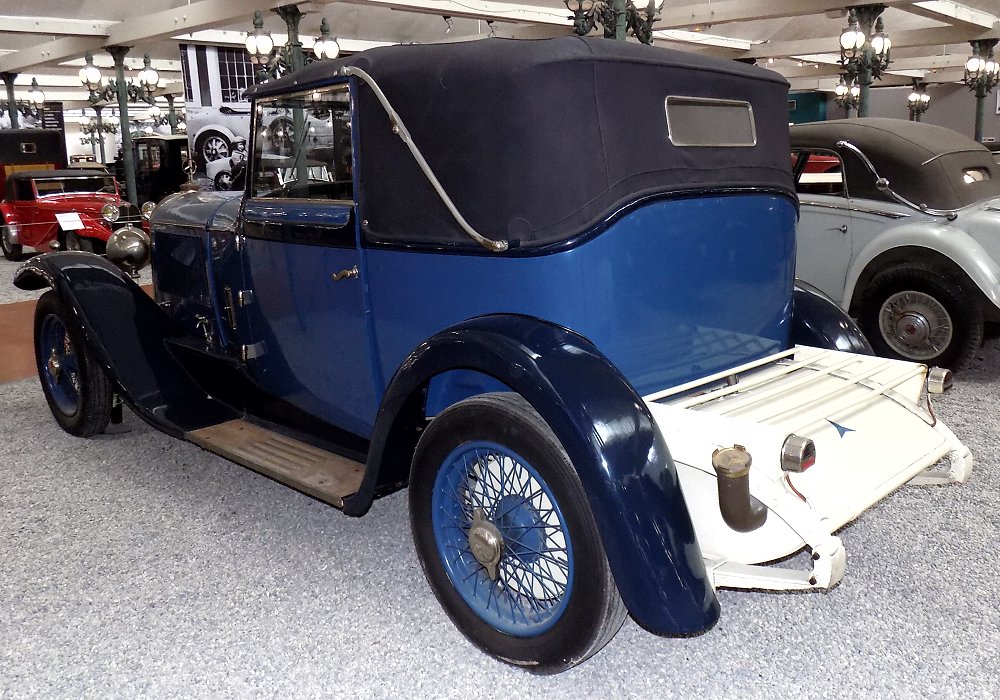
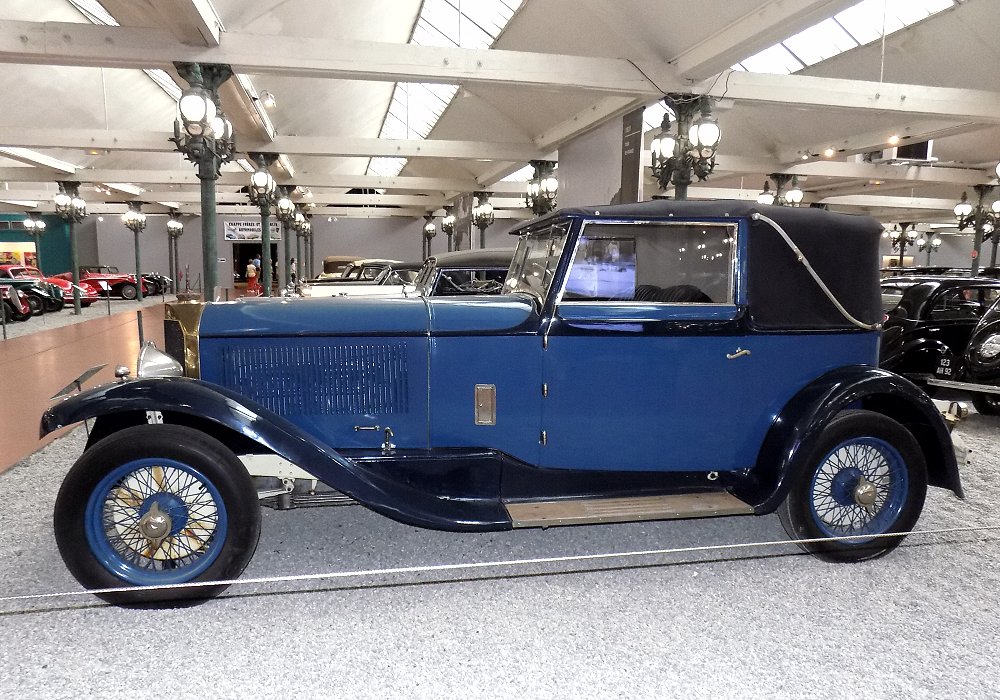
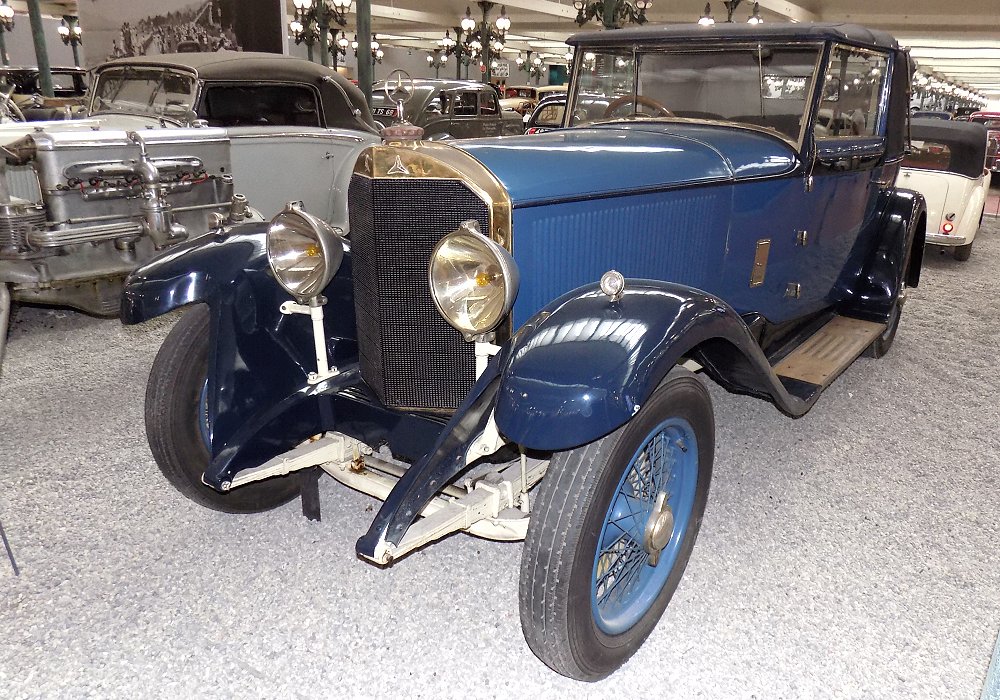
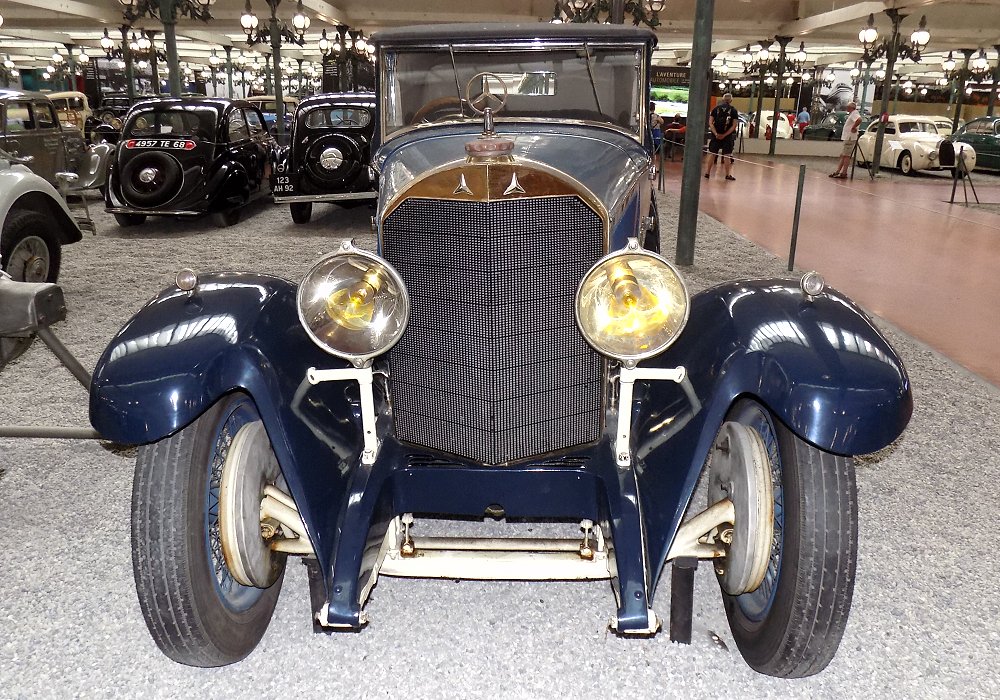
The Mercedes-Benz 24/100/140 PS Type 630 Cabriolet was among the most luxurious and impressive open-body variants built on Mercedes’ early supercharged 630 chassis, combining the power and engineering sophistication of the 24/100/140 PS series with the comfort, presence and elegance expected from a top-tier grand touring automobile of the mid-1920s. Where the lighter Roadster emphasised sporting character, the Cabriolet blended performance with refinement, offering enclosed comfort and graceful coachbuilt styling atop one of the most advanced German chassis of its era.
The model was powered by the same 6.3-litre inline-six engine used throughout the 24/100/140 PS and early 630 range, equipped with Mercedes’ pioneering Kompressor system. In normal running the engine produced around 100 horsepower, while activation of the mechanical supercharger—forcibly engaged when the throttle was fully depressed—boosted output to approximately 140 horsepower. This gave the Cabriolet a level of performance few contemporary luxury cars could match. The Kompressor responded with an immediate surge of torque, transforming the 630 from a smooth tourer into a powerful, confident high-speed machine capable of sustained fast travel across long distances.
The chassis was a robust ladder-frame construction, engineered for exceptional stability and strength. The Cabriolet typically sat on the standard wheelbase rather than the shorter K (Kurz) frame used for sporting versions. This provided a smoother ride, improved cabin space and a more imposing presence on the road. Suspension used semi-elliptic leaf springs front and rear, a configuration that delivered a comfortable but controlled ride suitable for both town motoring and long journeys. Four-wheel mechanical drum brakes gave the Cabriolet reliable stopping performance—an advanced feature that placed Mercedes ahead of many competitors still relying on rear-only braking systems.
The Cabriolet bodywork was crafted by leading German and European coachbuilders, who produced a variety of interpretations depending on customer preference. Common characteristics included a tall upright radiator, long bonnet, flowing wings and a gracefully proportioned passenger cabin with a fully folding fabric roof. Some examples were four-seat luxury cabriolets with spacious rear accommodation, while others were elegant two-door designs with a more intimate cabin. The fabric top, when raised, created a well-insulated, weather-proof environment; when lowered, it allowed the occupants to travel in open comfort. The proportions emphasised prestige and presence, making the 630 Cabriolet a highly desirable high-end touring car.
Inside, the 630 Cabriolet showcased Mercedes’ luxury craftsmanship. Unlike the sparse Roadster interiors, the Cabriolet featured large, comfortable seats upholstered in fine leather, polished wood dashboard trim and an array of high-quality instruments. Gauges displayed oil pressure, water temperature, speed, ampere output and the signature Kompressor indicator, all arranged in a clear, elegant layout. The cabin was refined, well-appointed and engineered for comfort during long-distance travel. Thick carpets, door trims, interior lighting and optional extras such as luggage racks or bespoke fittings added to the sense of exclusivity.
On the road, the 630 Cabriolet delivered a blend of power and refinement that few cars of its era could match. In everyday driving, the large six-cylinder engine offered smooth, quiet torque, allowing the car to glide comfortably in traffic or along country roads. When more vigorous performance was required, the Kompressor transformed the car’s character, giving it strong acceleration and allowing it to maintain high speeds with ease. Despite its weight and size, the Cabriolet handled predictably, aided by a rigid frame and capable brakes. It excelled as a grand-touring machine, suited to long cross-continental journeys where comfort and performance were equally essential.
The Type 630 models, including the Cabriolet, were a crucial step in Mercedes’ evolution toward the legendary S-Type sports cars that would soon dominate international competition. The engineering strengths refined in the 630 platform—supercharging, chassis rigidity, cooling capacity and mechanical robustness—formed the foundation for the S, SS and SSK models of the late 1920s. The Cabriolet, while not a racing derivative, embodied the luxury-touring philosophy that ran parallel to Mercedes’ sporting ambitions.
Today, the Mercedes-Benz 24/100/140 PS Type 630 Cabriolet is regarded as one of the most desirable luxury supercharged Mercedes of the pre-SSK era. It represents a unique combination of engineering innovation, coachbuilt craftsmanship and elegant open motoring. Surviving examples are extremely rare, cherished by collectors for their imposing presence, historical significance and superb mechanical character—true icons of early supercharged German automotive design.