
Description
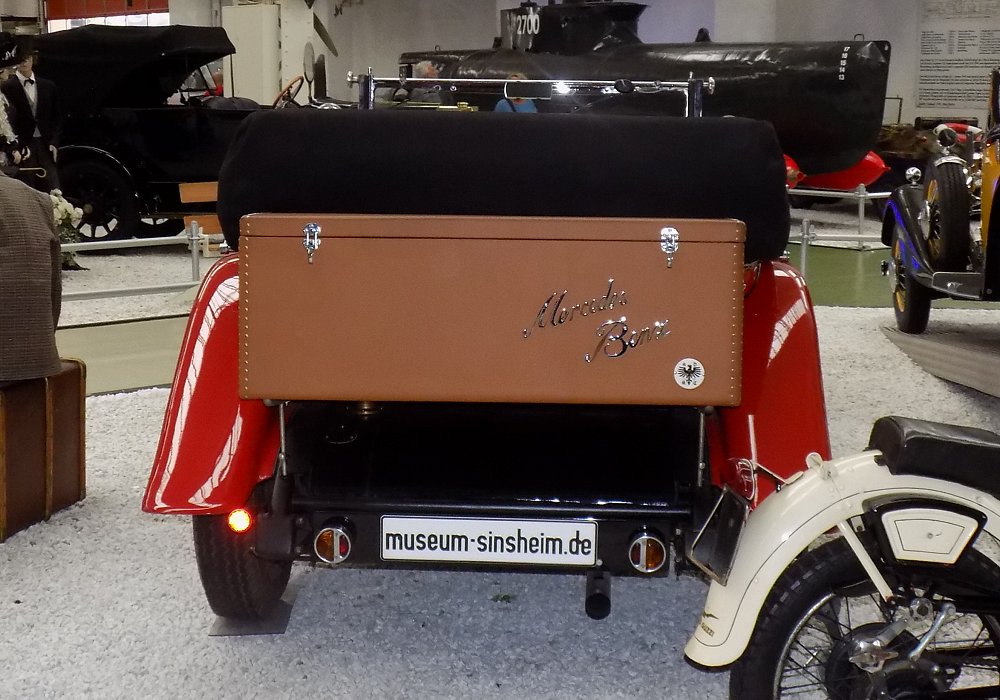
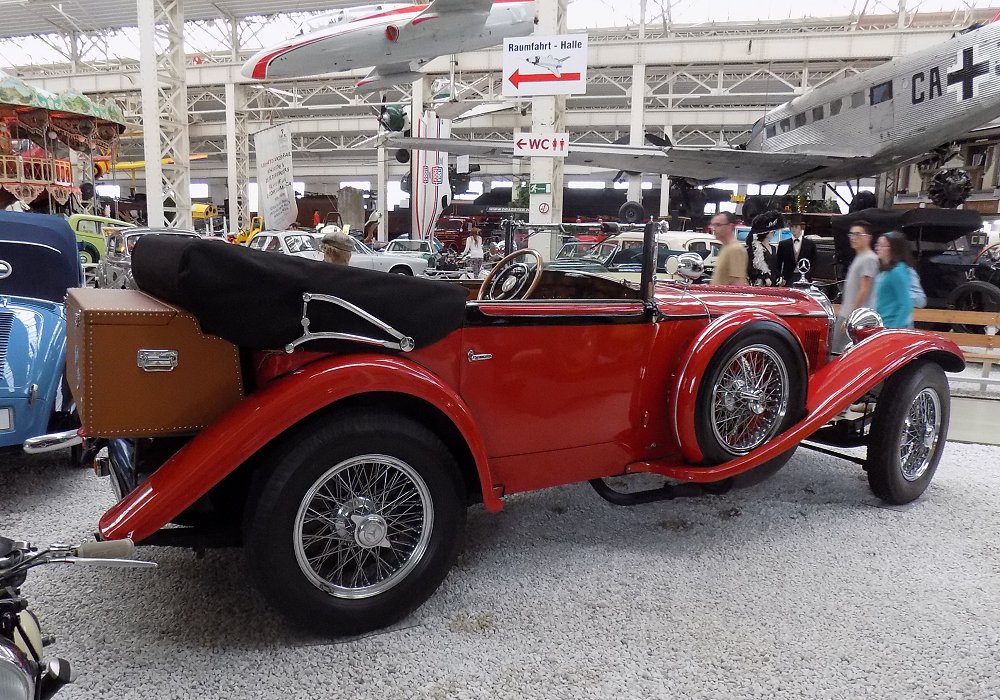
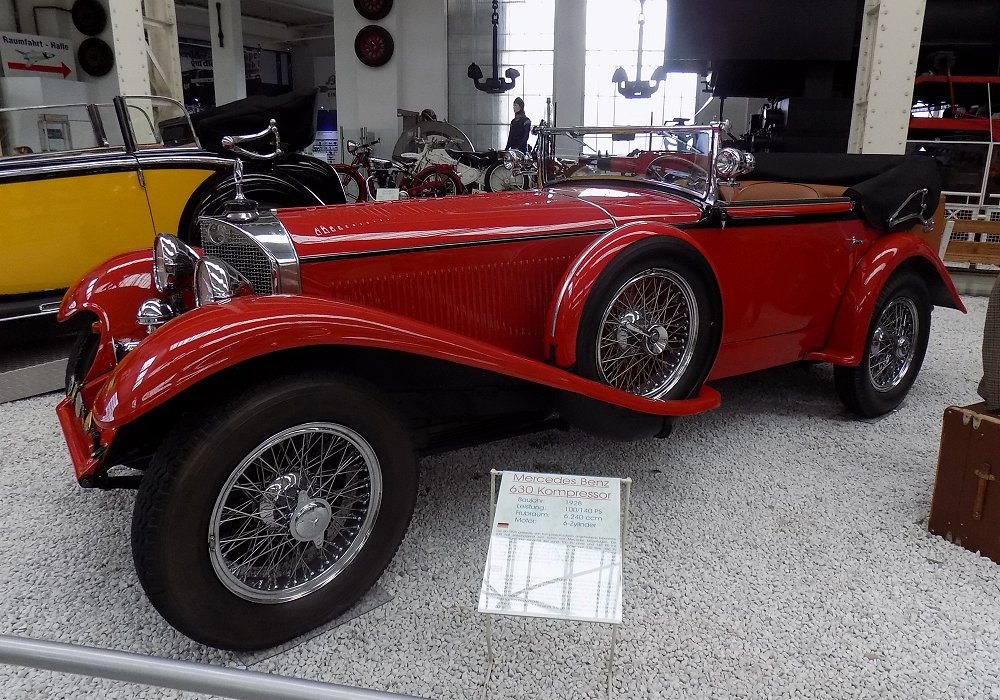
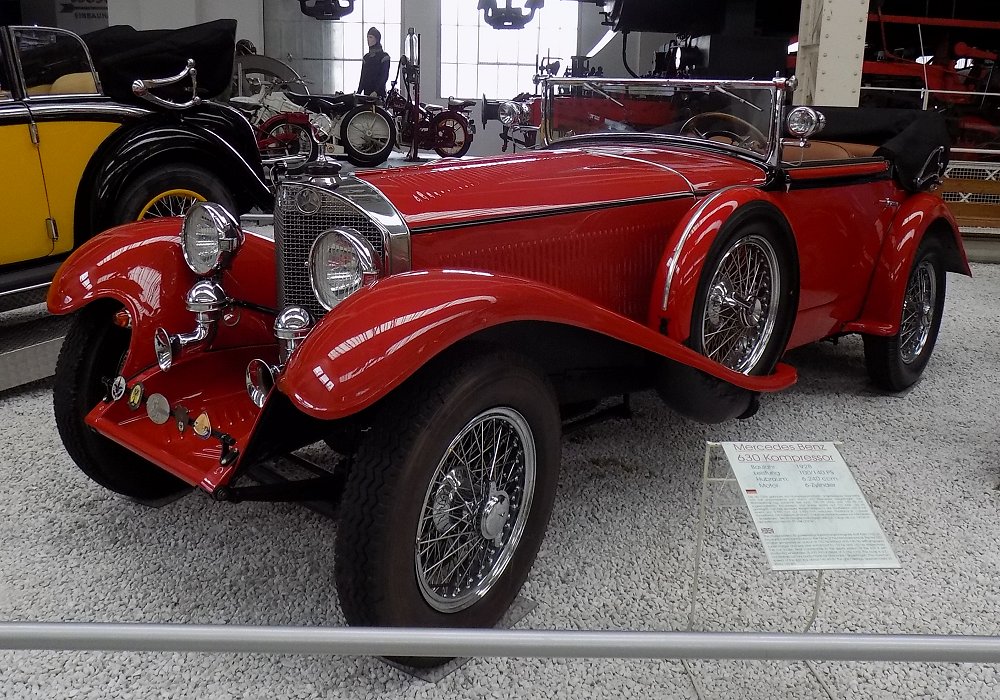
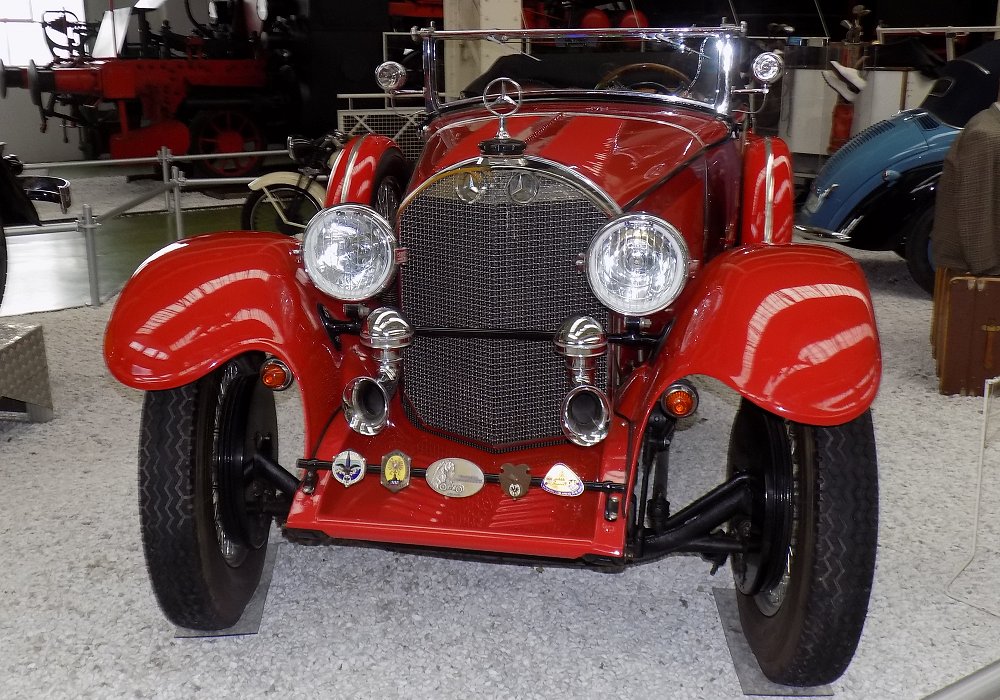
The Mercedes-Benz 24/110/160 PS Type 630 K Cabriolet was one of the most refined and sporting luxury models built on Mercedes’ early supercharged 630 K chassis. Introduced in the mid-1920s, the 630 K represented a major evolutionary step from the earlier 24/100/140 PS series, offering more power, a shortened wheelbase for improved agility and a range of high-quality coachbuilt bodies. Among these, the Cabriolet stood out as the ideal blend of prestige, comfort and open-top performance. It was an exclusive grand-touring machine designed for wealthy owners who wanted powerful long-distance capability with the versatility of an enclosed yet sporting body.
The designation 24/110/160 PS reflected the performance of the mechanically supercharged 6.3-litre inline-six engine. In normal running the engine produced around 110 horsepower, while activation of the Kompressor—engaged by pressing the throttle fully—boosted output to approximately 160 horsepower. This was an enormous figure for the mid-1920s and placed the 630 K among the fastest and most capable road cars of its era. The supercharger delivered a dramatic surge of power, accompanied by a sharper engine tone and the characteristic whine of the Roots blower, giving the car a sense of urgency that distinguished it from traditional luxury tourers.
The K designation indicated Kurz, meaning short, and denoted the shortened wheelbase version of the 630 chassis. This made the car more agile and responsive, especially on winding or mountainous roads. Despite its size and weight, the 630 K handled with impressive stability thanks to its rigid ladder-frame construction, robust axles and well-tuned leaf-spring suspension. Four-wheel mechanical drum brakes gave the Cabriolet strong and reliable stopping power, a significant advantage at a time when many luxury cars still relied on braking systems of lesser sophistication.
The Cabriolet body style offered a balanced combination of elegance and practicality. Unlike the pure two-seat Roadster, the Cabriolet typically provided seating for four within a well-appointed cabin, covered by a fully folding fabric roof. The design varied according to the coachbuilder, but common themes included a long bonnet, upright Mercedes radiator, gracefully curved wings and a neatly proportioned passenger compartment. The folding top allowed for comfortable enclosed travel in poor weather while giving owners the option of open-air motoring on fine days. The stylish lines of the Cabriolet body made it one of the most admired configurations on the 630 K chassis.
Inside, luxury and craftsmanship were emphasised. The cabin was finished with fine leather upholstery, rich wood trim and elegant metal fittings. The dashboard featured Mercedes’ precise mechanical instruments—speedometer, oil pressure, water temperature, ammeter and the essential Kompressor indicator. Seating was comfortable and supportive for long journeys, with ample space for passengers thanks to the generous cabin layout afforded by the standard wheelbase length. Though not as opulent as the chauffeur-focused Sedanca de Ville, the Cabriolet still represented the height of 1920s luxury travel.
On the road, the 24/110/160 PS Type 630 K Cabriolet delivered a unique combination of refined touring comfort and thrilling supercharged performance. In everyday driving, the naturally aspirated engine provided smooth, effortless torque suitable for relaxed motoring. With the supercharger engaged, the car transformed into a powerful, fast grand-tourer capable of sustained high speeds and confident acceleration. The shortened chassis gave it a more sporting feel than the earlier, longer 24/100/140 PS models, making the Cabriolet engaging to drive even on challenging routes.
The 630 K series, including the Cabriolet, played a crucial role in Mercedes’ development of its legendary supercharged sports cars. The engineering lessons learned from the 630 K—improved supercharging, higher chassis rigidity, better cooling and effective braking—directly influenced the creation of the S, SS and SSK models introduced from 1927 onward. These later cars would dominate hillclimbs and road races across Europe, but their foundation lay in the refined grand-touring capabilities of the 630 K platform.
Today, the Mercedes-Benz 24/110/160 PS Type 630 K Cabriolet is recognised as one of the most desirable pre-SSK supercharged Mercedes models. Its combination of powerful engineering, elegant coachbuilt design and open-top luxury makes it highly sought after among collectors. Surviving examples are exceedingly rare, often restored to museum-level standards, and they stand as remarkable representatives of Mercedes’ early Kompressor era—a time when performance, craftsmanship and prestige were blended into some of the most impressive luxury automobiles of the 1920s.