Description
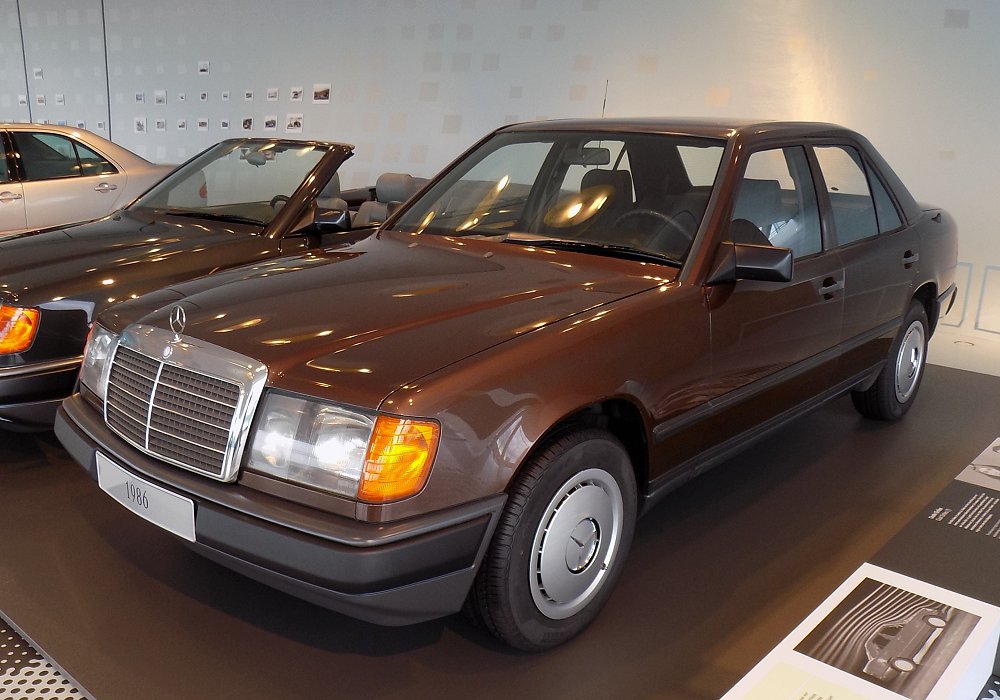
The Mercedes-Benz 250 D was a diesel saloon from the W124 generation and represented a significant step forward in Mercedes-Benz diesel refinement and performance during the mid to late 1980s. Positioned above the four-cylinder diesel models, the 250 D combined improved power and smoothness with the advanced chassis and safety engineering of the W124 platform. It was aimed at buyers who wanted diesel economy and longevity without the lethargic performance traditionally associated with earlier diesel cars.
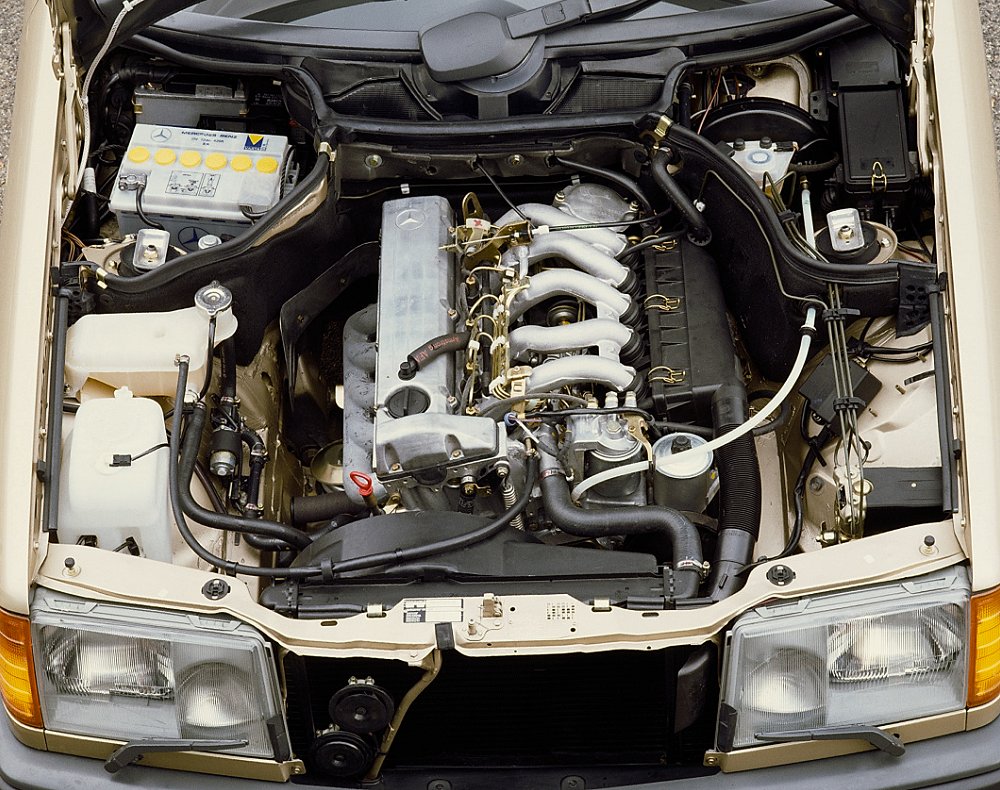
Power came from a 2.5-litre inline five-cylinder diesel engine, producing approximately 90 horsepower in naturally aspirated form. This engine offered a clear improvement over the four-cylinder diesels in terms of torque delivery, smoothness and overall usability. Acceleration was still measured rather than brisk, but the car was far more capable in real-world driving, particularly on motorways and when carrying passengers or luggage. The five-cylinder configuration reduced vibration and improved refinement, making the 250 D noticeably more pleasant over long distances. Buyers could choose between a five-speed manual gearbox and a four-speed automatic transmission, with the manual being more common due to efficiency and performance considerations.
The W124 chassis marked a major technical advance over previous generations. The body was more aerodynamic, reducing wind noise and improving fuel economy, while structural rigidity was significantly enhanced. Safety engineering included a strong passenger cell and carefully developed crumple zones. Suspension consisted of struts at the front and a sophisticated multi-link rear axle, delivering excellent ride comfort, improved traction and stable handling across a wide range of road conditions.
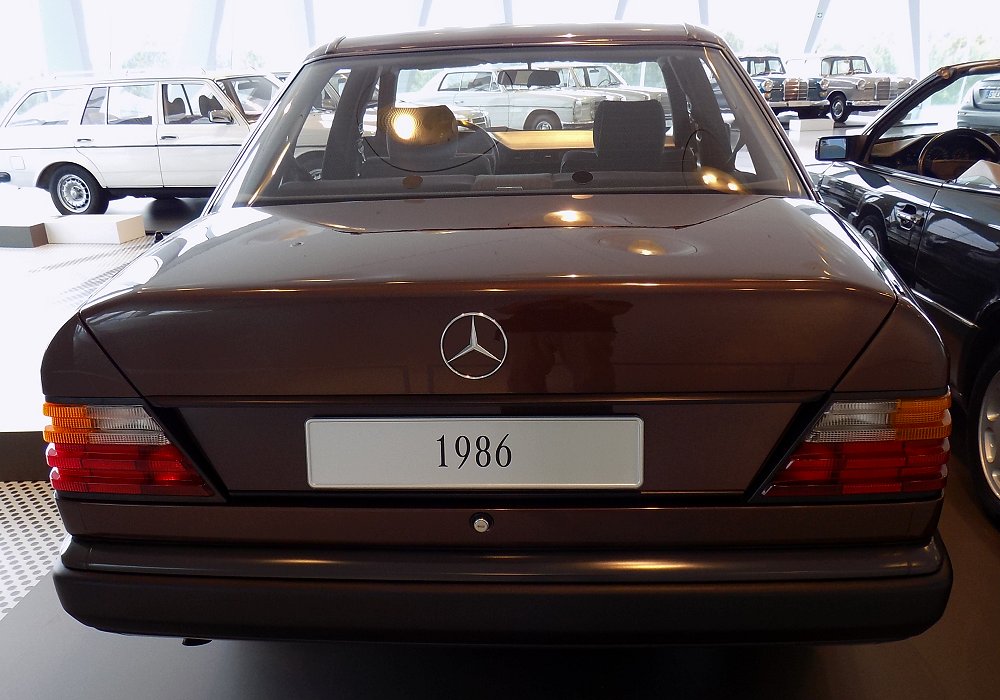
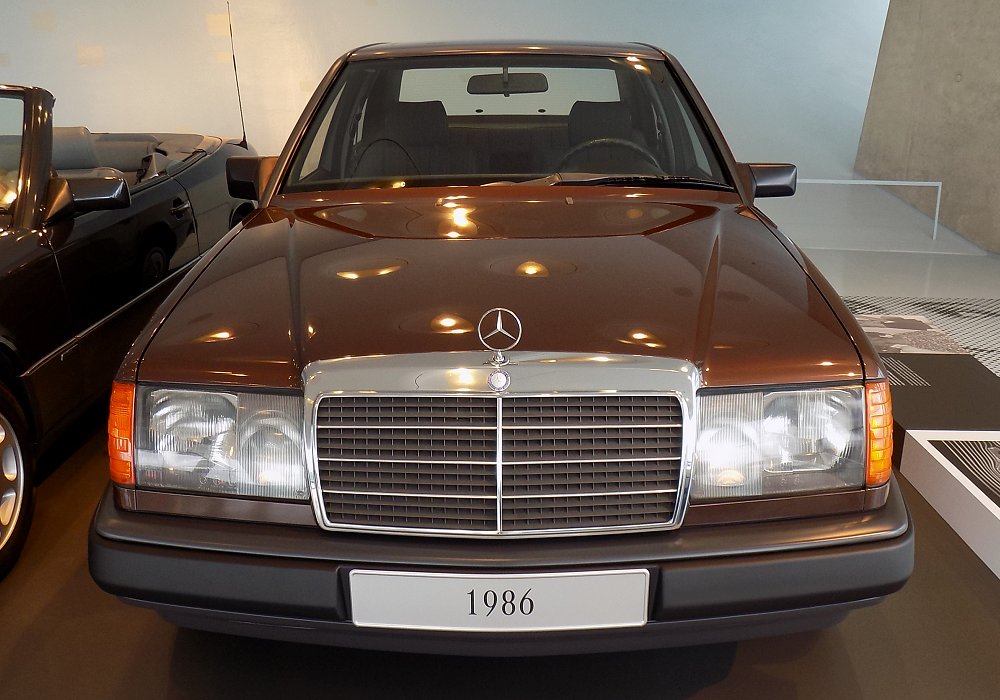
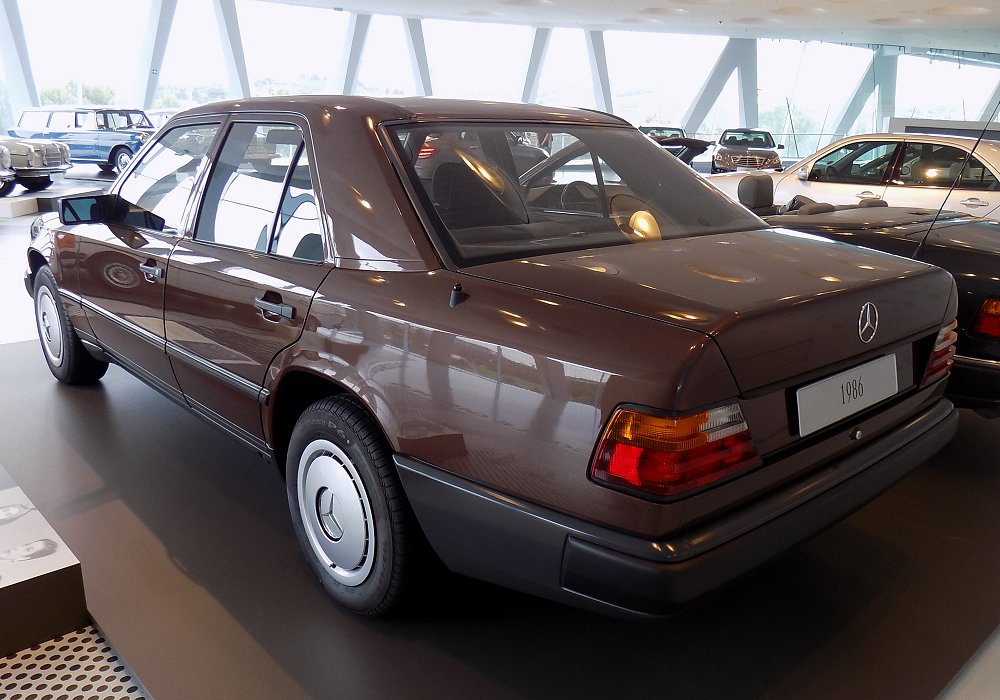
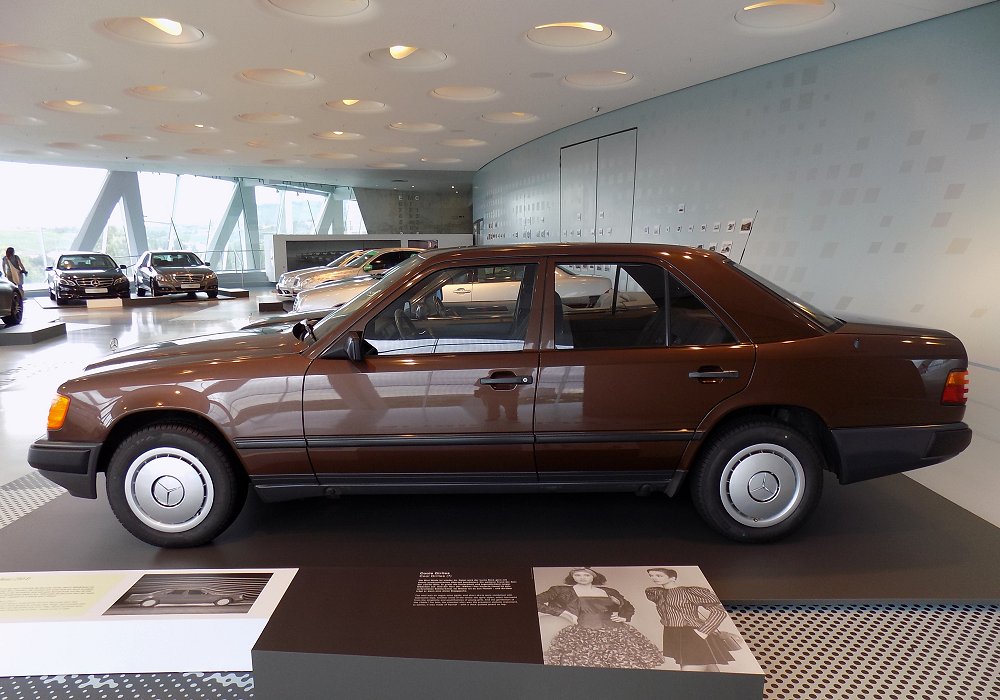
Styling of the Mercedes-Benz 250 D was clean, modern and restrained. Compared with the upright design of the W123, the W124 featured smoother surfaces and a more aerodynamic profile, while retaining a conservative and professional appearance. Chrome detailing was subtle, and the overall design prioritised function and proportion over ornamentation, contributing to the car’s timeless look.
Inside, the cabin reflected Mercedes-Benz’s emphasis on durability, ergonomics and long-term comfort. Seats were firm and supportive, ideal for extended driving, and interior materials were chosen for longevity rather than visual excess. The dashboard layout was logical and uncluttered, with clear instrumentation and intuitive controls. Noise insulation was improved over earlier diesel models, further enhancing refinement, although characteristic diesel sounds were still present at idle.
On the road, the Mercedes-Benz 250 D delivered a calm and composed driving experience. The engine’s stronger torque made the car feel more confident in everyday use, and the advanced suspension ensured stability and comfort even at higher speeds. Steering was precise and well weighted, encouraging relaxed, confident driving rather than aggressive inputs. The car excelled as a long-distance cruiser, where its combination of economy, comfort and reliability came into its own.
The 250 D appealed to professionals, fleet users and private owners who covered high annual mileages and valued low running costs without sacrificing comfort. It became particularly popular in markets where diesel fuel was favoured for economic reasons, and many examples accumulated very high mileages with routine maintenance.
Today, the Mercedes-Benz 250 D is regarded as one of the most balanced diesel variants of the W124 range. It is valued for its smooth five-cylinder engine, robust engineering and understated design. As a model that helped redefine expectations of diesel passenger cars, the 250 D stands as a strong example of Mercedes-Benz’s ability to combine efficiency, refinement and longevity in a single, well-engineered saloon.