Description
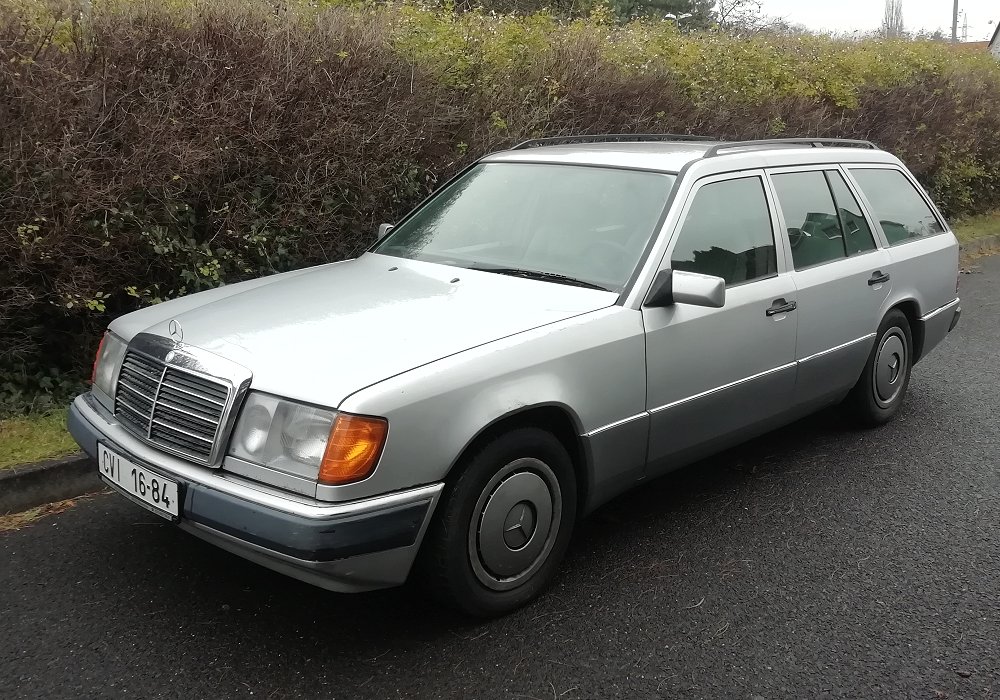
The Mercedes-Benz 250 TD was a diesel estate from the W124 generation and represented a major step forward in combining load-carrying practicality with genuine refinement and improved diesel performance. Introduced in the late 1980s, it sat above the four-cylinder diesel estates and below the range-topping six-cylinder variants, offering an excellent balance of economy, smoothness and everyday usability. It was aimed at buyers who needed space and durability but no longer wanted to accept the compromises traditionally associated with diesel-powered estates.
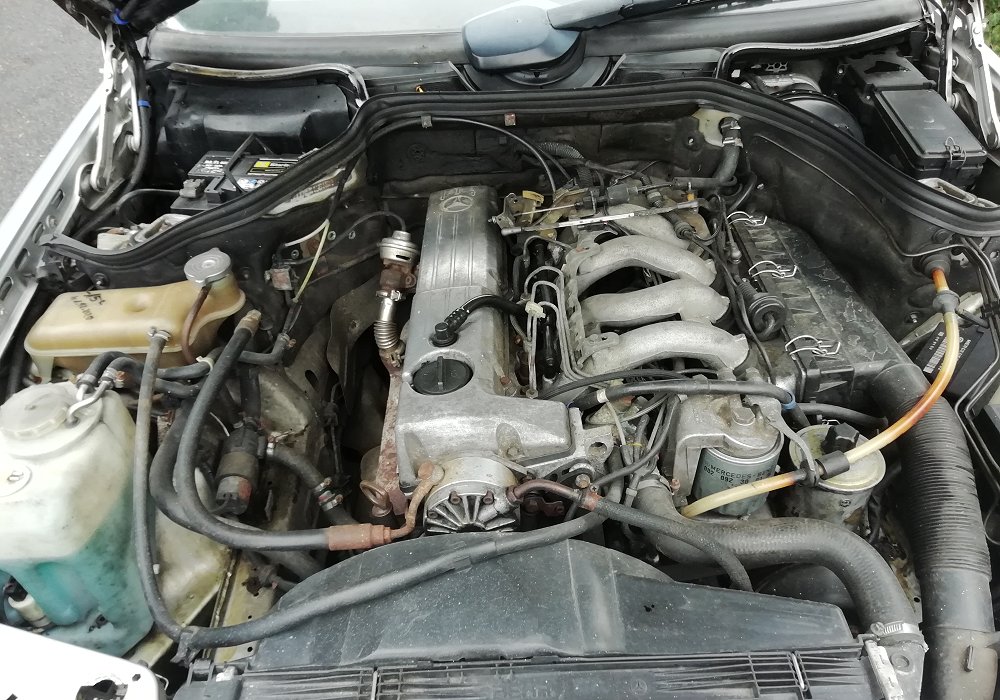
Power came from a 2.5-litre inline five-cylinder diesel engine producing approximately 90 horsepower in naturally aspirated form. This engine delivered a clear improvement in torque and refinement over the older four-cylinder diesels, making the 250 TD far more capable in real-world driving. Acceleration was still measured rather than brisk, but motorway cruising, overtaking and fully laden driving were handled with far greater ease. The five-cylinder layout also reduced vibration and noise, contributing to a more relaxed long-distance character. Buyers could choose between a five-speed manual gearbox and a four-speed automatic transmission, with the manual more common due to efficiency, while the automatic suited the car’s touring role.
The W124 estate platform brought significant technical advantages. In addition to improved aerodynamics and structural rigidity compared with earlier generations, the estate models were equipped with hydropneumatic self-levelling rear suspension as standard. This system automatically maintained correct ride height regardless of load, ensuring consistent handling, braking and ride comfort whether the car was lightly used or heavily laden. Suspension consisted of struts at the front and a sophisticated multi-link rear axle, delivering excellent stability and composure even on poor road surfaces or at higher speeds.
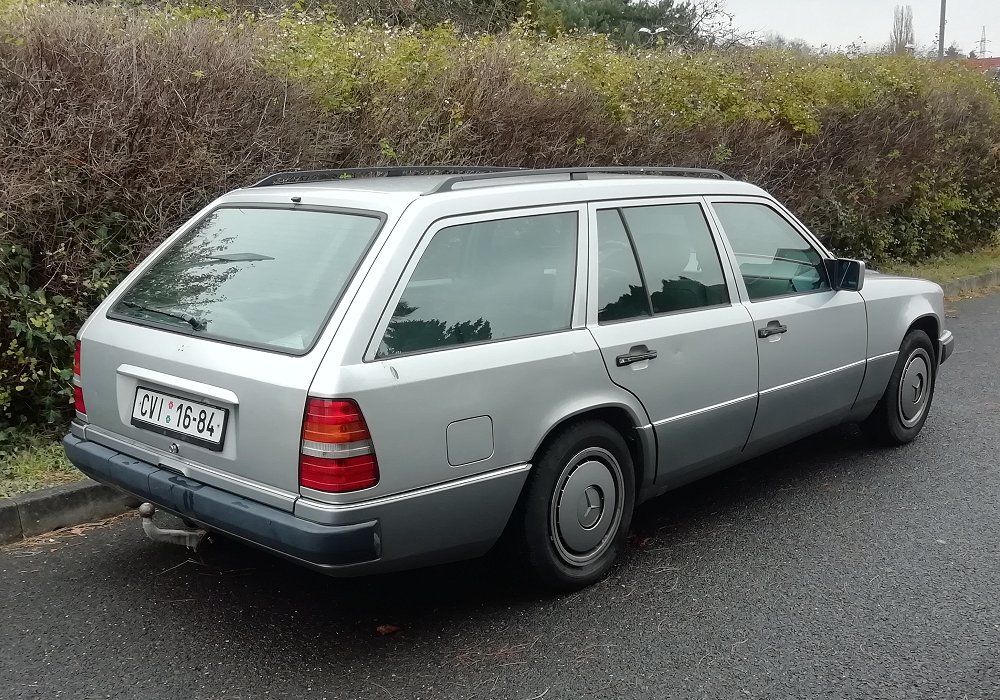
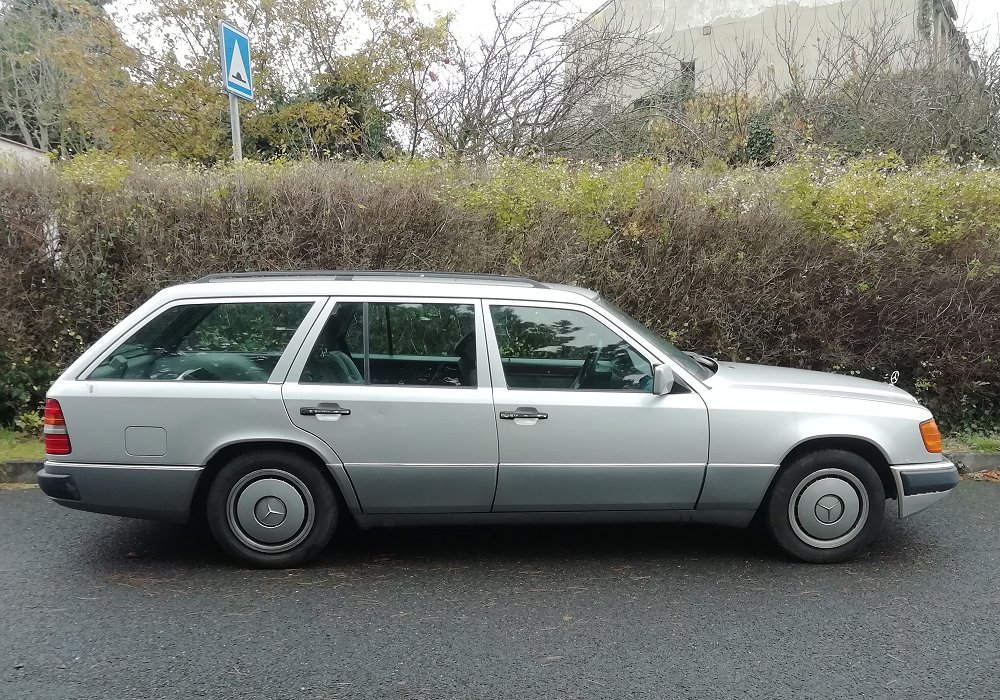
Styling of the Mercedes-Benz 250 TD followed the clean, modern design language of the W124 range. The estate body featured a long roofline, large glass area and near-vertical tailgate, maximising interior space and practicality. Despite its utility-focused shape, the design remained conservative and professional, with restrained chrome detailing and balanced proportions. It projected durability and seriousness rather than luxury or sportiness.
Inside, the cabin reflected Mercedes-Benz’s emphasis on ergonomics and long-term durability. Materials were chosen for wear resistance and quality, with solid switchgear and excellent fit and finish. Seating was firm and supportive, ideal for extended journeys, and rear passenger space was generous for an estate. The load area was wide, flat and easy to access, making the car suitable for family use, professional duties or long-distance travel. With the rear seats folded, the 250 TD offered substantial cargo capacity while retaining the comfort of an executive car.
On the road, the Mercedes-Benz 250 TD delivered a calm, confident and reassuring driving experience. The diesel engine’s improved torque made the car feel composed even when fully loaded, and the self-levelling suspension ensured consistent handling at all times. Steering was precise and well weighted, favouring stability and confidence over agility. The car excelled as a long-distance cruiser, where its combination of comfort, economy and durability was most evident.
The 250 TD appealed to families, professionals and high-mileage users who needed space without sacrificing comfort or refinement. It was particularly popular in markets where estates were valued as premium multi-purpose vehicles rather than purely utilitarian transport. Many examples accumulated very high mileages with routine maintenance, reinforcing the W124’s reputation for longevity.
Today, the Mercedes-Benz 250 TD is regarded as one of the most balanced diesel estates of its era. It is valued for its smooth five-cylinder engine, advanced chassis design and exceptional practicality. As a car that successfully blended diesel efficiency with modern refinement and load-carrying ability, the 250 TD stands as a strong example of Mercedes-Benz engineering during the peak of the W124 generation.