Description
The Mercedes-Benz 260 E was a six-cylinder petrol variant within the W124 range and occupied an important position in the model hierarchy during the mid to late 1980s. Introduced as a more affordable alternative to the 300 E, the 260 E offered much of the refinement and smoothness of a six-cylinder Mercedes-Benz while keeping purchase and running costs lower. It was aimed at buyers who wanted the benefits of six-cylinder power without stepping into the flagship petrol model.
Power came from a 2.6-litre inline six-cylinder petrol engine with fuel injection, producing approximately 160 horsepower. This engine was closely related to the 3.0-litre unit used in the 300 E but tuned for a balance of efficiency and refinement rather than outright performance. Acceleration was smooth and confident, and the engine delivered strong mid-range torque that made everyday driving and motorway cruising effortless. Buyers could choose between a five-speed manual gearbox and a four-speed automatic transmission, with the automatic being particularly popular for its relaxed character.
The W124 platform gave the 260 E a sophisticated and well-balanced chassis. Compared with earlier generations, the W124 featured improved aerodynamics, reduced wind noise and enhanced fuel efficiency. Structural rigidity was high, with a strong passenger safety cell and carefully engineered crumple zones. Suspension used struts at the front and a multi-link rear axle, a major technical advancement that significantly improved ride comfort, handling stability and traction over uneven road surfaces.
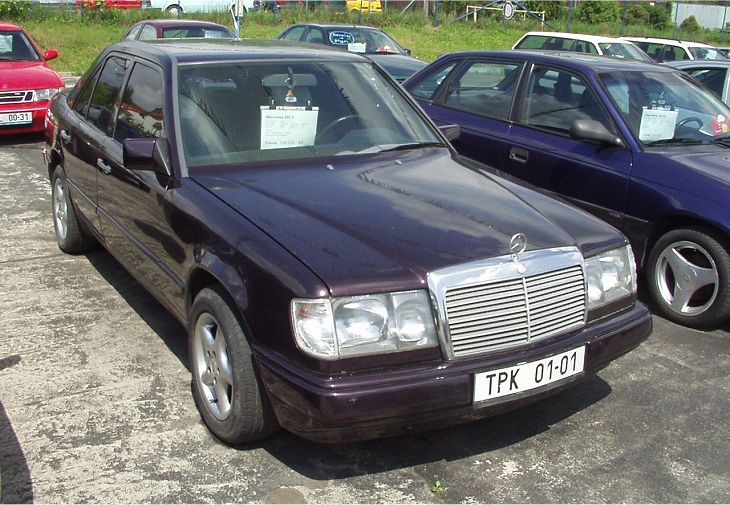
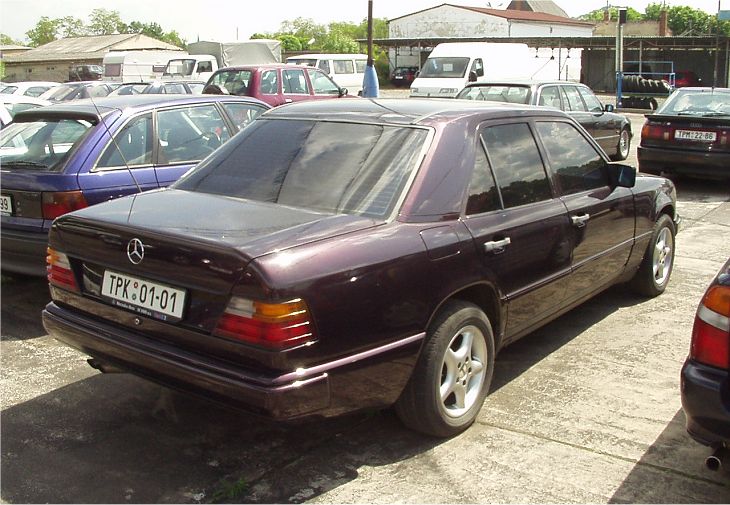
Styling of the Mercedes-Benz 260 E followed the clean and purposeful design language that defined the W124 series. The shape was more aerodynamic and modern than the W123, yet still conservative and professional in appearance. Straightforward lines, restrained chrome detailing and balanced proportions gave the car a timeless quality that has aged well. It conveyed authority and quality without visual excess.
Inside, the cabin reflected Mercedes-Benz’s emphasis on ergonomics and long-term durability. Materials were of high quality and designed to withstand years of use, with solid switchgear and excellent fit and finish. Seating was firm but comfortable, offering strong support on long journeys. The dashboard layout was logical and driver-focused, with clear instrumentation and intuitive controls. Depending on specification and market, equipment levels could include climate control, electric windows and upgraded audio systems.
On the road, the 260 E delivered a calm and composed driving experience. The six-cylinder engine was smooth and quiet, and the advanced suspension provided excellent stability at speed while absorbing poor road surfaces with ease. Steering was precise and well weighted, offering confidence without encouraging aggressive driving. The car excelled as a long-distance cruiser, where its refinement and balance were most apparent.
The Mercedes-Benz 260 E appealed to professionals and private owners seeking a high-quality executive saloon with six-cylinder refinement but without the added cost and performance focus of the 300 E. It proved popular in markets where engine capacity and taxation played a role in purchasing decisions, offering an intelligent compromise within the range.
Today, the Mercedes-Benz 260 E is regarded as a well-balanced and often overlooked member of the W124 family. It is valued for its smooth engine, robust engineering and timeless design. As a car that combines traditional Mercedes-Benz refinement with modern chassis technology, the 260 E stands as a strong example of the W124 philosophy and remains a respected modern classic.