Description
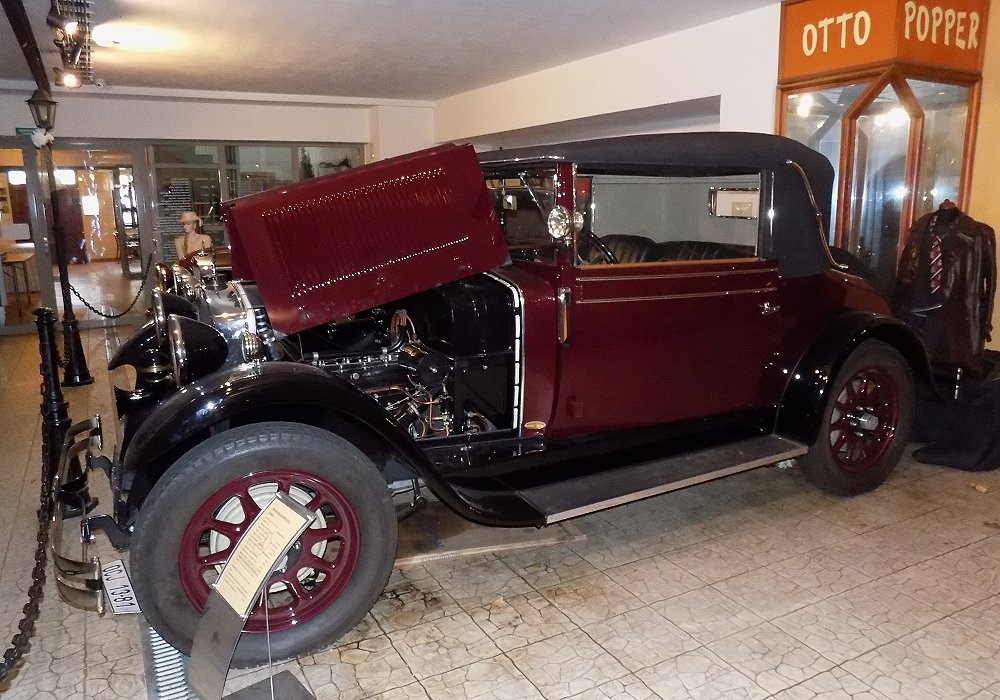
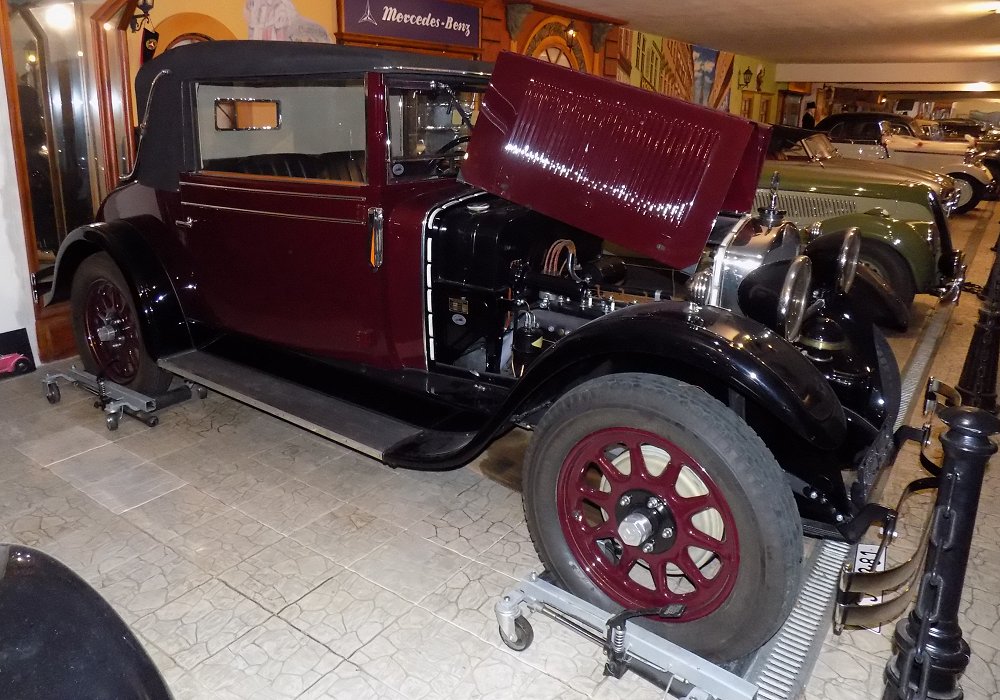
The Mercedes-Benz 260 Stuttgart 10/50 PS Cabriolet A was one of the most elegant and desirable body styles available on Mercedes’ mid-range W11 chassis, introduced in 1929 as the successor to the earlier 200 Stuttgart. While the Stuttgart series was positioned below the large luxury and supercharged models, the 260 Stuttgart offered a notable step up in both power and refinement. The Cabriolet A body, with its compact two-door layout and sophisticated open-top design, gave the model a fashionable presence that appealed to private motorists seeking prestige without the cost of Mercedes’ flagship lines.
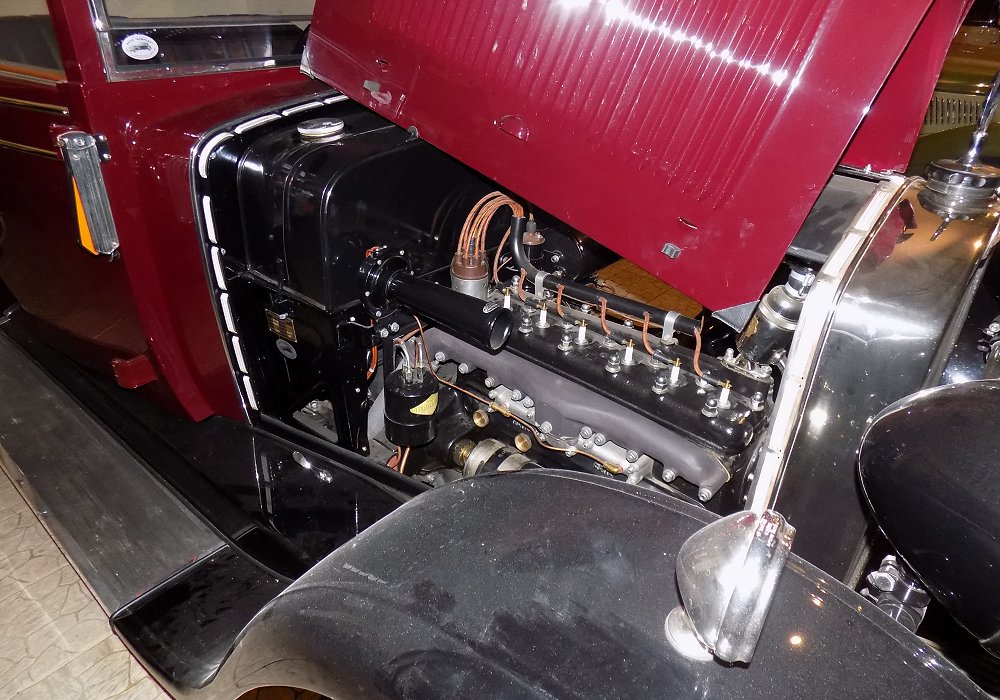
The designation 10/50 PS followed the taxation and power-rating system used in Germany at the time. The first figure, 10, represented the tax horsepower, which was based on bore size and used for registration purposes. The second figure, 50, represented the engine’s actual output in metric horsepower. The engine itself was a 2.6-litre inline-six, smooth-running and notably stronger than the 1.9-litre unit of the earlier 200 Stuttgart. It provided excellent torque for flexible, relaxed driving and allowed the Cabriolet A to cruise comfortably on open roads. While not a high-performance machine in the sporting sense, the 260 Stuttgart delivered confident acceleration and a top speed in the region of 95–100 km/h, entirely suitable for the road conditions of its time.
Power was delivered through a four-speed manual gearbox, carefully engineered for refinement and durability. Gear changes were clean and precise, and the overall gearing allowed both steady town driving and long-distance touring with relative ease. The drivetrain was known for its reliability—one of the factors that made the Stuttgart series popular with both private owners and professional drivers.
The chassis of the 260 Stuttgart was based on a robust ladder-frame layout, strengthened to support the larger engine. Semi-elliptic leaf springs at the front and rear ensured a ride that balanced comfort with stability, while mechanical drum brakes on all four wheels provided reassuring stopping power. Steering was direct and predictable, with enough mechanical feel to give the driver confidence even on rougher surfaces. The car’s handling character was secure and composed, reflecting Mercedes’ focus on durability and safety.
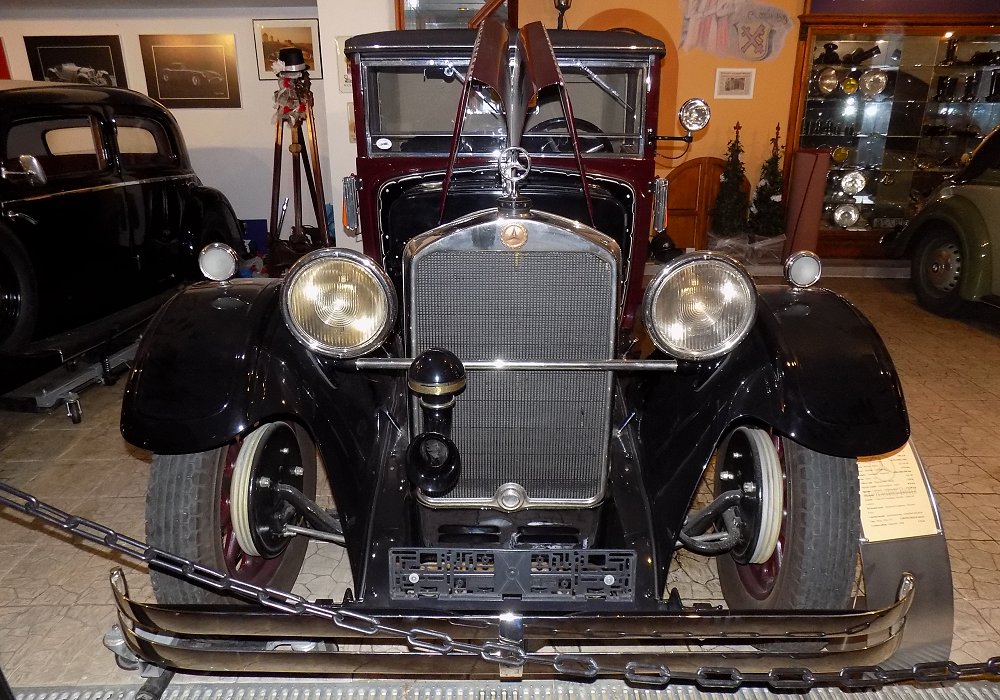
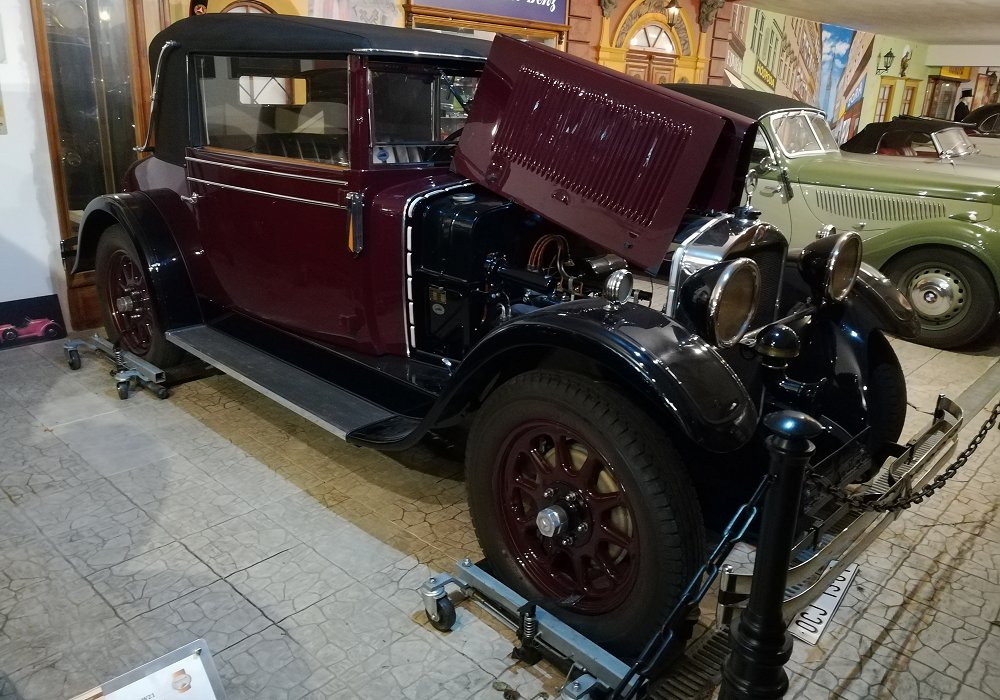
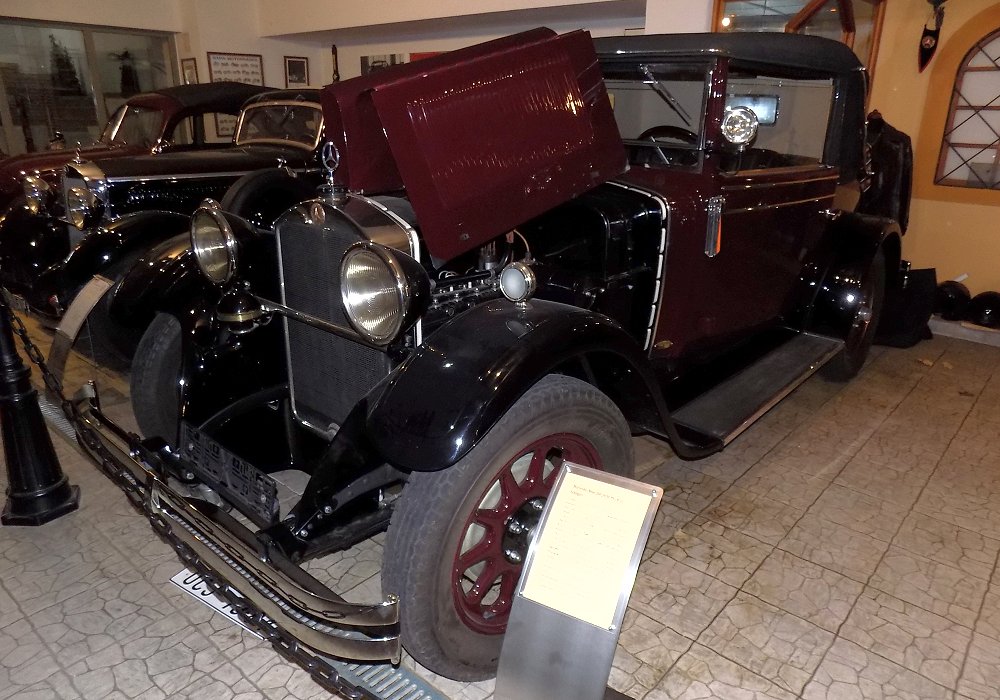
What set the Cabriolet A variant apart was the elegance of its factory coachwork. The body featured a short two-door configuration with seating for two or occasionally two plus a small rear bench. Its proportions were beautifully judged: a tall, upright Mercedes radiator at the front, a gently sloping bonnet, clean side panels and a neatly formed rear deck beneath the folding roof. The Cabriolet A top was constructed from high-quality fabric and folded compactly behind the seats, giving the car a graceful appearance whether raised or lowered. Bright trim, wire wheels and subtle chrome details emphasised the Mercedes identity without excess ornamentation.
Inside, the Cabriolet A offered a refined yet intimate cabin. Seats were typically upholstered in high-grade leather or quality fabric, depending on the buyer’s preference. The dashboard featured polished wood, clear instruments and well-crafted controls. The driving position was upright and commanding, with excellent visibility—an important consideration for open-top touring. The level of finish was an important selling point: although more affordable than the luxury Mercedes models, the 260 Stuttgart maintained the company’s hallmark attention to materials and craftsmanship.
On the road, the Mercedes-Benz 260 Stuttgart 10/50 PS Cabriolet A delivered a pleasant, well-balanced driving experience. The smooth inline-six engine provided steady power with minimal vibration, and the chassis absorbed road irregularities with ease. The Cabriolet A was particularly well suited to leisure motoring, weekend touring and city driving, where its elegant open-top design could be fully appreciated. Owners valued the balance between practicality, style and mechanical excellence.
The 260 Stuttgart played an important role in Mercedes’ range during the late 1920s and early 1930s. It gave the company a strong mid-market offering, helping sustain sales during economically difficult times while maintaining the engineering standards associated with the brand. The Cabriolet A variant, being both stylish and relatively rare, is today one of the most sought-after body styles on the W11 chassis.
Among collectors, the Mercedes-Benz 260 Stuttgart Cabriolet A is valued for its charm, mechanical simplicity and elegant factory design. It represents an important chapter in Mercedes’ history, demonstrating how the company blended engineering reliability with tasteful styling in a model accessible to a wider clientele. Well-preserved examples offer a rewarding and authentic driving experience from a transitional era in automotive development.