Description
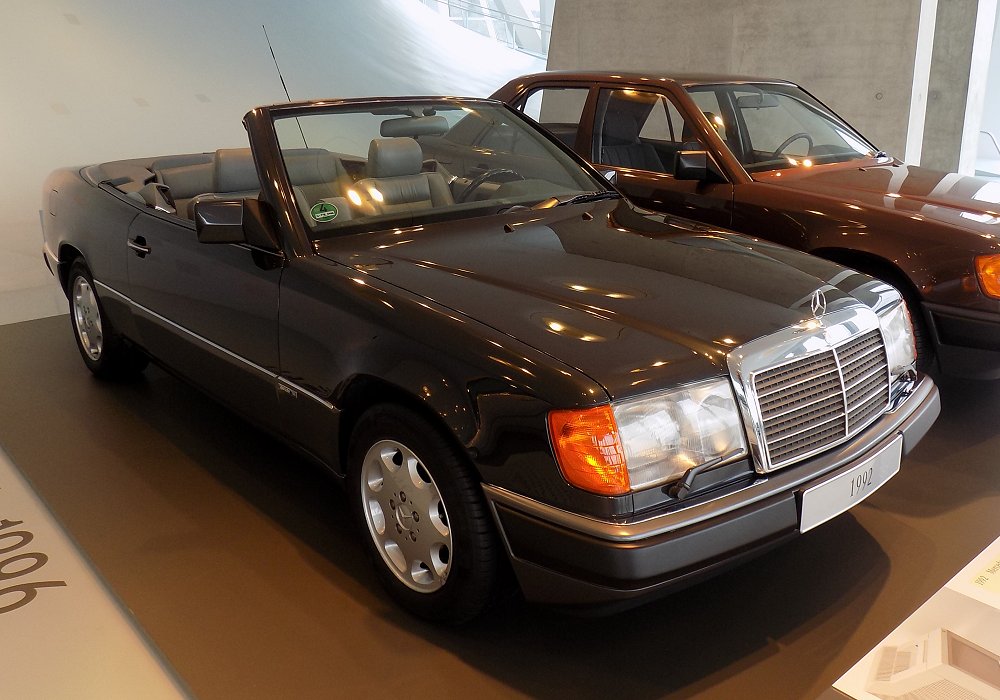
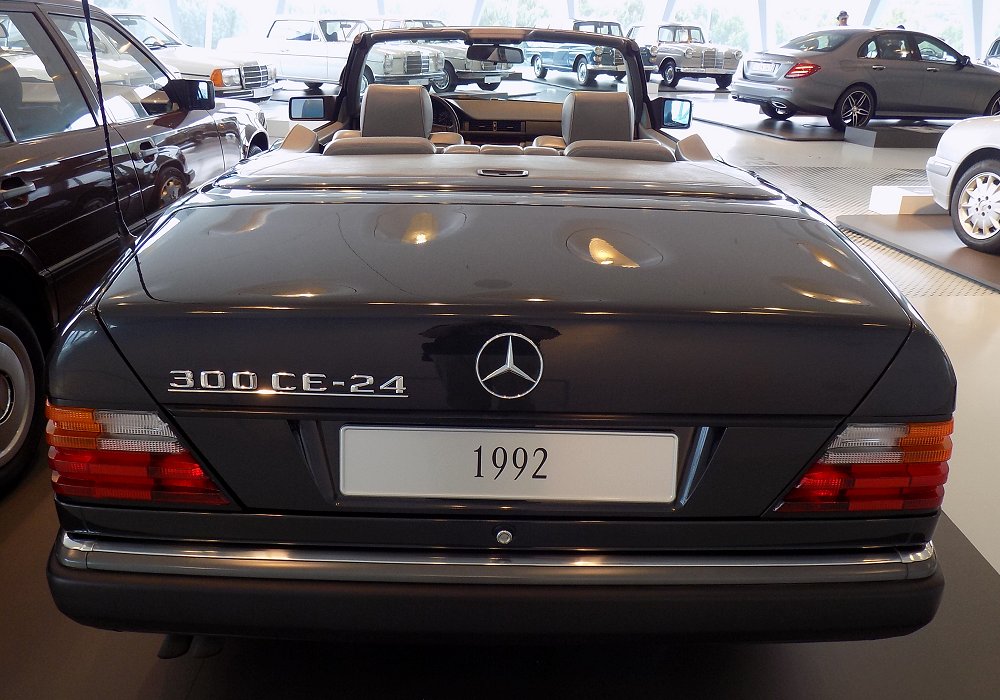
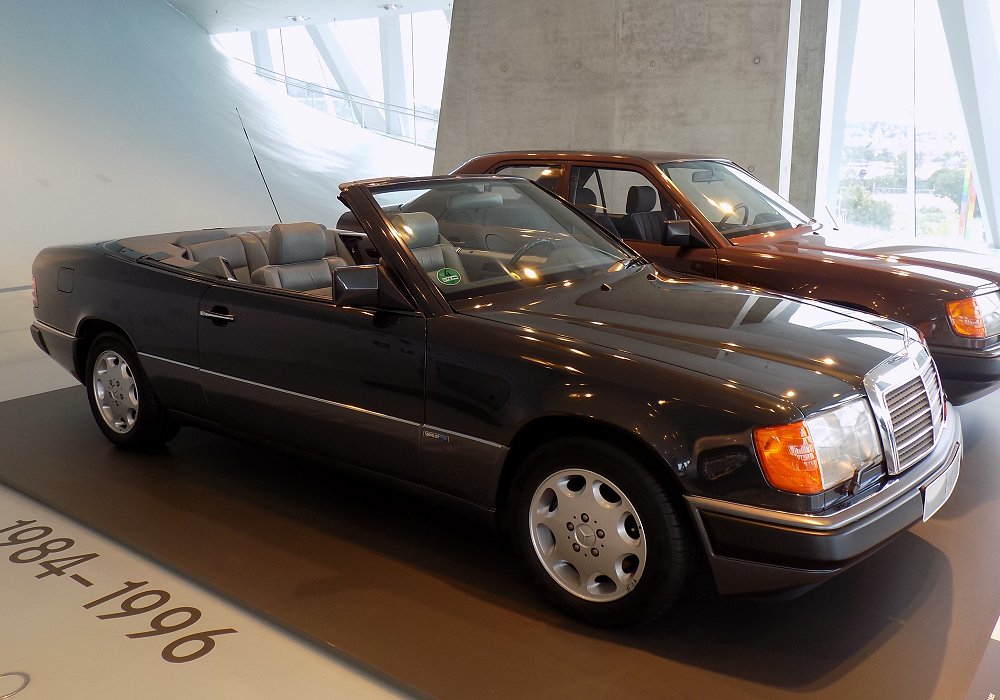
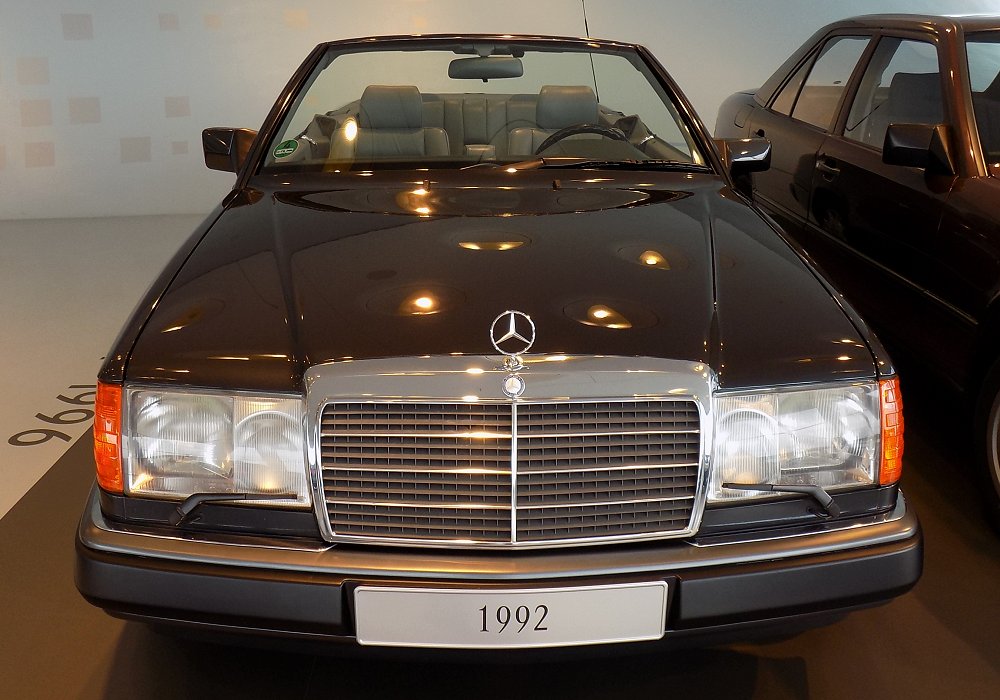
The Mercedes-Benz 300 CE-24 Cabriolet was one of the most sophisticated and desirable open four-seat cars of the early 1990s, marking Mercedes-Benz’s return to a full four-seat cabriolet after a long absence. Based on the W124 platform, it combined advanced engine technology, exceptional structural engineering and understated elegance, positioning it as a premium grand touring convertible rather than a sports car.
Power came from a 3.0-litre inline six-cylinder petrol engine with four valves per cylinder, producing approximately 220 horsepower. This 24-valve engine represented a major technical step forward for Mercedes-Benz, delivering strong top-end performance, smooth power delivery and excellent refinement. Acceleration was brisk for a car of its size and weight, and high-speed cruising was effortless. The engine was most commonly paired with a four-speed automatic transmission, which complemented the car’s relaxed, luxurious character, though a manual gearbox was available in some markets.
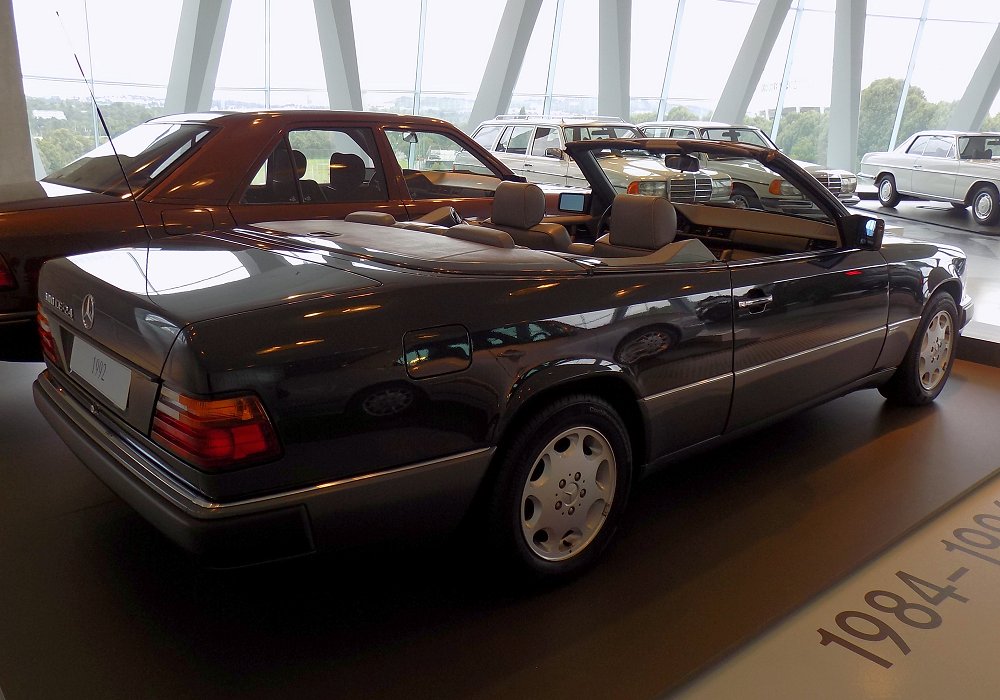
Converting the W124 into a cabriolet required extensive re-engineering. The absence of a fixed roof meant the body shell was heavily reinforced to maintain rigidity and safety. Strengthened sills, additional cross-bracing and reinforced bulkheads were incorporated, resulting in one of the stiffest convertible bodies of its era. A fully automatic fabric roof was fitted, offering excellent insulation and weather protection when raised, and a clean, elegant profile when lowered.
The suspension retained the W124’s advanced layout, with struts at the front and a sophisticated multi-link rear axle. This provided a refined balance between comfort and stability, even with the additional weight of structural reinforcements. Ride quality was smooth and composed, and the car remained stable and reassuring at speed. Disc brakes at all four wheels ensured strong and consistent stopping performance appropriate to the car’s power and mass.
Styling of the 300 CE-24 Cabriolet was elegant and restrained. With the roof raised, the car retained the clean, formal lines of the W124 coupé, while with the roof lowered it presented a long, low and dignified silhouette. Chrome detailing was subtle, and the design avoided flamboyance, reinforcing the car’s role as a luxury convertible rather than a fashion statement.
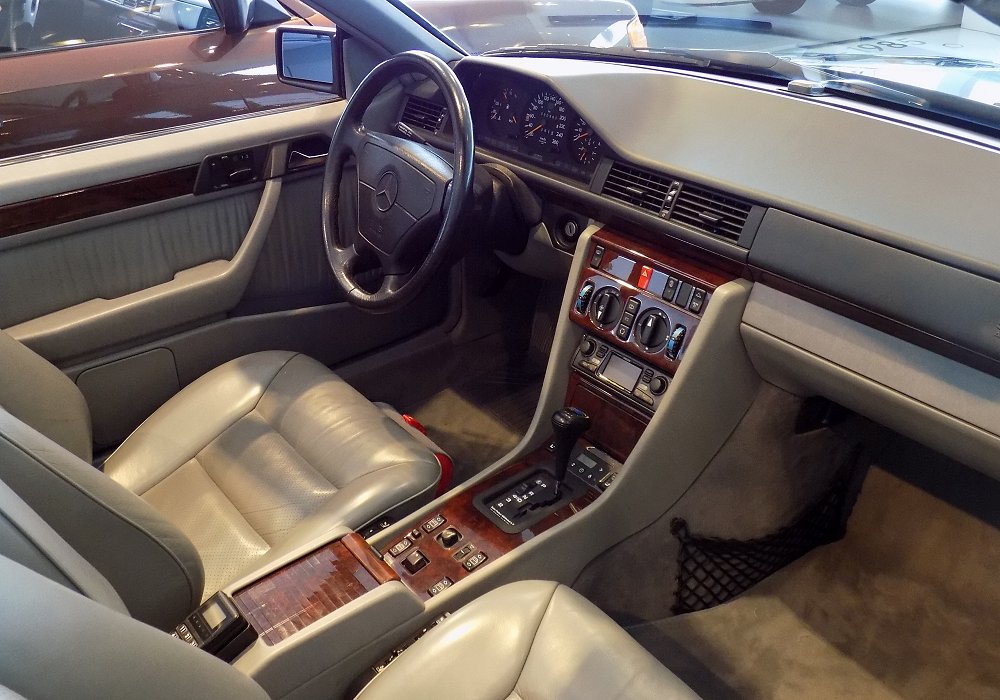
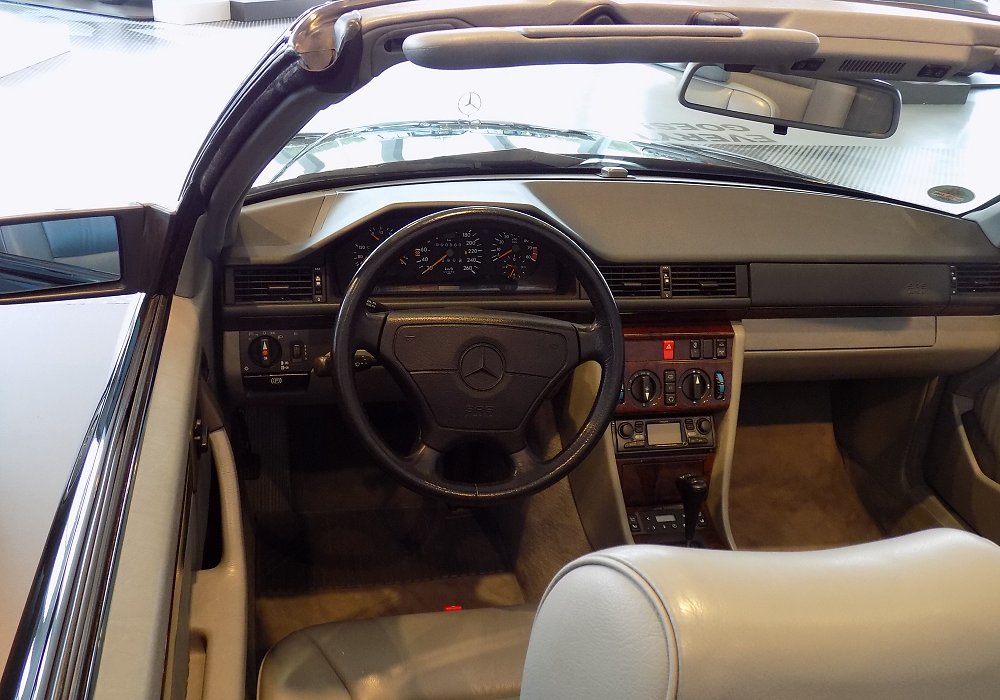
Inside, the cabin was finished to a very high standard. Seating was firm yet comfortable, designed for long journeys, and rear seats were genuinely usable, a rarity among convertibles. Interior materials included high-quality leather, wood trim and durable switchgear, reflecting Mercedes-Benz’s emphasis on longevity. Equipment levels were generous, often including automatic climate control, electric seats and comprehensive convenience features.
On the road, the Mercedes-Benz 300 CE-24 Cabriolet delivered a refined and confident driving experience. The six-cylinder engine provided smooth, effortless power, while the chassis absorbed road imperfections with ease. Steering was precise and reassuring rather than sporty, and the car encouraged relaxed, unhurried driving. With the roof down, wind management was excellent for the period, making long open-top journeys genuinely comfortable.
The 300 CE-24 Cabriolet appealed to buyers seeking a high-quality, four-seat convertible with strong performance and everyday usability. Typical owners valued craftsmanship, comfort and understated prestige over overt sportiness. It was often purchased as a long-term ownership car rather than a seasonal indulgence, reflecting its practicality and engineering depth.
Today, the Mercedes-Benz 300 CE-24 Cabriolet is regarded as one of the finest convertibles of its era. It is valued for its advanced 24-valve engine, exceptional build quality and timeless design. As a model that combined open-air driving with genuine luxury, safety and usability, it stands as a landmark in Mercedes-Benz’s modern history and a highly respected modern classic.