Description
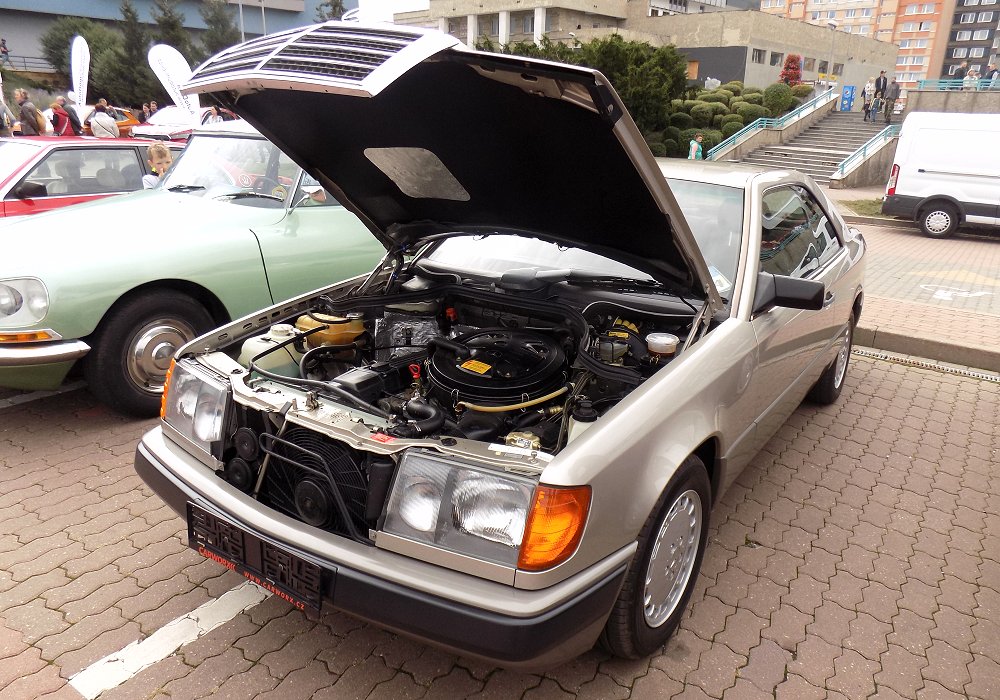
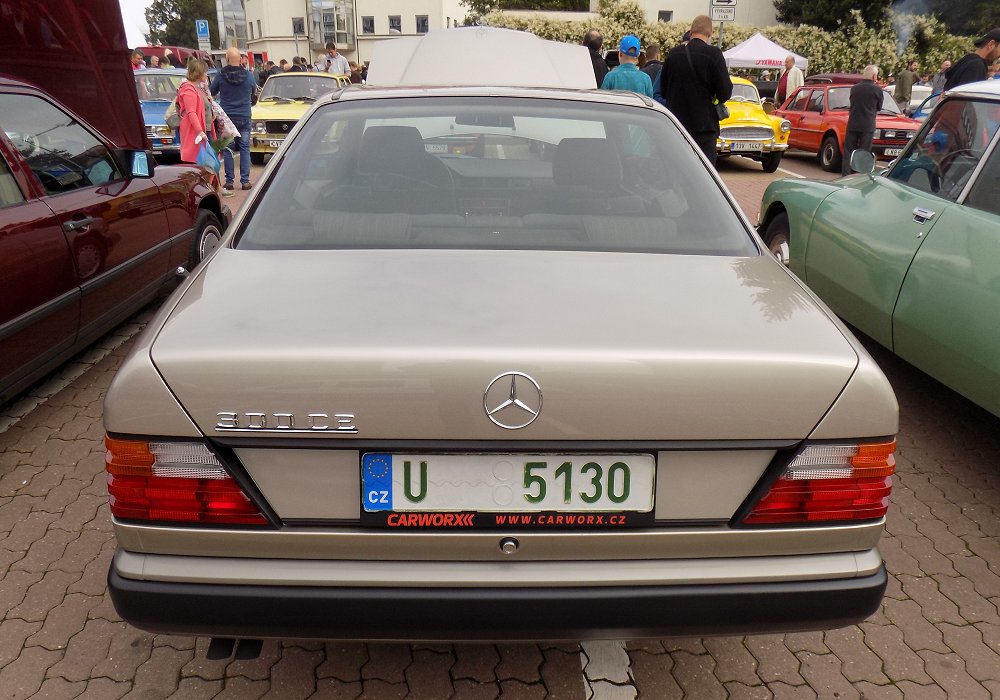
The Mercedes-Benz 300 CE Automatic Kat was a refined evolution of the W124 coupé, reflecting Mercedes-Benz’s response to tightening emissions regulations while preserving the performance, comfort and engineering quality that defined the model. Introduced toward the end of the 1980s, the “Kat” designation indicated the use of a catalytic converter, marking an important step in the brand’s transition to cleaner petrol engines without compromising refinement.
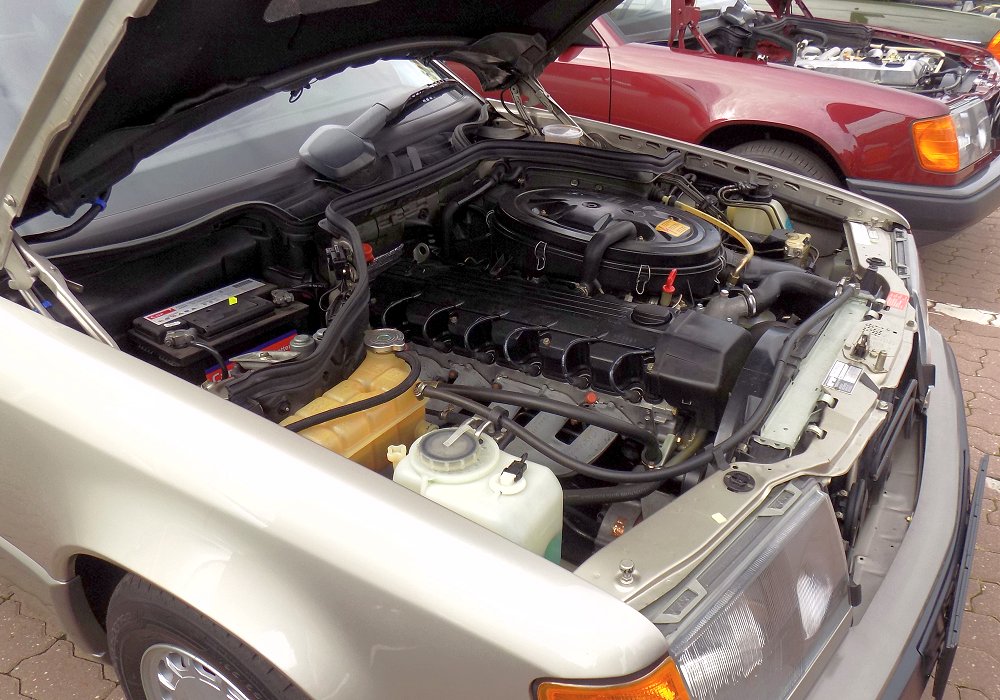
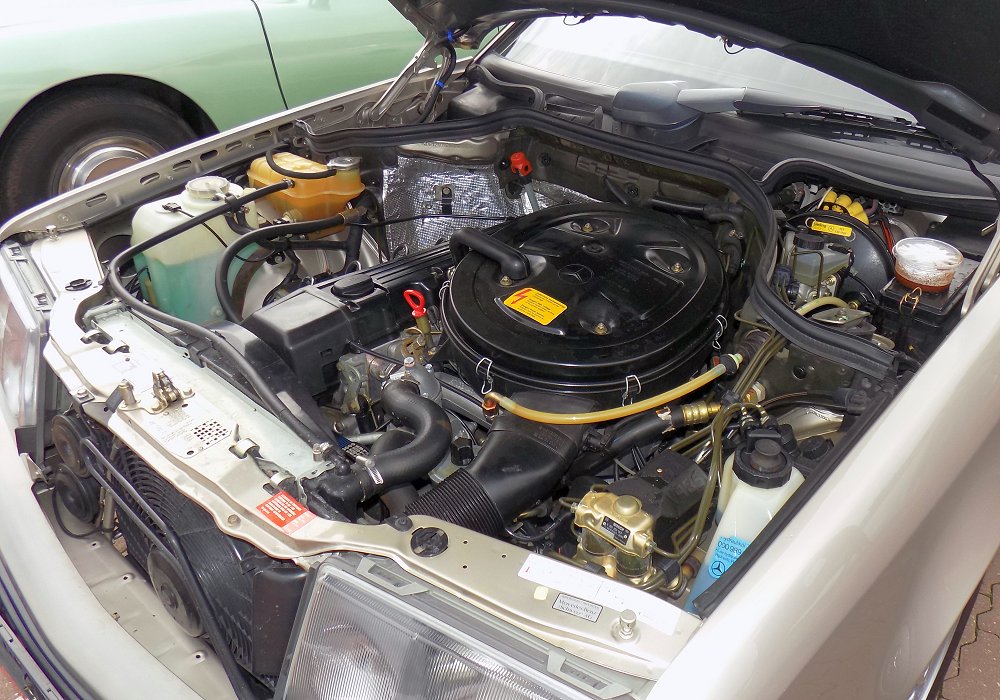
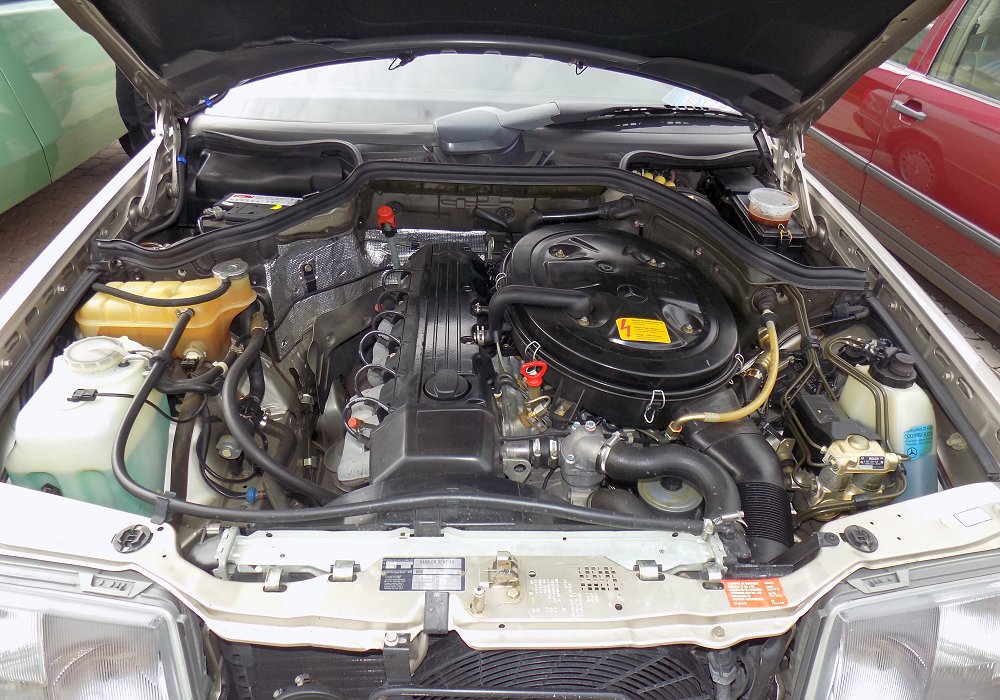
Power came from the 3.0-litre inline six-cylinder petrol engine equipped with fuel injection and a catalytic converter. Output was slightly reduced compared with non-catalyst versions, typically producing around 180 horsepower, but the engine remained smooth, flexible and well suited to the coupé’s grand touring role. Torque delivery was strong across the mid-range, making everyday driving and motorway cruising effortless. Paired with the four-speed automatic transmission, performance was unhurried but authoritative, with seamless gear changes that reinforced the car’s relaxed and sophisticated character.
The W124 platform provided a technically advanced and well-balanced foundation. Improved aerodynamics reduced wind noise and enhanced fuel efficiency compared with earlier generations, while the rigid body structure incorporated a strong passenger safety cell and carefully engineered crumple zones. Suspension consisted of struts at the front and a multi-link rear axle, a major technical advancement that delivered excellent ride comfort, stability and predictable handling without sacrificing the traditional Mercedes-Benz emphasis on composure.
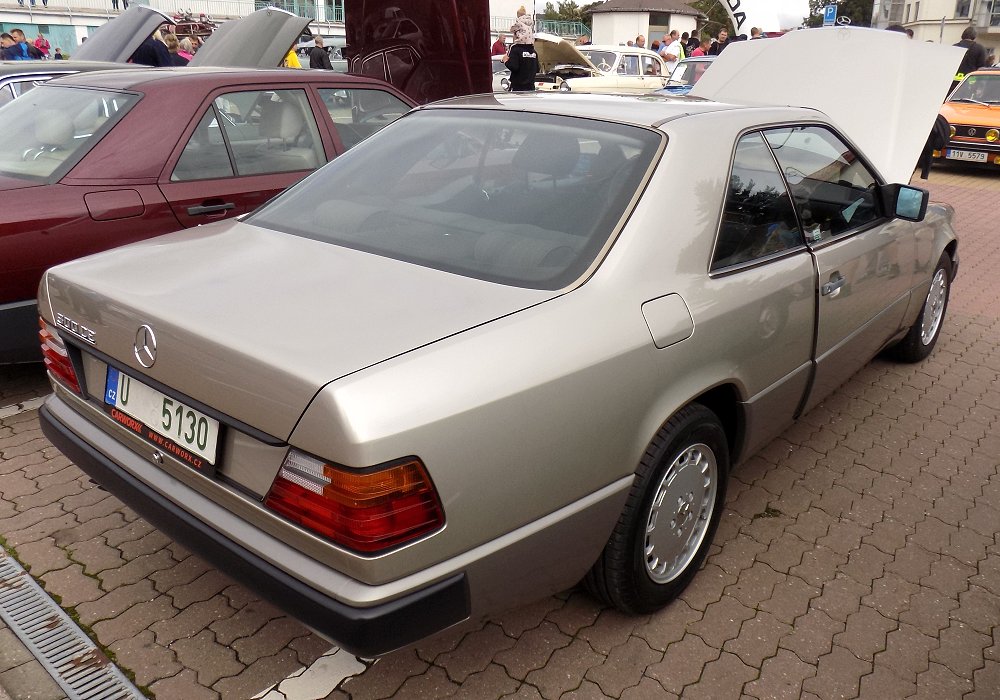
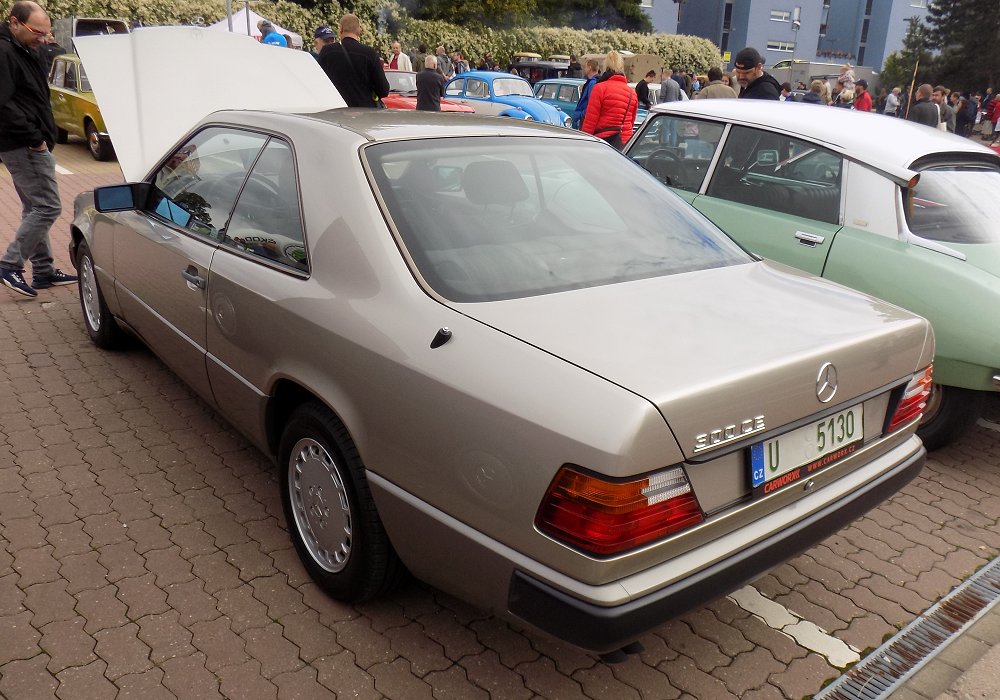
Styling of the 300 CE Automatic Kat followed the clean, modern design language of the W124 series. Smooth body surfaces, balanced proportions and a lower profile gave the coupé a contemporary yet conservative appearance. The pillarless design with frameless side windows and a gently sloping roofline created an elegant silhouette, particularly with the windows lowered. There were no overt external cues to distinguish the catalytic converter version, maintaining the understated nature of the model.
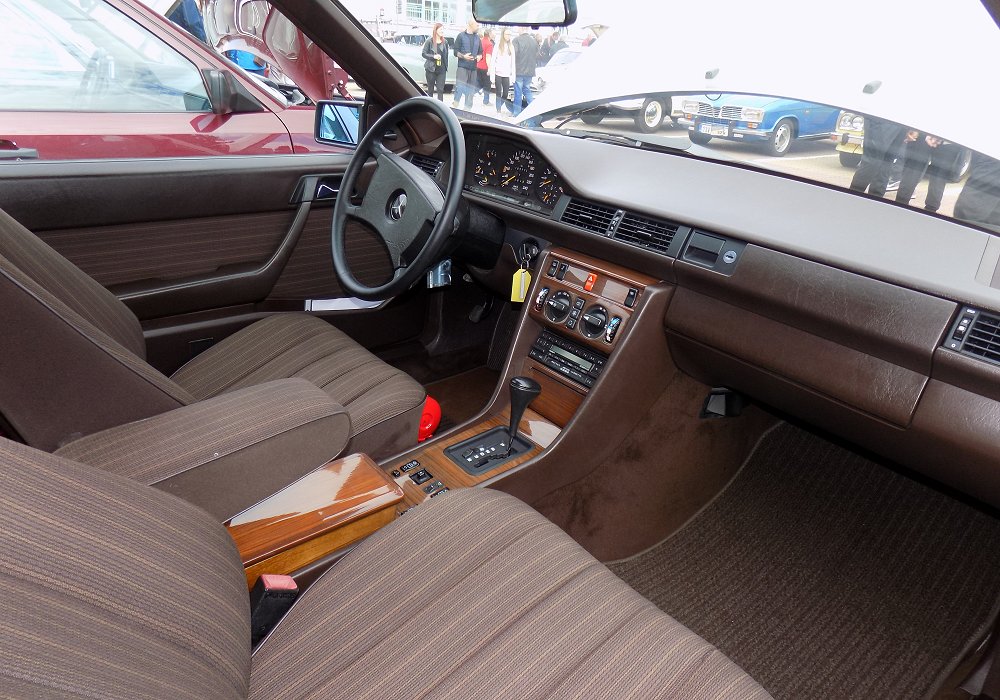
Inside, the cabin combined modern ergonomics with the solid construction expected of Mercedes-Benz. Materials were chosen for durability and long-term quality, with excellent fit and finish throughout. Seats were firm and supportive, designed for extended journeys, and the dashboard layout was logical and driver-focused. Equipment levels were typically high, often including automatic climate control, electric windows and other comfort features, depending on market and specification.
On the road, the Mercedes-Benz 300 CE Automatic Kat delivered a calm, confident and refined driving experience. The six-cylinder engine was smooth and quiet at cruising speeds, and the automatic transmission reduced driver effort in traffic and urban conditions. The chassis provided excellent stability at speed, and the car excelled as a long-distance cruiser rather than a sporty coupé. Steering was precise and well weighted, encouraging smooth, confident driving rather than aggressive inputs.
The 300 CE Automatic Kat appealed to buyers who wanted a stylish personal car with strong performance, modern emissions compliance and everyday usability. Typical owners included professionals and private individuals seeking discreet luxury, engineering integrity and long-term reliability. It represented Mercedes-Benz’s ability to adapt to changing environmental requirements while maintaining its core values.
Today, the Mercedes-Benz 300 CE Automatic Kat is appreciated as a mature and technically significant variant of the W124 coupé. Valued for its smooth six-cylinder engine, advanced chassis and timeless design, it stands as a clear example of Mercedes-Benz successfully blending environmental responsibility with traditional refinement and durability at the close of the 1980s.