Description
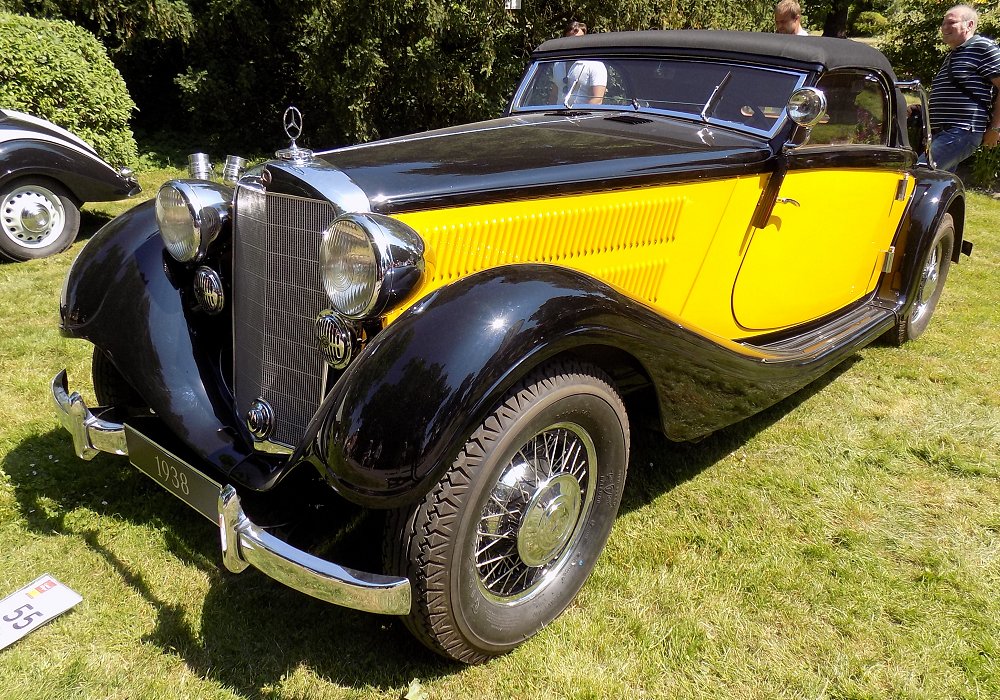
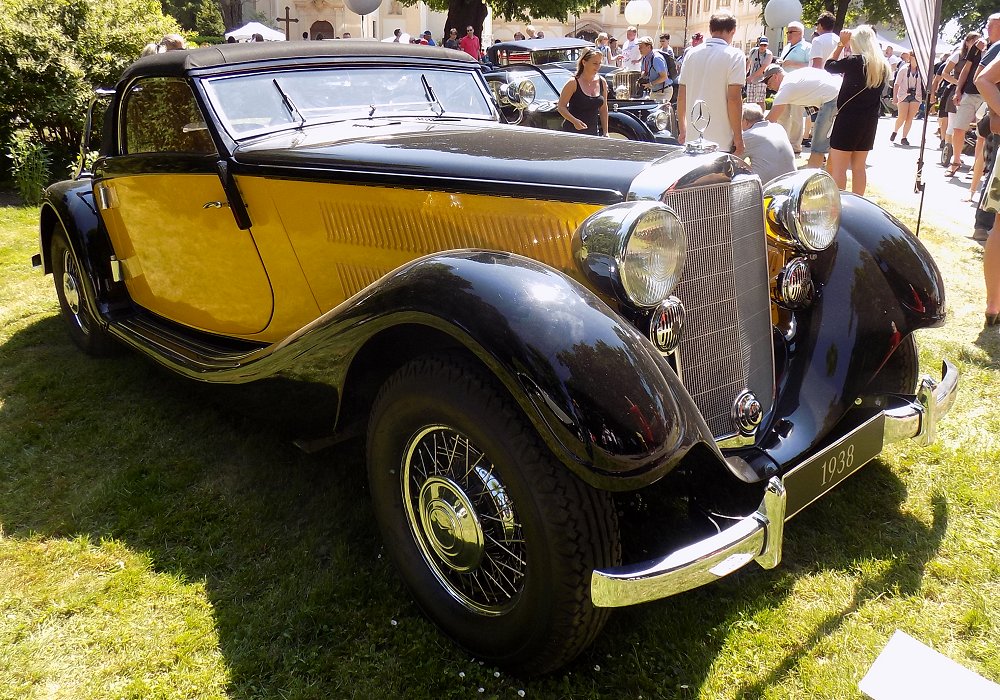
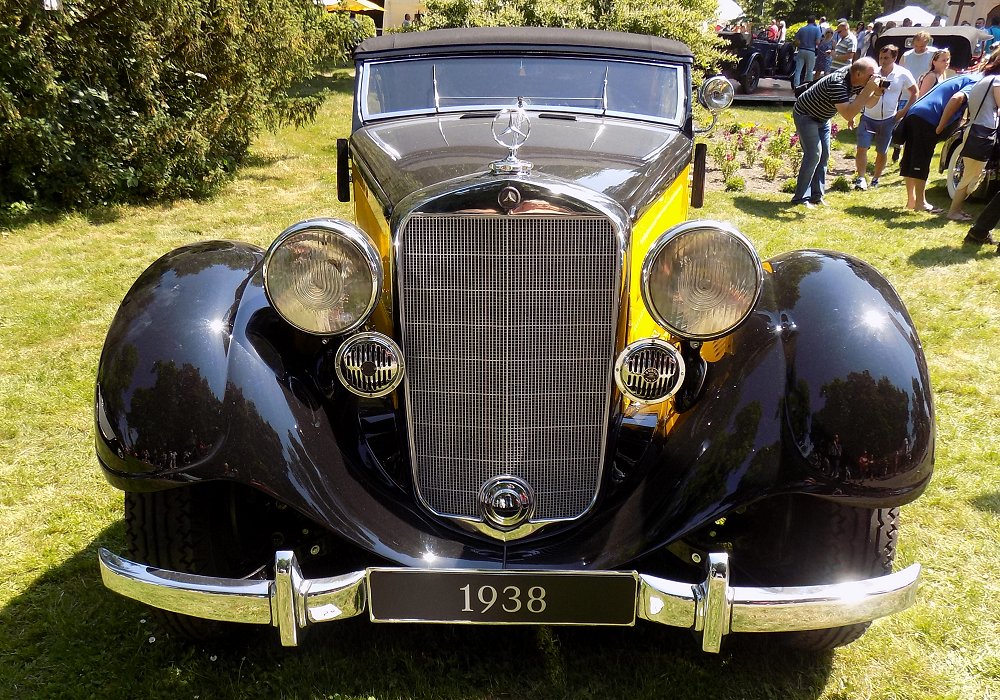
The Mercedes-Benz 320 Cabriolet A was the most refined and exclusive two-seat open-top model of the W142 series, introduced in 1937 as part of Mercedes-Benz’s newly modernised upper-mid-range. It combined elegant Sindelfingen craftsmanship with the smooth performance of Mercedes’ enlarged straight-six, resulting in a beautifully balanced personal luxury car. Designed for affluent private owners who wanted grace, prestige and intimate open-air motoring, the Cabriolet A stood at the top of the W142 body range.
Power came from the 3.2-litre inline-six engine, producing around 78 horsepower in its early form and later increased slightly with improved carburation. The engine was smooth, flexible and impressively quiet, capable of relaxed touring speeds with minimal effort. It delivered strong low-speed torque and excellent refinement, characteristics that defined the entire series. The four-speed manual gearbox offered clean synchromesh shifting on the upper gears, making the 320 Cabriolet A an easy and civilised car to drive on both city streets and open roads.
The Cabriolet A used the shorter wheelbase version of the W142 chassis, which emphasised agility and compact elegance over sheer interior space. The chassis consisted of a strong box-section frame, engineered to handle the weight and power of the 3.2-litre engine while supporting the open two-seat body. The suspension system was advanced for its time, with independent front wheels using coil springs and a swing-axle rear arrangement with coil springs as well. The ride was supple and controlled, and the car handled predictably at touring speeds. Hydraulic brakes on all four wheels delivered strong, confident stopping performance, marking a major improvement over earlier mechanical systems.
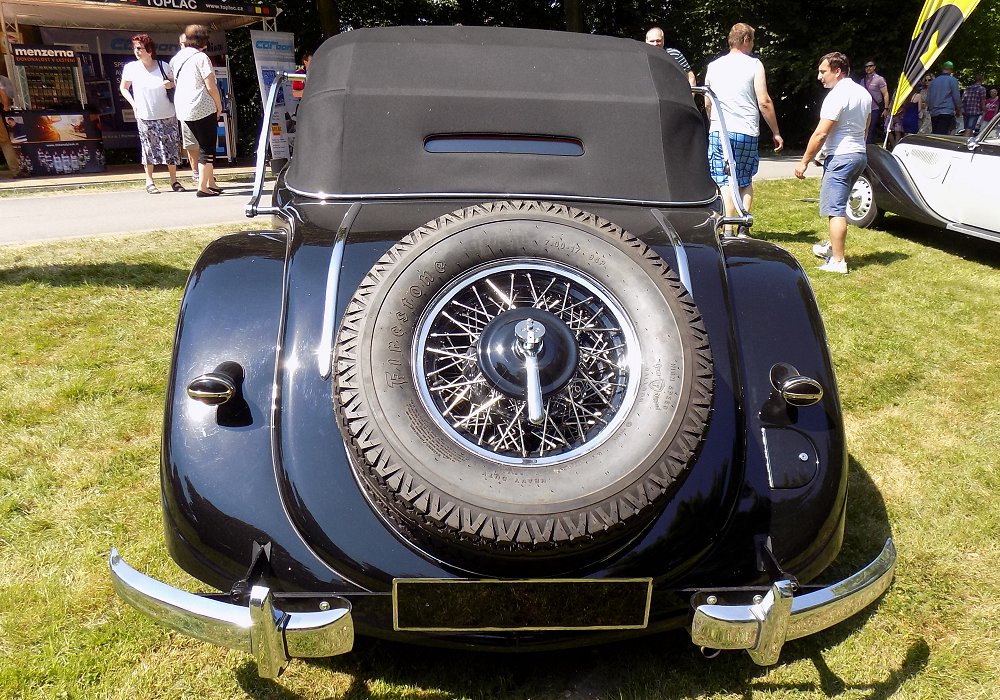
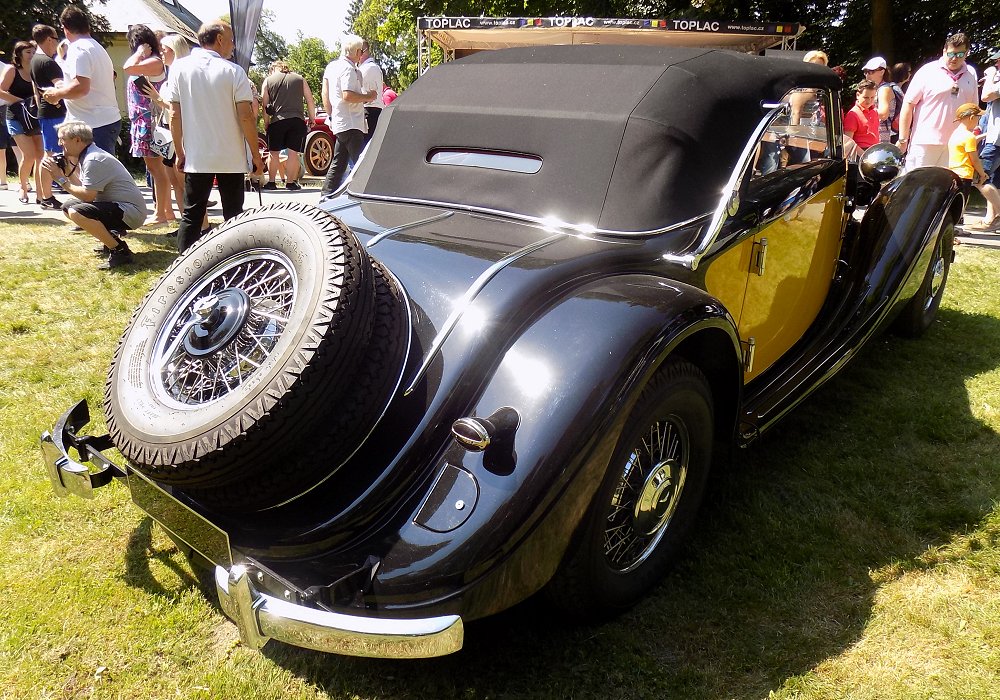
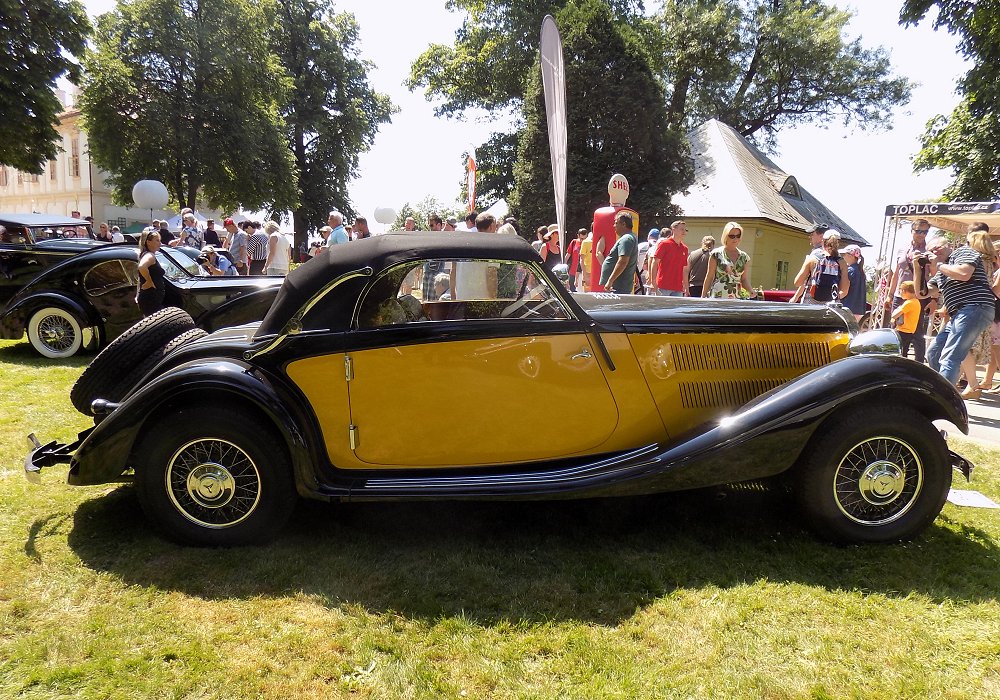
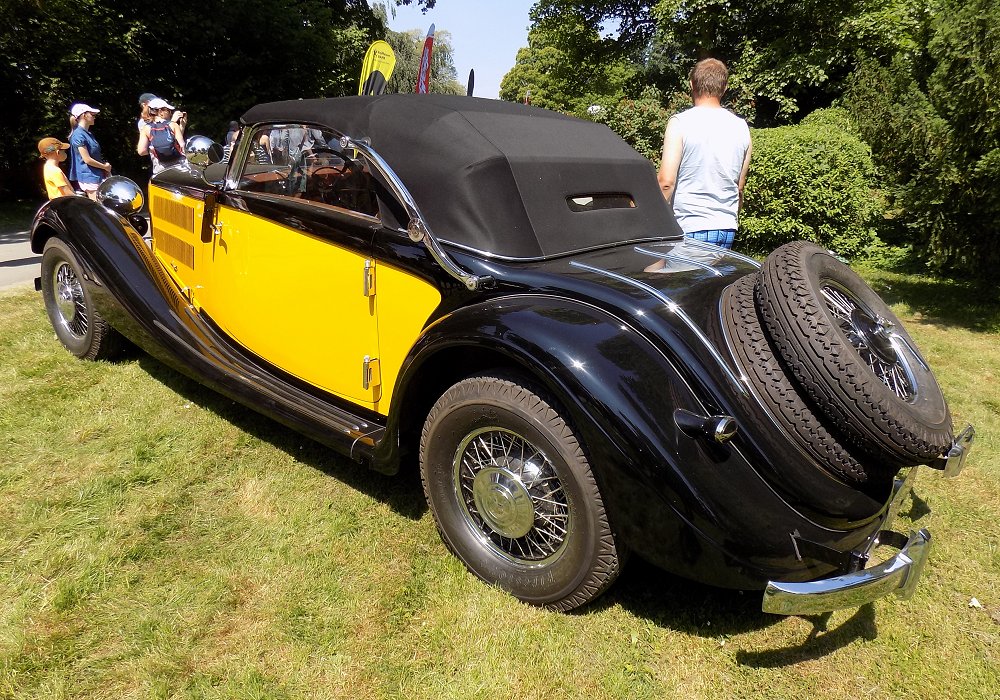
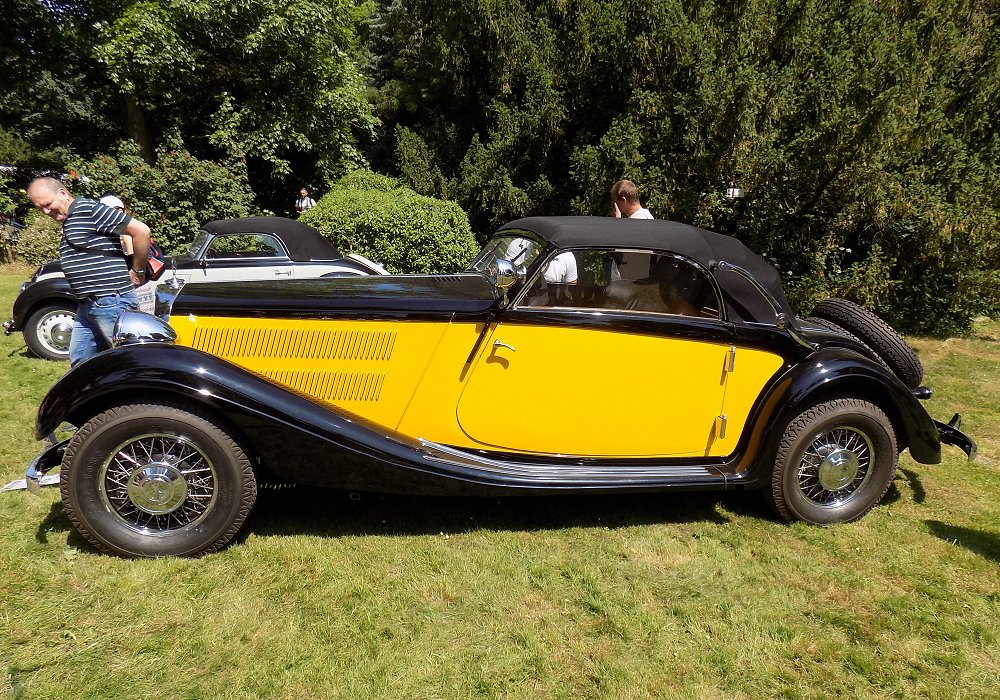
The body, hand-built by the Sindelfingen coachworks, represented one of the most elegant pre-war Mercedes designs. The Cabriolet A’s proportions were almost ideal: a long, flowing bonnet; deeply shaped front wings; low doors; and a gently sloping rear deck designed to accommodate the neatly folding roof. Its silhouette was low, clean and graceful, free of unnecessary ornamentation. The compact two-seat layout brought the driver and passenger close to the centre of the car, enhancing the purity of the design. With the roof raised, the car retained a dignified presence; with the roof lowered, it became an exceptionally handsome open tourer with perfectly balanced lines.
Inside, the 320 Cabriolet A offered the highest level of luxury available in the W142 series. The two seats were large, well-padded and upholstered in rich leather. The dashboard featured polished wood veneers or finely finished metal trim, depending on customer preference, and housed elegantly designed instruments with clear markings. Chrome accents, well-crafted switchgear and high-quality door furniture reflected the careful attention to detail found in all Sindelfingen products. While compact in overall dimensions, the interior felt welcoming, luxurious and acoustically refined—ideal for relaxed two-seat grand touring.
On the road, the Cabriolet A delivered the poised, quiet and effortless driving experience expected from a premium Mercedes-Benz of the late 1930s. The straight-six engine provided smooth, unhurried performance, and the independent suspension absorbed rough surfaces with ease. The car’s shorter wheelbase gave it a more responsive, lively feel than the larger W142 saloons or the more formal four-seat cabriolets. It excelled at open-road cruising but also felt manageable and precise in slower, more intimate surroundings. With the top down, the Cabriolet A offered one of the most pleasurable open-air touring experiences of its era.
The 320 Cabriolet A was produced in limited numbers, as it was aimed at a select clientele seeking personal elegance rather than practicality. It sat above the Cabriolet B in exclusivity and below only the ultra-rare special-order bodies in the W142 programme. Its combination of exclusivity, craftsmanship and mechanical refinement made it one of the most desirable pre-war Mercedes-Benz models during its production period.
Today, the Mercedes-Benz 320 Cabriolet A is considered one of the most beautiful and collectible pre-war Mercedes cabriolets. Surviving examples are highly prized by enthusiasts for their graceful lines, smooth straight-six performance and the exceptional craftsmanship of the Sindelfingen body. It remains an enduring symbol of Mercedes-Benz’s mastery of luxury design and engineering on the eve of the Second World War, representing the heights of elegance achievable in a personal two-seat open car.