Description
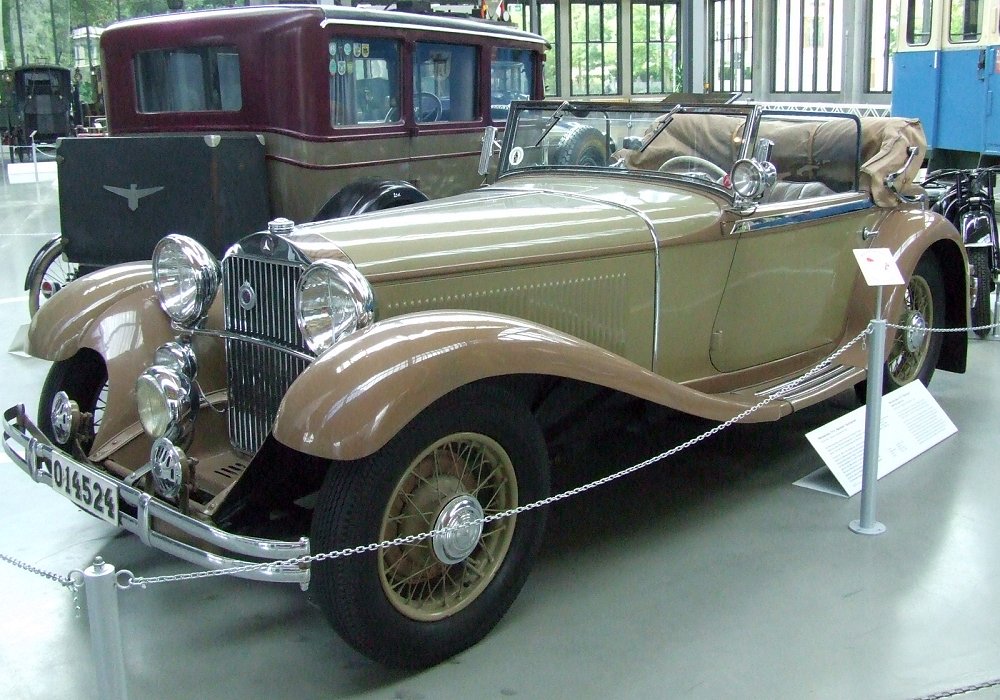
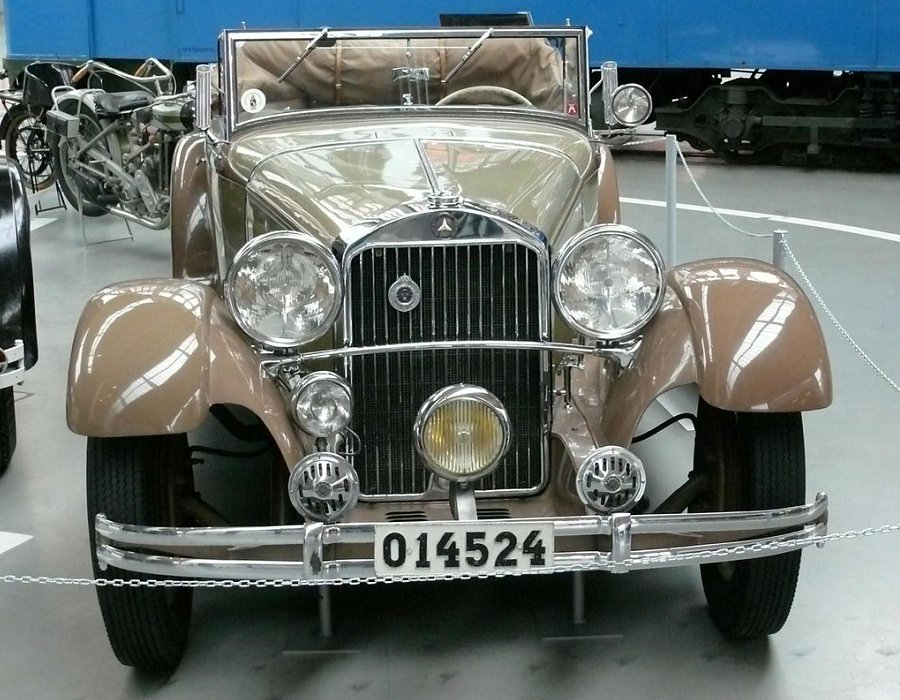
The Mercedes-Benz 370 S Mannheim was the more refined, more powerful and stylistically advanced evolution of the original 370 Mannheim, introduced in 1931 as part of Mercedes-Benz’s effort to modernise its upper-middle-class six-cylinder offerings. The “S” designation stood for “Sport,” but in pre-war Mercedes usage this referred not to a sports car in the modern sense, but to a more capable, livelier and more elegantly executed version of an existing model. The 370 S Mannheim embodied these ideals, offering improved performance, a lower and more streamlined appearance and a more sophisticated driving character. It represented an important step toward the sleeker designs and enhanced dynamics that would define Mercedes-Benz models throughout the 1930s.
The car was powered by the same 3.7-litre inline-six engine used in the standard 370 Mannheim, producing around 74 horsepower. In the 370 S, however, the engine’s tuning and gearing were optimised to provide more responsive acceleration and smoother high-speed touring. The straight-six delivered a broad, flexible torque band, allowing the large car to maintain steady cruising speeds without strain. The four-speed manual gearbox worked harmoniously with the engine’s characteristics, giving the driver more precise control and making the S variant more rewarding to drive on open roads. The mechanical refinement and smoothness of the powerplant were key selling points and contributed greatly to the car’s appeal among owners seeking discreet but capable performance.
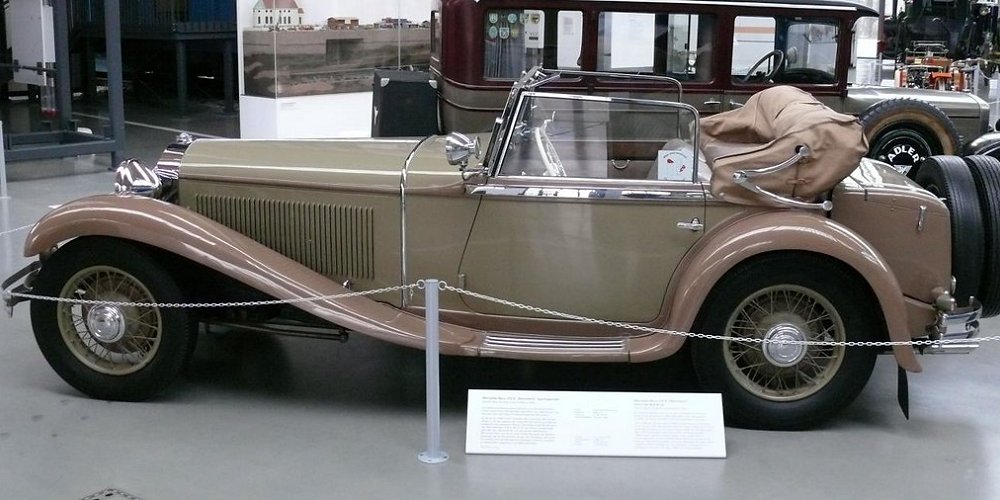
The most significant changes in the 370 S lay in its chassis and body design. Mercedes-Benz introduced a lower, more modern frame configuration for the S model, which allowed the entire body to sit closer to the ground. This change dramatically improved handling stability and gave the car a lower, sleeker stance. The ladder-frame structure remained robust, but the altered mounting points created a more favourable centre of gravity. Semi-elliptic leaf springs at both axles continued to provide reliable comfort and control, while large drum brakes on all four wheels ensured strong stopping power for a car of its size. The improved chassis geometry made the 370 S noticeably more agile than the standard 370 Mannheim, especially at higher speeds.
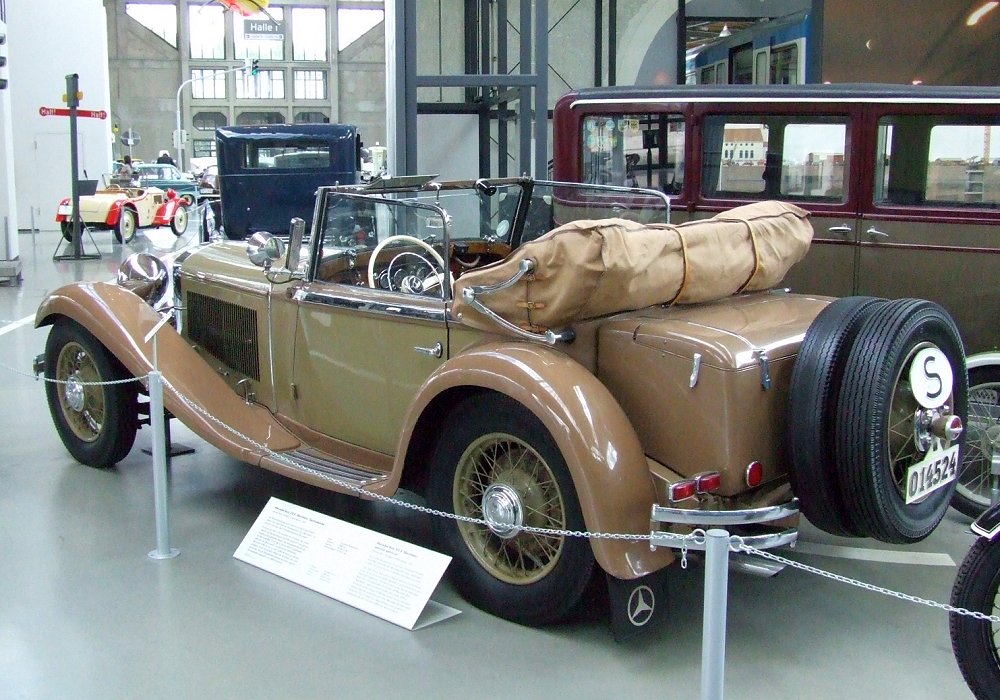
The bodywork for the 370 S Mannheim was crafted primarily by the Sindelfingen coachworks, which refined the car’s proportions to reflect contemporary trends toward streamlined design. Compared with the taller, more upright bodies of the earlier Mannheim, the S featured a lower roofline, a more steeply raked windscreen and smoother contours along the bonnet and wings. These styling updates gave the car a more modern and dynamic appearance. It could be ordered in several configurations, including cabriolets, elegant two-door tourers and formal four-door bodies. Regardless of type, the 370 S consistently displayed balanced proportions, flowing surfaces and refined detailing that announced it as a more prestigious and technically advanced model.
Inside, the 370 S Mannheim offered a cabin that blended comfort with understated luxury. Seats were upholstered in high-quality cloth or leather, and the lower body height allowed for a more enveloping, intimate seating position. The dashboard featured clear, well-arranged instruments, along with polished wood or painted metal trim depending on specification. Door panels and fittings reflected Mercedes-Benz’s dedication to craftsmanship, and the overall layout emphasised practicality, durability and long-distance comfort. The interior environment was quieter and better isolated than that of many contemporaries, making the S particularly well suited to touring.
On the road, the 370 S delivered a more dynamic and satisfying experience than the standard Mannheim models. The improved chassis gave the car smoother cornering behaviour and greater high-speed stability, while the engine’s broad torque curve allowed it to accelerate with greater ease. Drivers appreciated the sense of control and refinement that the S provided, along with the comfort that made long-distance travel both pleasant and effortless. It was not a sports car in the competitive sense, but it offered a more spirited driving character that appealed to owners who wanted something more engaging without sacrificing the dignity and practicality of a luxury touring car.
The 370 S Mannheim occupied an important position in Mercedes-Benz’s early-1930s lineup. It demonstrated the company’s growing emphasis on aerodynamic design, lower body architecture and improved dynamics—principles that would soon culminate in the highly advanced 380, 500 K and 540 K series. The 370 S thus acted as a stylistic and engineering bridge between the upright formal cars of the 1920s and the streamlined luxury vehicles of the later 1930s.
Today, the Mercedes-Benz 370 S Mannheim is recognised as one of the more historically significant and aesthetically appealing pre-war six-cylinder Mercedes models. Its elegant proportions, improved road manners and relative rarity make it a sought-after collector’s car. Surviving examples showcase the transitional design and engineering philosophy that carried Mercedes-Benz into a new era of luxury motoring, marking the 370 S Mannheim as a key milestone in the company’s pre-war development.