Description
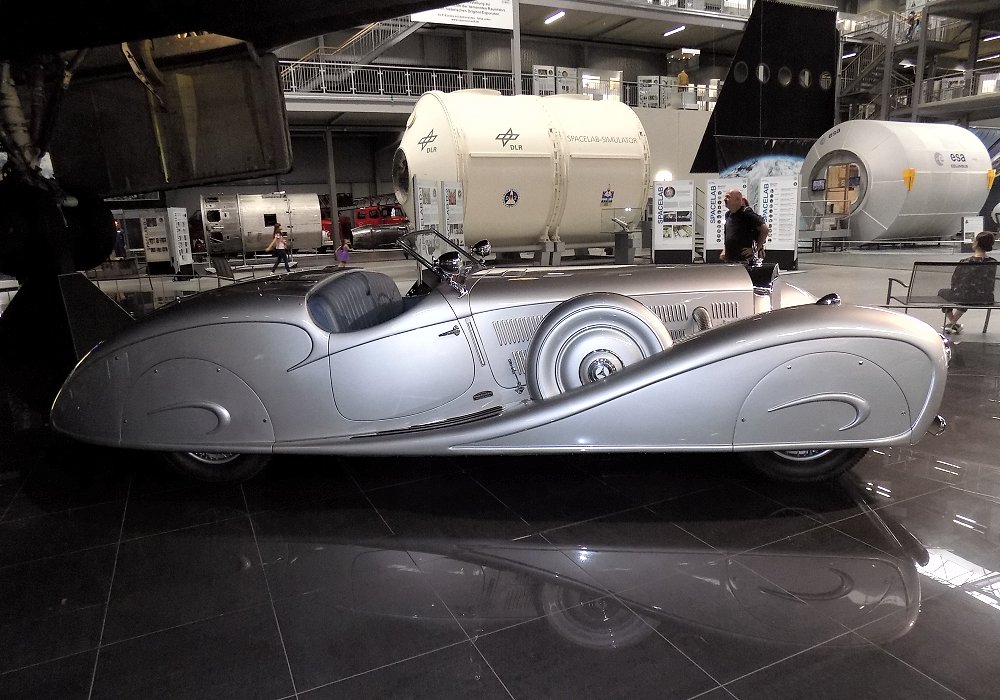
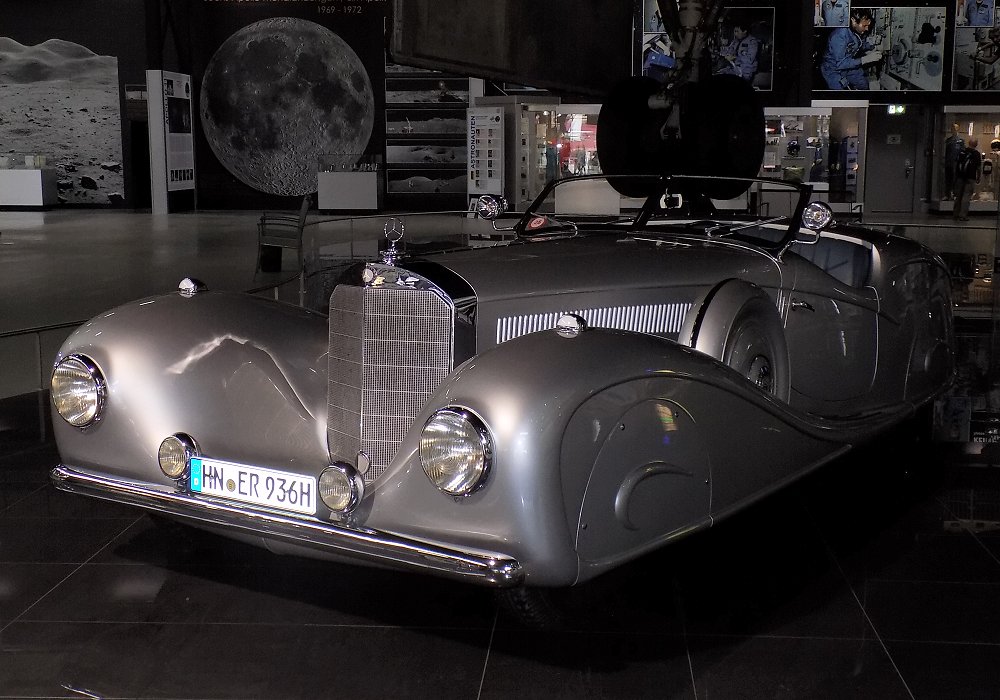
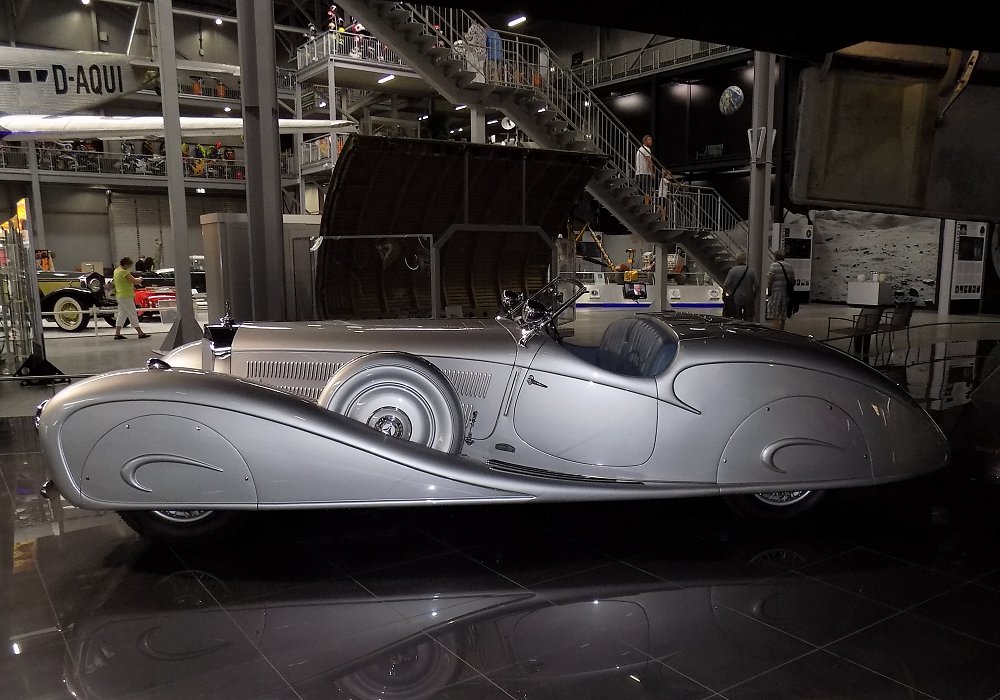
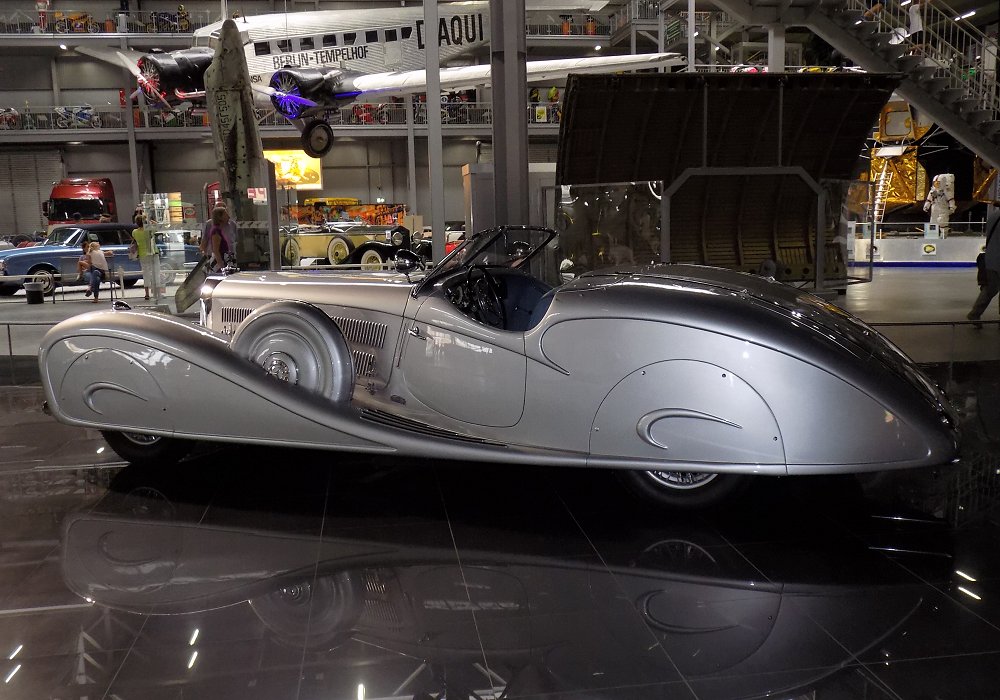
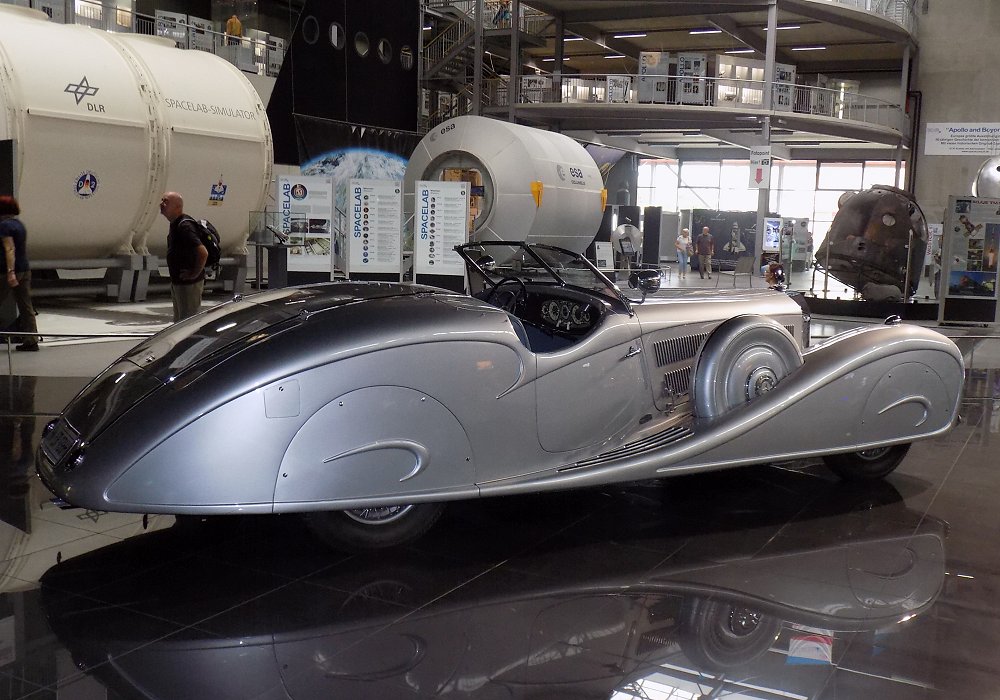
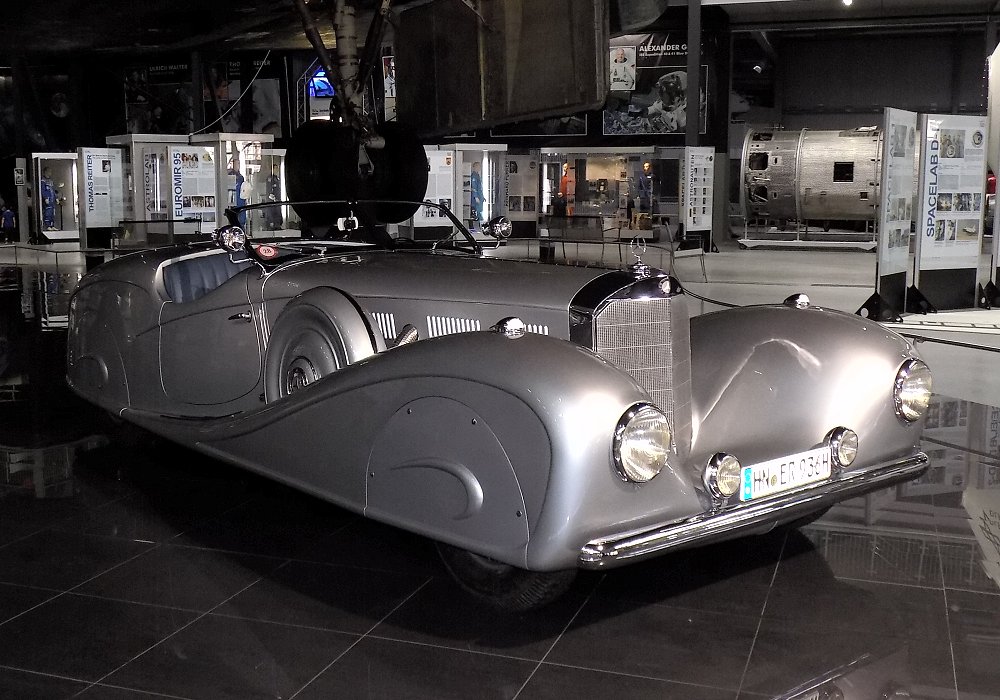
The Mercedes-Benz 500 K Erdmann & Rossi was one of the most dramatic and visually expressive interpretations of Mercedes-Benz’s supercharged prestige car, created during the mid-1930s when bespoke coachbuilding represented the height of automotive luxury. Built on the formidable 500 K Kompressor chassis and clothed by the renowned Berlin-based coachbuilder Erdmann & Rossi, this version combined immense mechanical authority with avant-garde styling and sculptural elegance. It stood as a bold alternative to both the factory Sindelfingen bodies and the more restrained British coachbuilt cars, appealing to clients who wanted presence, individuality and modern flair.
At its core, the car retained the formidable mechanical specification of the standard 500 K. Power was provided by the 5.0-litre inline-eight engine equipped with a Roots-type supercharger. Under gentle driving the engine ran without boost, delivering smooth and refined progress, but when the accelerator was fully depressed the supercharger engaged, raising output to approximately 160 horsepower. This gave the Erdmann & Rossi-bodied 500 K exceptional flexibility, allowing it to cruise quietly or surge forward with commanding acceleration when required. Power was transmitted through a four-speed manual gearbox, and the immense torque made the car feel effortlessly powerful regardless of speed.
The low-frame chassis of the 500 K formed the foundation of the car’s dynamic presence. By positioning the body deep between the axles, Mercedes-Benz achieved a lower centre of gravity, improved stability and a strikingly low stance. Semi-elliptic leaf springs at both front and rear were carefully tuned to balance comfort with control, while hydraulic brakes on all four wheels provided dependable stopping power. The combination of forced induction, a low-slung chassis and advanced braking placed the 500 K among the most technically advanced luxury cars of its era.
What truly distinguished this version was the Erdmann & Rossi coachwork. Known for their bold and modern designs, the firm favoured flowing lines, dramatic proportions and a sense of movement even when the car was stationary. Their bodies for the 500 K often featured long, sculpted bonnets, deeply integrated wings and a sweeping passenger compartment that flowed seamlessly into the rear. Compared with the factory bodies, Erdmann & Rossi designs were more expressive and architectural, sometimes incorporating unusual rooflines, distinctive rear treatments or unique window shapes. The result was a car that looked more futuristic and assertive, perfectly suited to the dramatic mechanical nature of the 500 K.
The interior matched the exterior’s sense of bespoke luxury. Erdmann & Rossi paid close attention to detail, tailoring each cabin to the customer’s tastes. Fine leather upholstery, rich wood veneers and carefully finished metal fittings created an environment of opulence and individuality. Seating arrangements varied depending on body style, but comfort and visual impact were always central themes. The dashboard retained Mercedes-Benz instrumentation but was often framed by custom trim and detailing, blending functional clarity with coachbuilt artistry.
On the road, the 500 K Erdmann & Rossi delivered a commanding and theatrical driving experience. In relaxed touring it behaved like a refined luxury car, smooth, quiet and composed. When the supercharger engaged, the car’s character changed dramatically, unleashing powerful acceleration that matched its bold appearance. The low chassis and wide track provided impressive stability at speed, making the car feel secure despite its size and weight. It excelled as a grand tourer for long-distance travel, where its blend of performance, comfort and presence could be fully appreciated.
Erdmann & Rossi-bodied 500 Ks were produced in extremely small numbers, each essentially a one-off creation. Their exclusivity, combined with the already limited production of the 500 K itself, makes them among the rarest and most valuable pre-war Mercedes-Benz automobiles. Many were commissioned by prominent industrialists, celebrities or aristocrats who wanted a car that projected both wealth and modernity.
Today, the Mercedes-Benz 500 K Erdmann & Rossi is regarded as one of the most striking and collectible expressions of pre-war coachbuilding. It represents the fusion of German supercharged engineering with daring, forward-looking design, capturing the spirit of an era when luxury cars were as much works of art as machines. Surviving examples are treasured not only for their rarity and performance but also for their sculptural beauty and historical significance within the golden age of bespoke automobile design.