Description
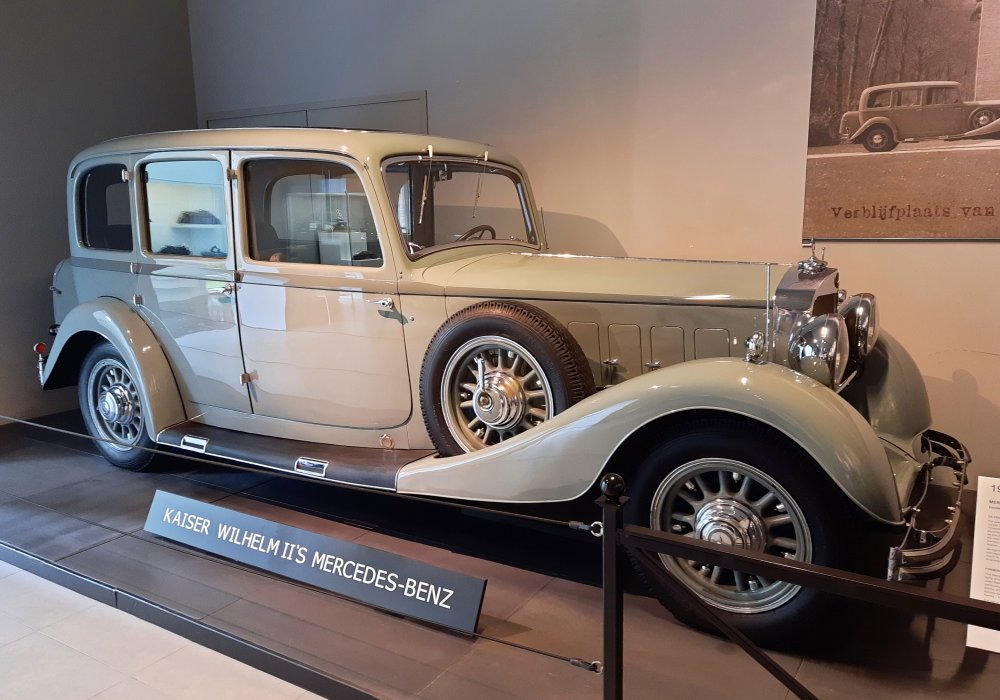
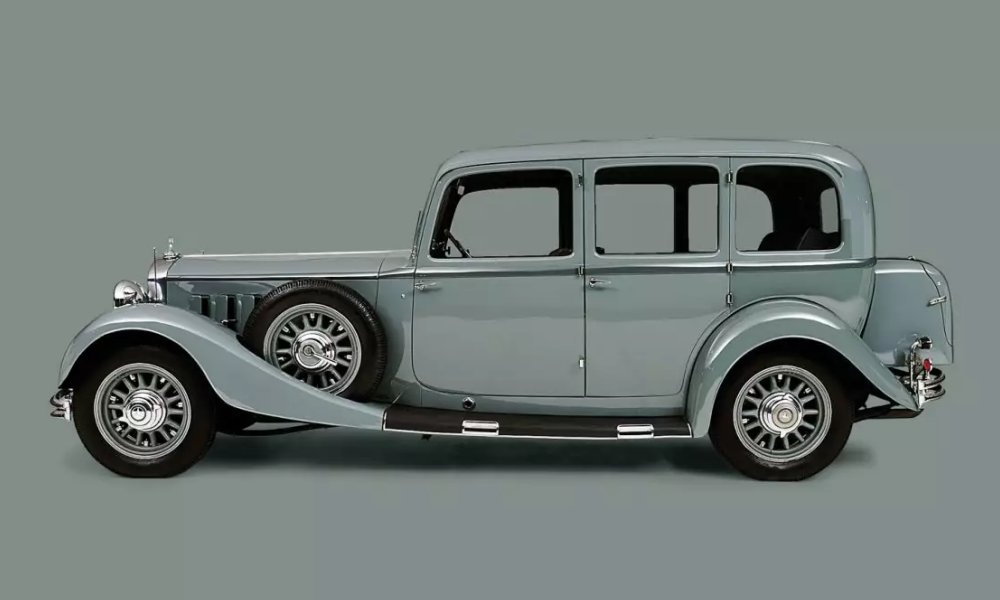
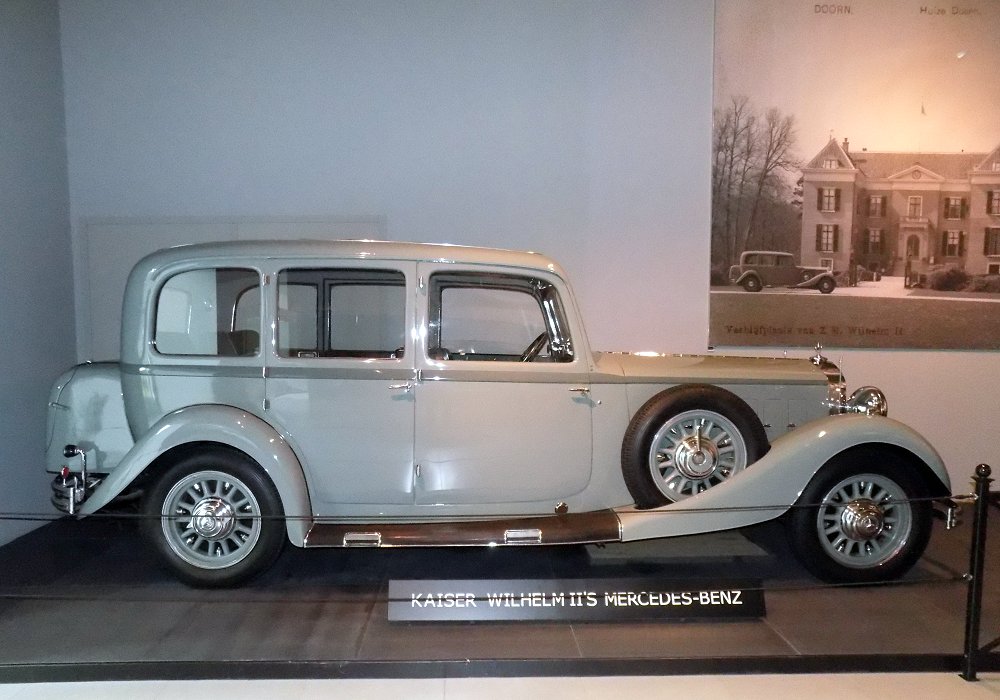
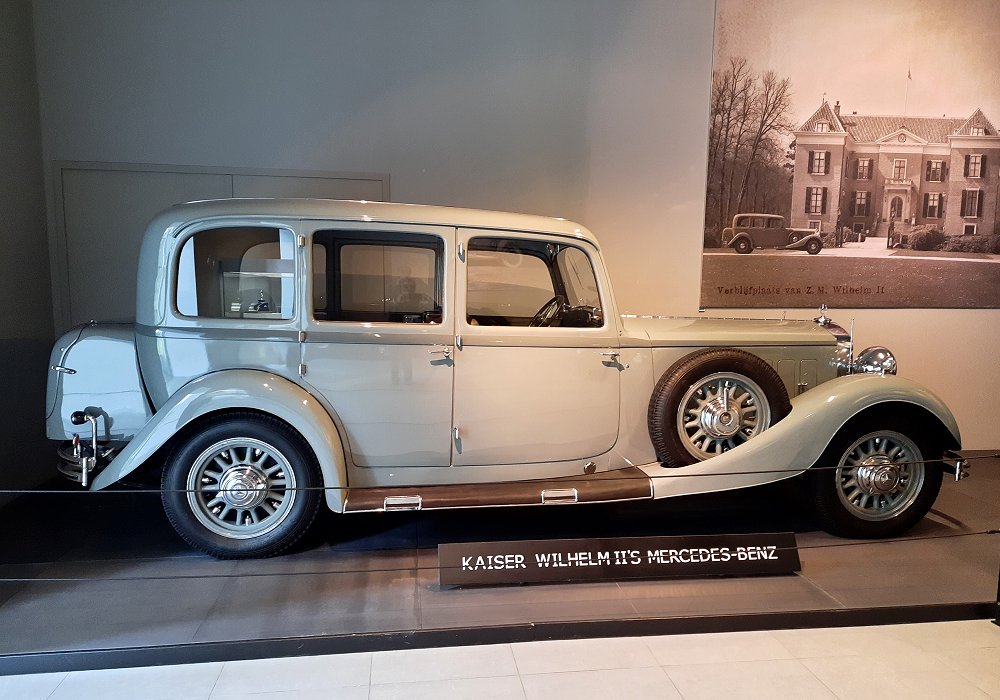
The Mercedes-Benz 500 Nürburg Limousine associated with Wilhelm II stands as one of the most historically notable examples of the Nürburg series, combining the already imposing presence of the 500 Nürburg with the particular aura that comes from its connection to Germany’s last Kaiser. Though Wilhelm II had abdicated in 1918 and lived in exile in the Netherlands throughout the period when the Nürburg was produced, he maintained a lifestyle marked by traditional formality, and the Mercedes 500 Nürburg Limousine suited his preferences for dignified transport, mechanical excellence and quiet prestige.
The 500 Nürburg itself was Mercedes-Benz’s leading eight-cylinder luxury model of the early 1930s. Its 4.9-litre straight-eight engine produced approximately 100 horsepower, offering smooth, refined and unhurried performance. The inherent balance of the eight-cylinder layout ensured near-vibrationless running, which was especially important in a formal limousine intended for distinguished passengers. The four-speed gearbox was engineered for quietness and dependable operation, and the car’s typical cruising capability of around 100–110 km/h made it entirely adequate for dignified long-distance travel.
The limousine body built on the Nürburg 500 chassis was one of Mercedes’ most formal and imposing designs. Crafted primarily by the Sindelfingen coachworks, it followed the traditional pre-war limousine layout: a tall upright radiator, long bonnet, wide running boards and an expansive rear cabin. The proportions conveyed authority and gravitas, making it ideal for ceremonial, official and high-status private use. In Wilhelm II’s case, the car served not as a state vehicle but as a personal conveyance during his years at Doorn, where he lived a quiet but still aristocratically structured life.
The interior was fitted to a standard appropriate for a former monarch. The rear compartment offered deep, comfortable seating upholstered in high-quality materials—usually wool broadcloth, which was preferred for its quiet, dignified character. Polished wood trim, thick carpeting and finely crafted metal fittings gave the cabin an air of formality and craftsmanship. The rear space was designed for comfort and discretion, with ample legroom and a calm, insulated atmosphere. Though Wilhelm II lived without the trappings of imperial power, his surroundings maintained a sense of measured elegance, and the Nürburg suited that aesthetic perfectly.
A glass division separated the chauffeur’s compartment from the rear cabin, underscoring the car’s formal nature. The driver’s area was more utilitarian, trimmed in durable leather and fitted with clear mechanical instrumentation. Chauffeurs valued the Nürburg for its reliability, its steady handling and Mercedes’ reputation for mechanical robustness. Steering at low speed required effort, but once underway the limousine moved with smooth confidence, its long wheelbase providing a stable and unflustered ride even on poor surfaces.
On the road, the 500 Nürburg Limousine behaved with quiet dignity. The straight-eight engine gave the car calm, consistent torque, and the chassis absorbed irregularities in a manner befitting a luxury automobile of its era. The mechanical drum brakes, large and effective by contemporary standards, ensured predictable stopping capability. The Nürburg was not designed for speed or dynamic agility—it was built to provide steady, dignified travel for passengers who valued comfort, refinement and a sense of ceremony in their movements.
The historical significance of the Wilhelm II Nürburg rests less in technical uniqueness than in its symbolic resonance. It represents the intersection of an engineering milestone—the first Mercedes eight-cylinder production line—and the twilight years of a former emperor adapting to life far removed from political power. The car’s presence at Doorn added to the continuity of Wilhelm’s formal lifestyle, reflecting both his personal tastes and the enduring prestige of the Mercedes-Benz marque.
Today, a Mercedes-Benz 500 Nürburg Limousine linked to Wilhelm II is regarded as an important historical artifact. Its value derives not only from its rarity and craftsmanship but from the cultural and historical context surrounding its use. For collectors and historians, it stands as a compelling reminder of the transitional years between empires and modern Europe, embodied in an imposing, meticulously made automobile that still carries the quiet authority it possessed nearly a century ago.