Description
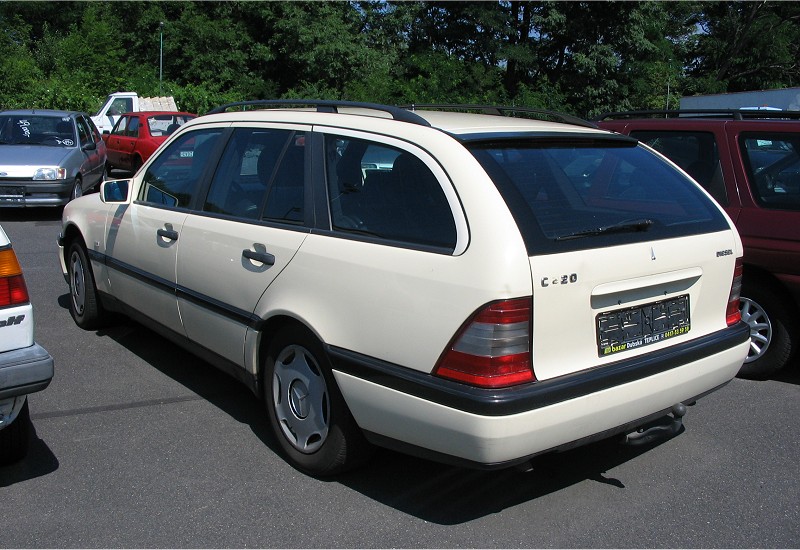
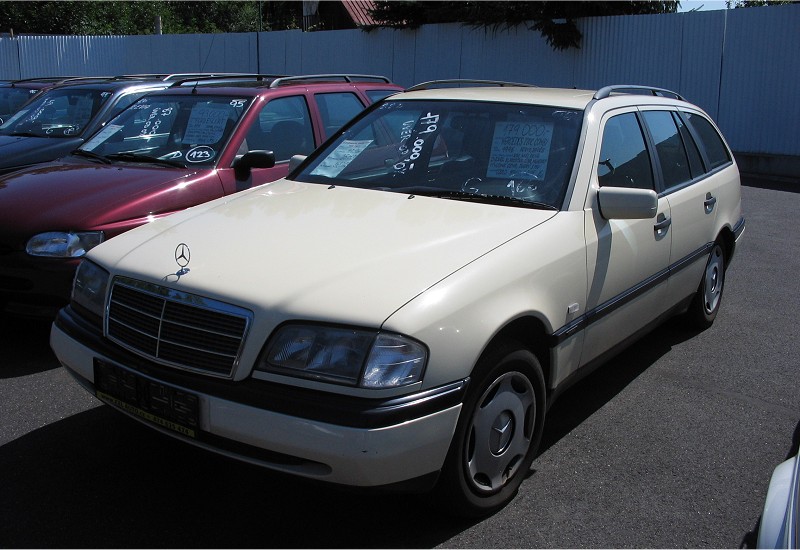
The Mercedes-Benz C 220 T Diesel was the estate version of the C-Class fitted with a four-cylinder diesel engine, combining Mercedes-Benz practicality with the brand’s long-standing reputation for durable, long-distance diesel motoring. Introduced across several C-Class generations, most notably the W202 and W203, the C 220 T was aimed at buyers who needed additional cargo capacity without moving up to the larger and more expensive E-Class estate.
Power came from a 2.2-litre four-cylinder diesel engine, evolving over time from indirect-injection units to the more advanced CDI common-rail engines. Early non-CDI versions focused primarily on economy and longevity, while later C 220 CDI T models delivered significantly improved performance, with power outputs ranging from roughly 125 horsepower in early common-rail form to around 143 and later 170 horsepower. More important than peak output was torque, which arrived low in the rev range and made the car well suited to carrying loads, towing and sustained motorway driving.
Transmission options typically included a five- or six-speed manual gearbox and, increasingly over time, automatic transmissions that emphasised smoothness and ease of use. Power was usually sent to the rear wheels, preserving traditional Mercedes-Benz balance and stability, although later generations also offered all-wheel drive in some markets. The diesel engine’s relaxed cruising nature made the automatic transmission a particularly popular choice among estate buyers.
The chassis and suspension of the C 220 T Diesel were tuned to balance comfort with load-carrying ability. Independent suspension at all four corners provided a compliant ride when unladen, while maintaining stability and control when the rear load area was full. Compared with the saloon, the estate featured a reinforced rear structure and self-levelling suspension was available on some versions, helping to maintain ride height and handling when carrying heavy cargo.
Styling followed the contemporary C-Class design language of its respective generation, with the estate body adding a longer roofline and extended rear section. The design was practical rather than overtly sporty, but still retained a clean and professional Mercedes-Benz appearance. Roof rails, a large tailgate and a low loading sill made the car particularly useful for families, tradespeople and long-distance travellers.
Inside, the C 220 T Diesel offered the same solid, ergonomically sound cabin as the saloon, with the added benefit of a versatile load area. Rear seats folded flat to create a long, usable cargo space, and interior materials were chosen for durability rather than show. Depending on specification, features such as climate control, cruise control and upgraded audio systems were available, reinforcing the car’s role as a comfortable long-distance companion.
In everyday use, the C 220 T Diesel earned a reputation for efficiency, reliability and practicality. Fuel consumption was significantly lower than equivalent petrol estates, and the strong diesel torque made the car feel confident even when fully loaded. These qualities made it especially popular with high-mileage drivers, company fleets and owners who needed a capable all-round vehicle rather than outright performance.
Over time, the C 220 T Diesel became one of the defining models of Mercedes-Benz’s compact estate range. It demonstrated that an estate car could combine executive comfort, strong efficiency and genuine practicality in a relatively compact footprint. As diesel technology advanced, later versions became quieter, cleaner and more refined, further broadening their appeal.
Today, the Mercedes-Benz C 220 T Diesel is regarded as a dependable and sensible classic modern Mercedes. Well-maintained examples are valued for their longevity, load-carrying ability and relaxed driving character. As a compact estate designed for real-world use, it represents Mercedes-Benz at its most pragmatic, blending engineering durability with everyday practicality in a form that remains relevant long after its introduction.