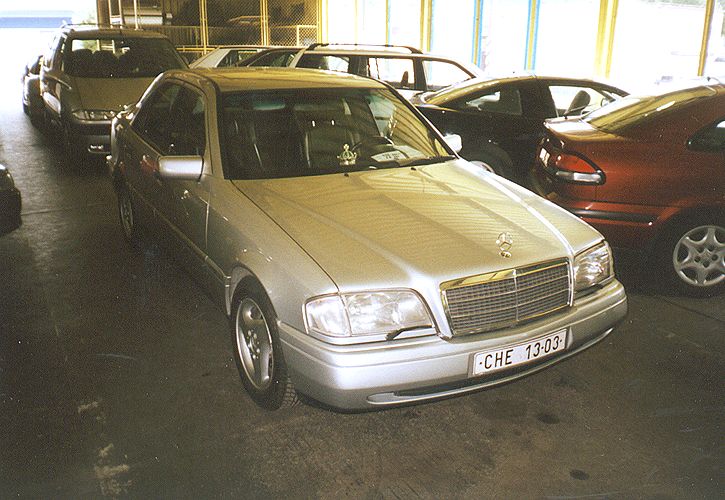
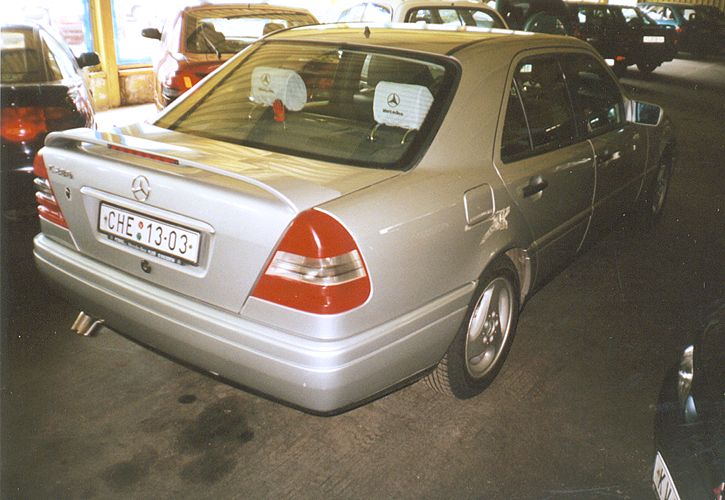
Description
The Mercedes-Benz C 280 was positioned as one of the more powerful and refined variants of the C-Class, offering six-cylinder smoothness within a compact executive package. Introduced across multiple generations of the C-Class, the C 280 consistently served as a bridge between everyday usability and near-luxury performance, appealing to buyers who wanted refinement and strength without stepping into larger E-Class territory.
In its earliest C-Class appearance during the W202 generation of the mid-1990s, the C 280 was powered by a 2.8-litre V6 petrol engine. This unit produced approximately 193 horsepower and delivered a notable increase in performance over the four-cylinder C-Class models. Power delivery was smooth and progressive, with strong mid-range torque that made the car well suited to motorway driving and overtaking. Buyers could choose between a five-speed manual gearbox or a four-speed automatic transmission, the latter being particularly popular due to its relaxed character.
The chassis of the C 280 followed Mercedes-Benz’s traditional emphasis on ride comfort and stability. Independent suspension at all four corners provided predictable handling, while the car’s relatively compact dimensions gave it agility in urban environments. Steering was precise but tuned more for confidence and smoothness than outright sportiness. Compared with later AMG-influenced models, the C 280 prioritised balance and composure over aggressive dynamics.
Styling of the C 280 varied by generation but remained conservative and restrained throughout its lifespan. In W202 form, the car featured clean lines, subtle chrome detailing and proportions that conveyed solidity rather than flair. Later versions, such as the W203 and W204, adopted more sculpted bodywork and modern lighting designs, but the overall visual identity remained unmistakably Mercedes-Benz, projecting understated executive appeal rather than performance theatrics.
Inside, the C 280 typically offered a higher level of standard equipment than lower-engined variants. Interiors were characterised by solid construction, durable materials and excellent ergonomics. Leather upholstery, wood or aluminium trim, automatic climate control and upgraded audio systems were common, depending on market and specification. Seating comfort was a strong point, particularly for long journeys, reinforcing the car’s role as a compact grand tourer rather than a sports saloon.
As the C-Class evolved, so did the C 280. In later generations, engine technology improved, with better efficiency, smoother operation and compliance with stricter emissions regulations. The model was eventually phased out in favour of newer engine designations and turbocharged alternatives, reflecting broader changes in Mercedes-Benz’s naming strategy and powertrain development.
In everyday use, the Mercedes-Benz C 280 earned a reputation for refinement, durability and understated performance. It was quicker and more relaxed than four-cylinder models, yet more discreet and comfort-oriented than full AMG variants. This made it particularly attractive to professionals and enthusiasts who valued engineering quality and smooth power delivery over outright performance figures.
Today, the Mercedes-Benz C 280 is often appreciated as a well-balanced and relatively understated member of the C-Class family. Surviving examples, particularly from the W202 and early W203 generations, are valued for their robust engines, solid build quality and classic Mercedes-Benz driving feel. As a six-cylinder C-Class that prioritised refinement and usability, the C 280 represents a period when Mercedes-Benz focused on naturally aspirated performance and long-term durability in its compact executive cars.