Description
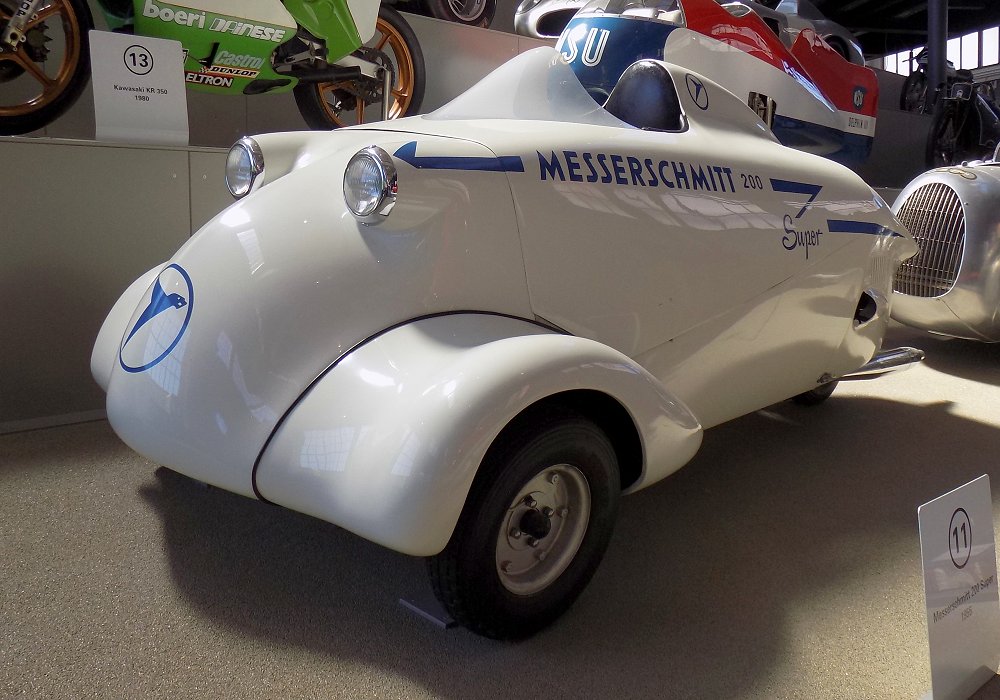
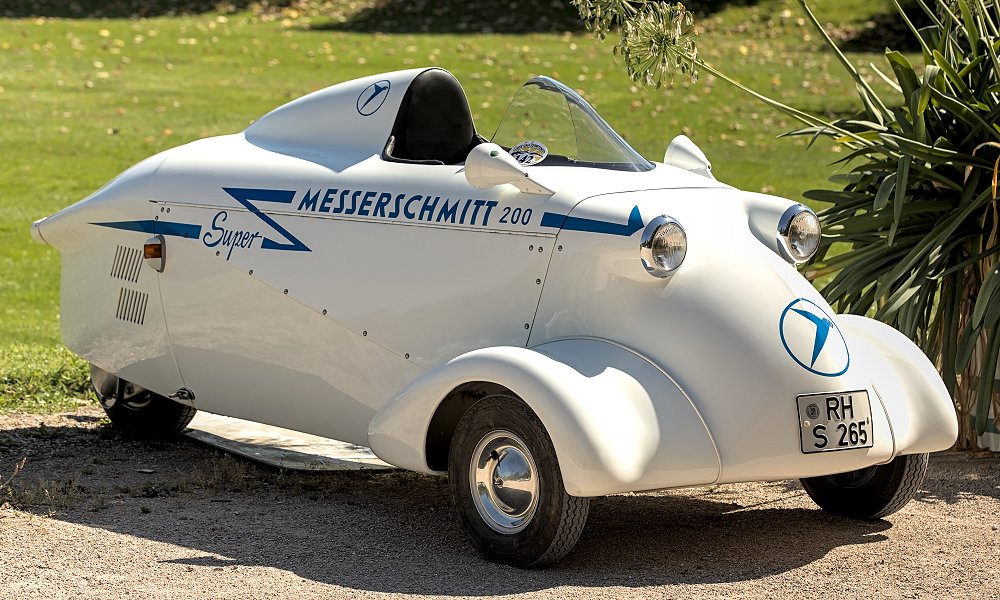
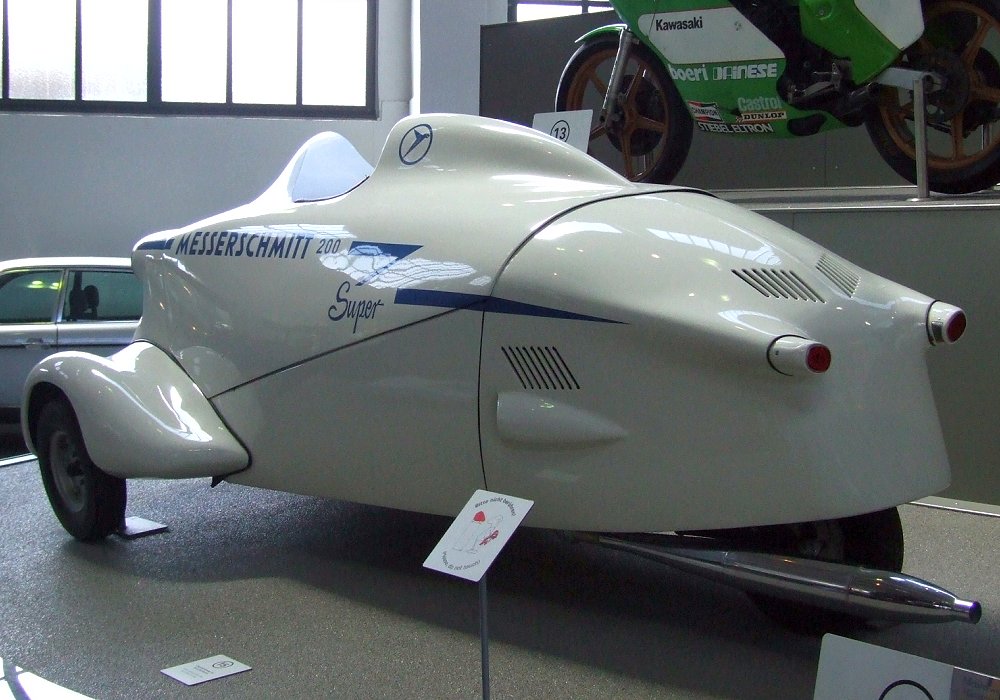
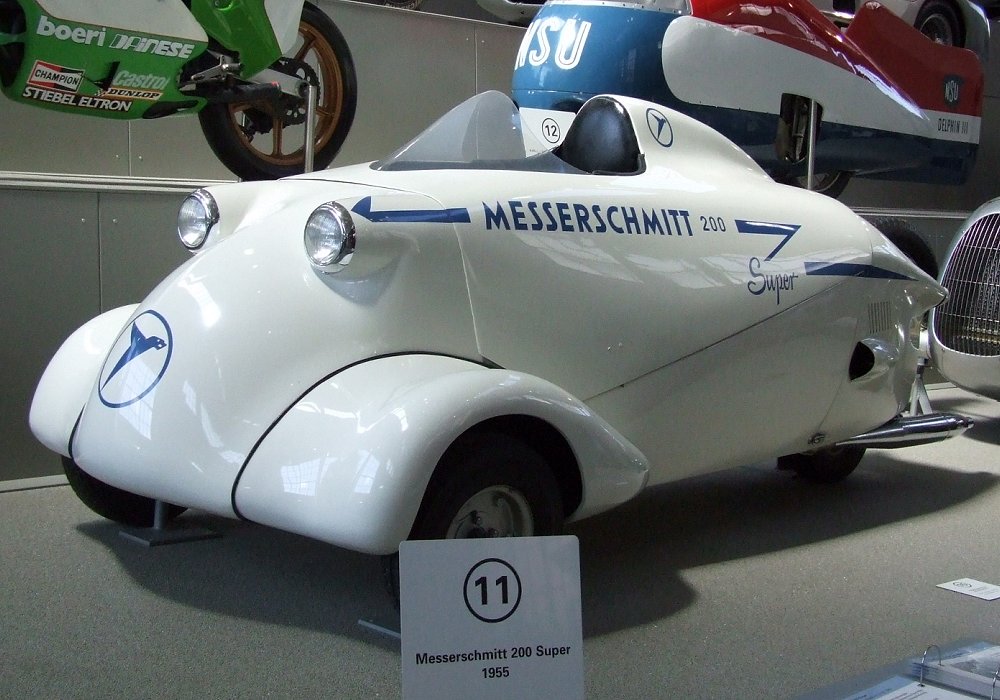
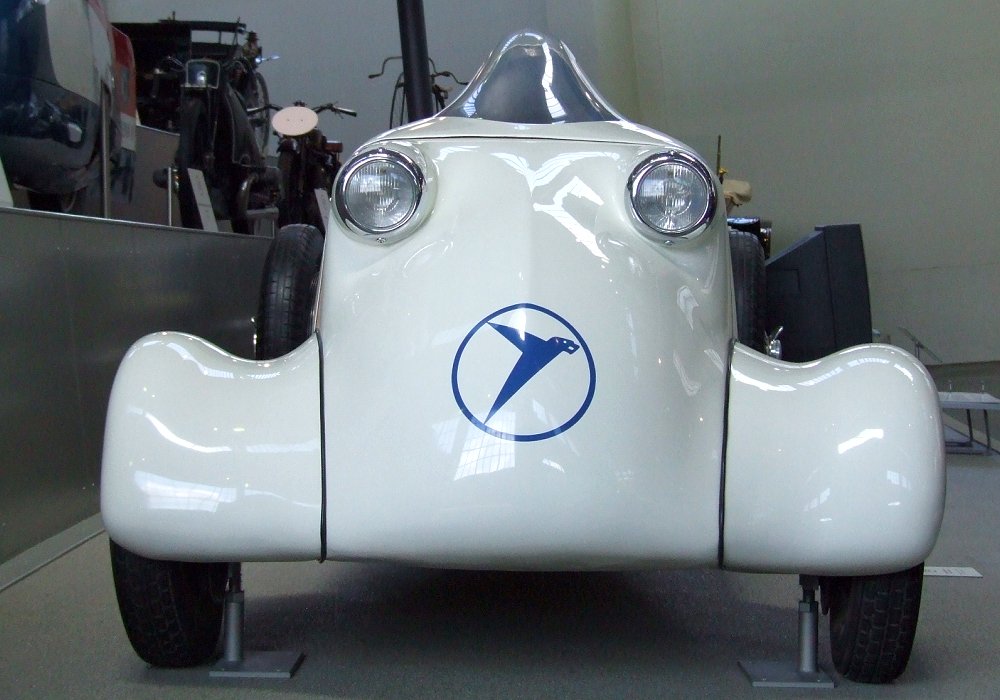
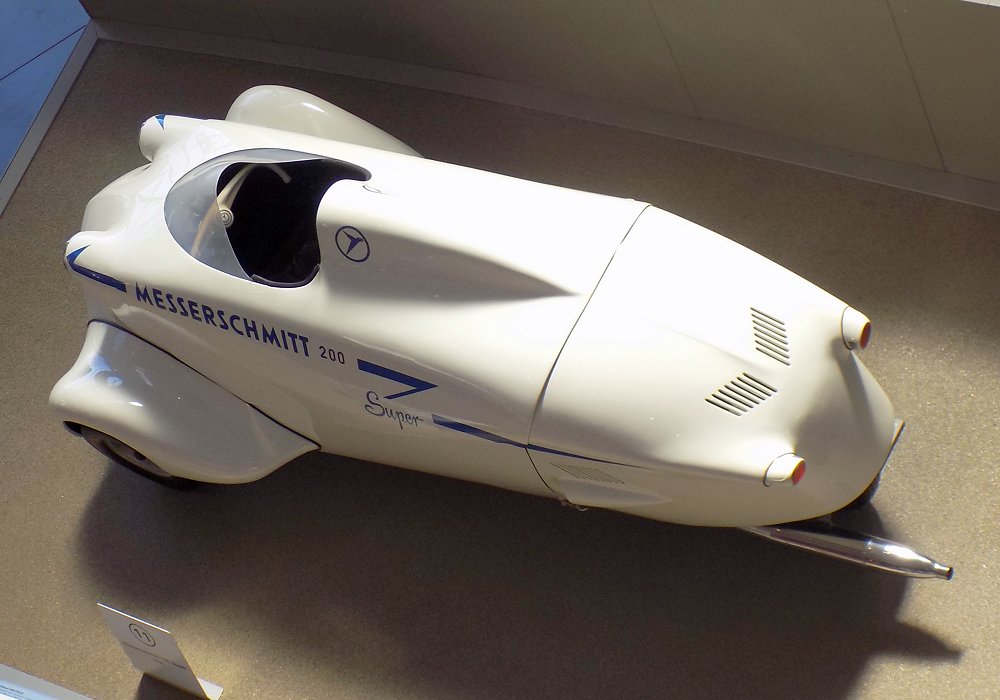
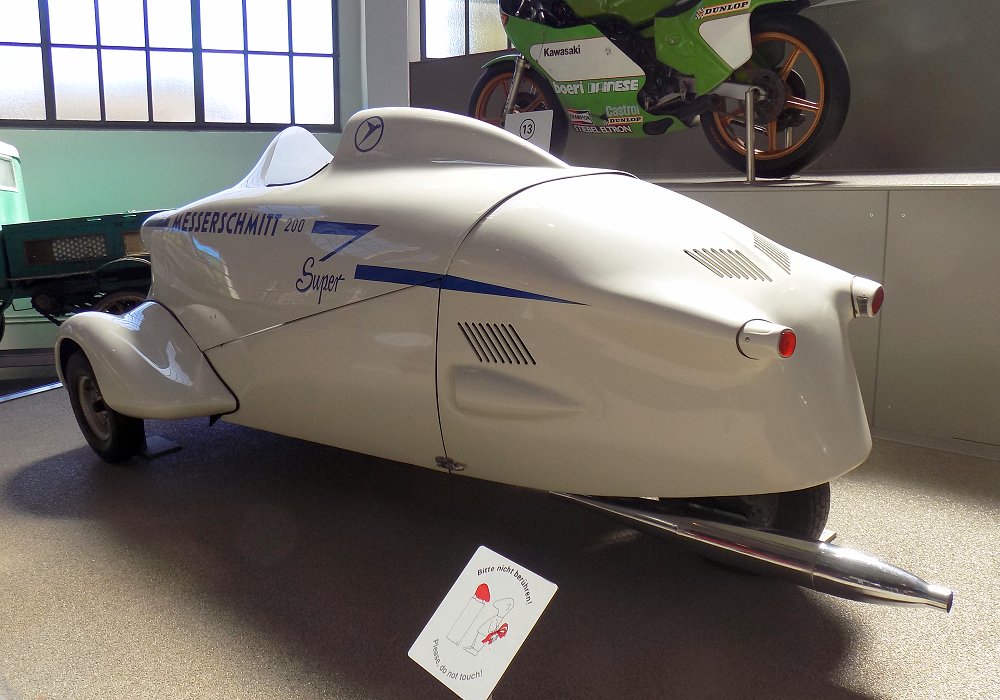
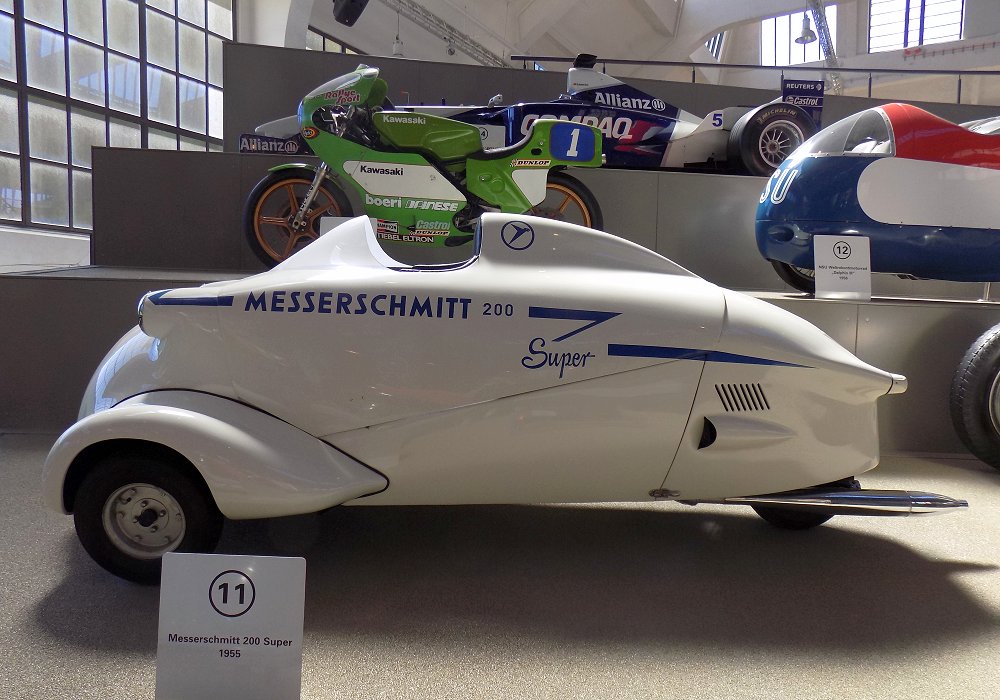
The Messerschmitt KR 200 Super was an enhanced version of the standard KR 200 Kabinenroller, introduced during the late 1950s as a higher-performance and better-equipped variant of the iconic German microcar. Built in West Germany during a period of rapid economic recovery, the KR 200 Super reflected continued development of the lightweight, aircraft-inspired concept that had defined the Kabinenroller line.
Visually, the KR 200 Super retained the distinctive narrow body and bubble canopy that opened to one side for entry. The tandem seating arrangement, with the passenger seated directly behind the driver, remained unchanged. This layout kept the car exceptionally slim and aerodynamic, contributing to its efficiency and unique character.
The key difference in the Super version lay in its mechanical specification. It used the same basic rear-mounted single-cylinder, two-stroke engine of approximately 191 cc as the standard KR 200, but it was tuned for improved performance. The engine produced slightly more power, allowing for higher top speeds and stronger acceleration within the limits of microcar engineering. A four-speed manual gearbox was fitted, and like other KR models, reverse was achieved by reversing the engine’s rotation.
The chassis consisted of a tubular steel frame with lightweight body panels, maintaining the emphasis on minimal weight. The three-wheel configuration, with two wheels at the front and one at the rear, was retained. Suspension and braking components were often slightly upgraded in the Super specification to cope with the increased performance.
Inside, the KR 200 Super typically featured minor trim improvements and additional instrumentation compared with base models. The cockpit remained compact and functional, with simple controls and a minimal dashboard layout. Despite its modest size, the design provided effective weather protection thanks to the enclosed canopy.
The KR 200 Super represented the peak of development for the three-wheeled Kabinenroller before the introduction of the four-wheeled Tiger TG 500. It offered buyers a livelier driving experience while preserving the economy and ingenuity that made the KR series popular.
Today, the Messerschmitt KR 200 Super is regarded as a desirable collector’s variant within the Kabinenroller family. Its combination of enhanced performance, lightweight design and unmistakable styling makes it an appealing example of post-war microcar innovation. As a historical vehicle, it illustrates how incremental engineering improvements could refine and extend the life of a unique and unconventional automotive concept.